By Our Correspondent
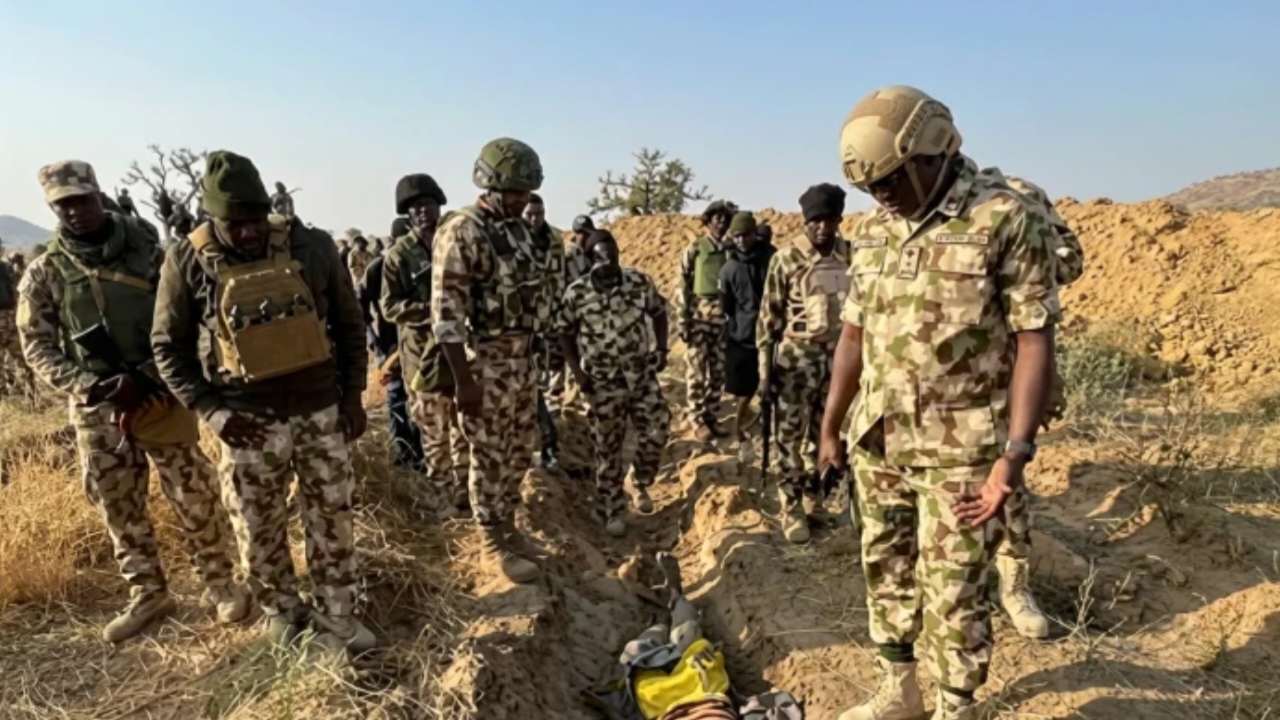
A new report by the Armed Conflict Location & Event Data Project has revealed a sharp rise in Islamist militant attacks across Nigeria and its neighboring countries, despite ongoing security assistance and military intervention from the United States.
According to the report, violent incidents linked to groups affiliated with al-Qaeda and the Islamic State in the Niger–Benin–Nigeria border corridor surged by 90 percent between 2024 and 2025.
Fatalities during the same period more than doubled to over 1,000 deaths, signaling an alarming deterioration in regional stability.
The findings underscore the expanding reach of jihadist factions in West Africa, where insurgencies that began in Nigeria’s northeast over a decade ago have spread westward into countries like Benin and Niger.
ACLED noted that militants have deepened their presence in Benin’s Alibori and Borgou regions, Niger’s Dosso, and Nigeria’s Sokoto, Kebbi, Niger, and Kwara states—marking a “continued spread, growing lethality, and rising risks to civilians.”
Growing Threat Despite International Backing
Nigeria has been battling Islamist insurgents such as Boko Haram and Islamic State West Africa Province for more than 15 years. Security analysts now warn that al-Qaeda and Islamic State-linked cells are expanding operations into the northwestern and central regions, taking advantage of forested areas and weak state control.
In December 2025, the United States reportedly carried out airstrikes in northwestern Nigeria and deployed training teams to assist Nigerian forces combating terrorism.
However, the ACLED report suggests that extremist groups have adapted swiftly to foreign interventions, enhancing coordination and communication among their cells.
Regional Instability Deepens
The jihadist landscape in the region has grown more complex, with factions such as Jama’at Nusrat al-Islam wal-Muslimin and Islamic State in the Sahel Province joining the mix. Porous borders, political instability, and recent military coups in Mali, Burkina Faso, and Niger have further undermined regional cooperation against insurgency.
Security experts say that the withdrawal of these countries from key West African defense blocs has crippled intelligence sharing and joint military operations, giving insurgents more room to operate.
Meanwhile, Nigeria’s armed forces remain overstretched as they confront multiple threats, including banditry, kidnappings, and communal conflicts.
Humanitarian agencies estimate that thousands of civilians have been displaced by renewed violence, many seeking refuge in camps or neighboring countries.
A Looming Regional Security Crisis
The ACLED report concludes that the intensifying violence and geographical expansion of Islamist militancy could spark a major regional security crisis—one that risks spilling beyond Nigeria’s borders even amid international intervention.