
By Rita Amaechi
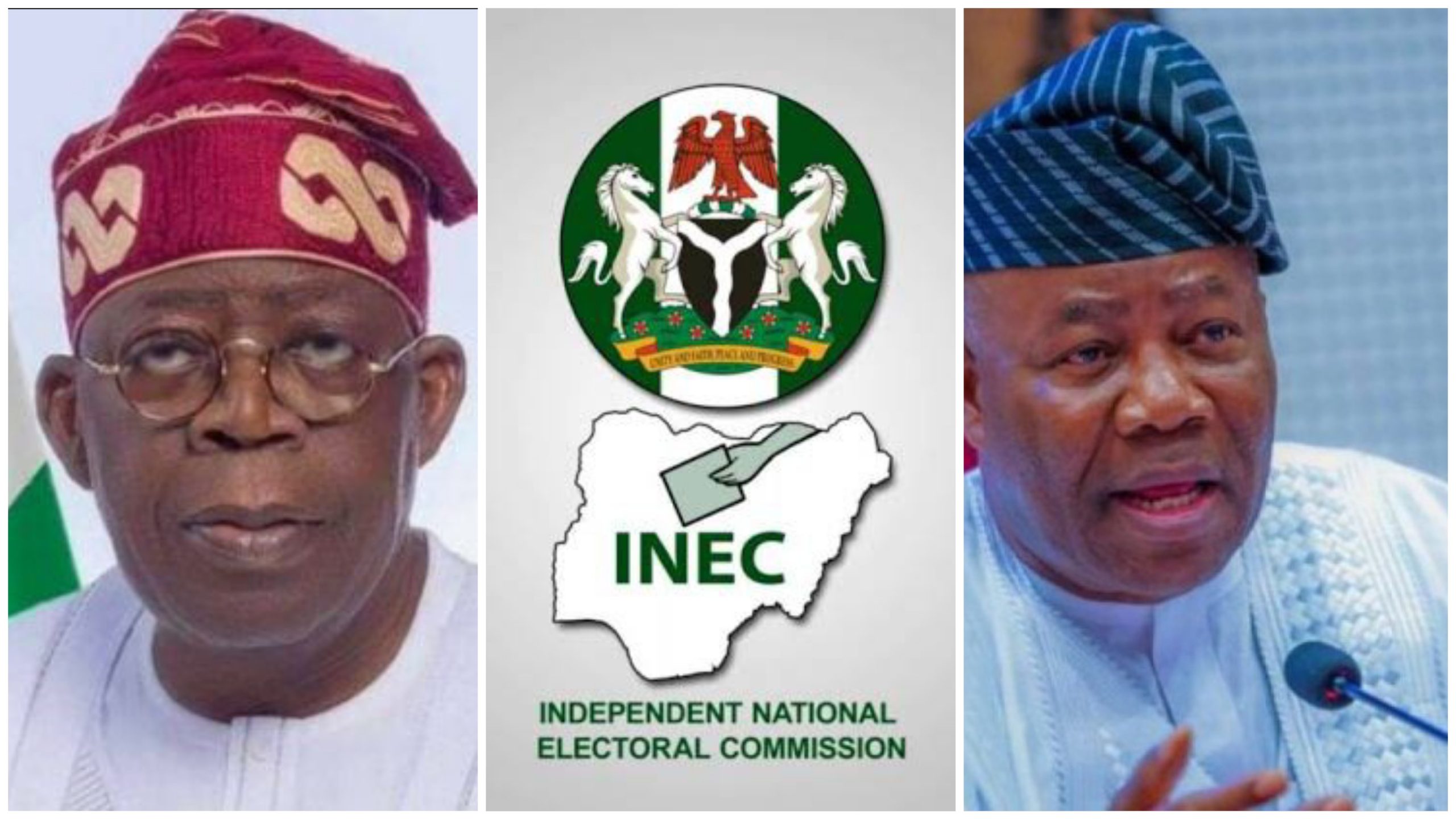
As the Nigerian Senate concluded debate and approved the Electoral Act Amendment Bill 2026, a single decision ignited fresh controversy across the nation: lawmakers opted not to mandate real-time electronic transmission of election results from polling units to the Independent National Electoral Commission’s (INEC) result viewing portal ahead of the 2027 general elections.
This choice — seen by some as procedural and by others as perilous — has drawn strong, sometimes opposing reactions from political actors, civil society, advocacy groups, and former national leaders.
Political Leaders Decry the Decision
Among the most vocal critics is Mr. Akin Osuntokun, former Director-General of the Labour Party’s presidential campaign.
In an interview, Osuntokun warned that the Senate’s rejection “does not portend good for the growth of democracy in Nigeria,” arguing that transparency and accountability are diminished without mandatory electronic transmission.
“It does not serve the purpose of democratic consolidation,” he said.
Similarly, the Peoples Democratic Party (PDP) criticised the Senate in a formal statement.
The party’s National Publicity Secretary, Ini Ememobong, said the rejection was “a clear indication that the National Assembly is not willing or ready to legislate for electoral sanctity and democratic consolidation,” asserting that most Nigerians desire electoral integrity guaranteed through electronic transmission of votes.
Civil Society and Regional Voices Respond
Beyond political parties, civil society organisations and advocacy coalitions also weighed in. The pan-Yoruba socio-political group Afenifere described the Senate’s decision as “self-serving” and a “betrayal of constitutionalism and multiparty democracy,” suggesting the move prioritised political incumbency over electoral credibility.
Public frustration has been palpable
Stakeholders and election monitors have openly warned that blocking mandatory electronic transmission could “further expose the electoral process to manipulation and diminish public confidence in election outcomes.”
Former National Figures Raise Concerns
The blowback has not been limited to party activists and civil society voices. Peter Obi, former Labour Party presidential candidate, issued a scathing statement condemning the Senate’s action as a “grave setback to Nigeria’s democracy” and a “deliberate assault on electoral credibility ahead of the 2027 general elections.”

What the Senate Actually Did (and Did Not Do)
According to official reporting, the Senate rejected an amendment that would have mandated real-time electronic transmission in Section 60 of the Electoral Act, instead keeping the version that allows transmission “in a manner as prescribed by the Commission” — a formulation critics say leaves room for manual collation.
Supporters within the legislature, including some opposition senators, have offered a different framing, asserting that the Senate did not remove electronic transmission from the legal text but retained existing provisions from the 2022 Act.
Nonetheless, the public perception remains divided.
A Democracy Divided
The deep divide over electronic transmission cuts to the heart of Nigeria’s democratic evolution.
Advocates argue technology can enhance transparency and trust by reducing opportunities for human interference during result collation.
Opponents caution that implementing such systems nationwide requires robust infrastructure — from stable power to reliable connectivity — that remains uneven across the country.
For many Nigerians following the unfolding debate, the Senate’s decision has crystallised long-standing anxieties about electoral fairness, institutional credibility, and the strength of democratic processes.
As the Electoral Act heads to a conference committee to harmonise the Senate and House versions, the question on many minds is whether this episode will catalyse deeper reforms — or deepen public scepticism ahead of the 2027 elections.