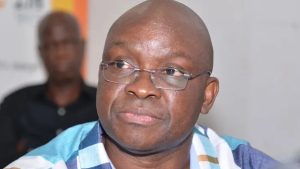
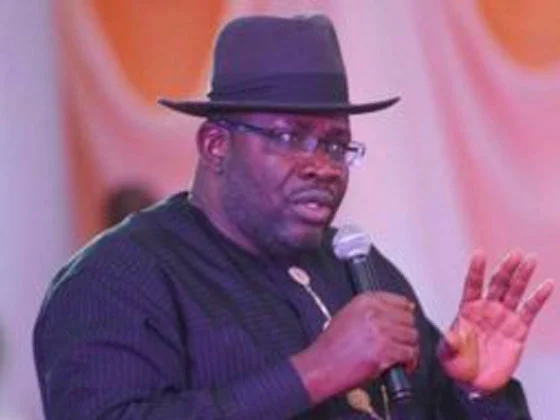
Bayelsa West Senator, Seriake Dickson, has urged members of the Senate–House of Representatives conference committee on the Electoral Amendment Bill to retain the House version of the electronic transmission clause in full.
Dickson warned that weakening the provision could undermine electoral integrity in Nigeria, stressing that electronic transmission of election results remains critical to credible polls.
Senate’s Amendment Raises Concerns
Speaking to journalists in Abuja on Wednesday, the former Bayelsa State governor expressed concern over the Senate’s decision to insert a proviso allowing manual collation of election results where electronic transmission fails.
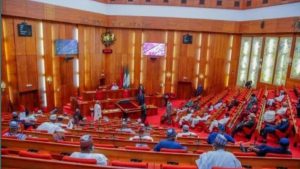
Although the Senate recently ratified electronic transmission of results to the Independent National Electoral Commission (INEC) Result Viewing Portal (IReV), it permitted manual results to serve as primary evidence in cases of technological failure.
According to Dickson, this exception could be abused.
“Even though the Senate version uses the word ‘shall’, the concern remains that the proviso could become the norm. Exceptions must not override the rule,” he said.
Two Years of Electoral Reform Work at Stake
Dickson, a member of the Senate Committee on Electoral Matters, revealed that lawmakers and stakeholders had spent nearly two years working on comprehensive electoral law reforms.
He said the process involved:
Joint sessions with the House of Representatives
Consultations with INEC officials
Engagements with technical committees and consultants
Public hearings in Abuja and Lagos
Input from civil society organisations
He noted that a consensus framework had already been agreed upon before the Senate’s alteration.
“The House of Representatives passed the harmonised document without alteration. But the Senate removed a crucial clause earlier agreed upon at the joint committee level,” Dickson stated.
Electronic Transmission Central to Free and Fair Elections
The senator emphasized that electronic transmission of election results is vital because election manipulation often occurs at collation centres rather than polling units.
“Once results are transmitted immediately after polling, it becomes difficult to alter them,” he said.
Dickson added that INEC had assured lawmakers of its technical capacity to transmit results electronically nationwide.
“If the law makes electronic transmission mandatory, then INEC must deploy the necessary technology across the country,” he stressed.
Call to Conference Committee: Adopt House Version
Dickson urged the expanded conference committee to adopt the House version of the bill in its entirety, describing it as a faithful reflection of the consensus reached with stakeholders.
The 12-member committee, chaired by Senator Simon Lalong, was expanded following public outcry over the Senate’s earlier decision to weaken the electronic transmission clause.
Other members include:
Orji Uzor Kalu
Tahir Monguno
Adamu Aliero
Abba Moro
Asuquo Ekpenyong
Aminu Iya Abbas
Tokunbo Abiru
Niyi Adegbonmire (SAN)
Jibrin Isah
Ipalibo Banigo
Onyekachi Nwebonyi
Senate President Godswill Akpabio confirmed that the harmonised bill would be transmitted to President Bola Tinubu for assent before the end of the month.
Dickson to Nigerians: Remain Vigilant
The former governor also called on Nigerians to remain vigilant and actively participate in elections.
“The fight for free, fair, and credible elections is ongoing. The price for liberty is eternal vigilance.”
He urged citizens to:
Vote during elections
Monitor result transmission at polling units
Demand strict compliance with electronic transmission laws
He further encouraged INEC to ensure its operational guidelines reinforce electronic transmission as the general rule.
Why This Matters
The debate over electronic transmission vs manual collation of election results has become one of the most contentious aspects of Nigeria’s Electoral Amendment Bill.
Civil society organisations and political stakeholders argue that any loophole allowing manual results could weaken transparency and open the door to electoral malpractice.
With public scrutiny intensifying, the outcome of the conference committee’s harmonisation process is expected to significantly shape Nigeria’s electoral future.