The Federal Government (FG) has set 2027–2028 as the target period to fully compile all viable assets into a comprehensive National Asset Register (NAR).
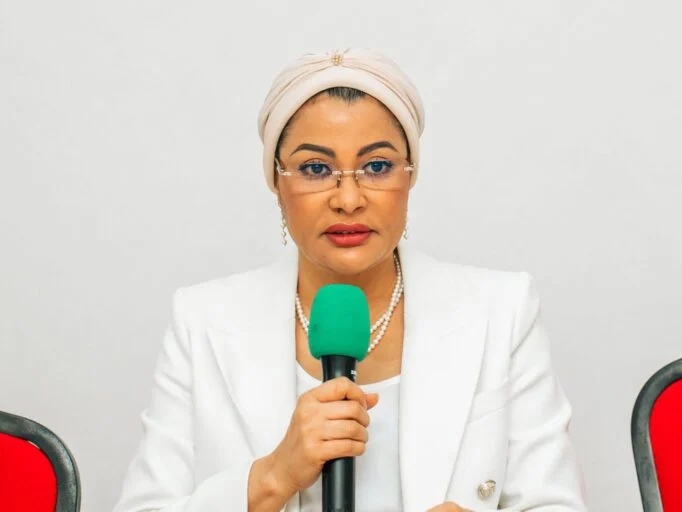
Minister of State for Finance, Doris Uzoka-Anite, disclosed this after the second National Economic Council Conference held at the State House Conference Centre, Abuja, between February 9 and 10. She said the project, aimed at documenting all government-owned assets nationwide, is currently about 50% complete.
“We are giving ourselves another one or two years to complete the asset registry,” Uzoka-Anite stated.
Tackling Decades of Asset Mismanagement
The initiative comes after decades of asset mismanagement, which has led to project duplication, abandoned infrastructure, and inflated government contracts. Research by Saturday PUNCH reveals that the administration of President Bola Tinubu approved at least N929.06 billion for road and bridge projects inherited from previous governments, many of which faced cost escalations and delays.
The push for a centralized government asset registry began under former President Muhammadu Buhari, but the NAR now falls under the Ministry of Finance (MOFI), with a goal to identify and unlock Nigeria’s total government asset value, currently estimated at N18 trillion in corporate shareholdings alone.
What the National Asset Register Will Cover
The NAR aims to capture all government assets, including:
Lands and buildings, including overseas properties
Roads, bridges, railways, airports, and other infrastructure
Oil, gas, and solid mineral assets
Power generation and distribution infrastructure
Intellectual property and government financial instruments
This registry excludes only corporate shareholdings currently tracked by MOFI.
Public-Private Partnerships to Boost Implementation
Uzoka-Anite highlighted that Nigeria’s abundant resources often fail to translate into development due to poor project implementation mechanisms.
“We are able to find the money and identify the projects. But one thing lacking is having the right partners to work with you,” she explained.
To address this, the FG is introducing a new public-private partnership (PPP) model, prioritizing technical partners who invest alongside the government, rather than merely operating concession-based projects. The government will create an enabling environment as its equity contribution, helping to de-risk private capital and attract investment.
“Nigeria has sufficient resources to fund its development if properly harnessed. With the right financing and implementation partners, we can unlock the full potential of this country,” the minister added.
Unlocking Nigeria’s Full Asset Value
The MOFI aims to grow FG assets to N100 trillion within ten years, leveraging the NAR to ensure transparent and effective utilization. By tracking and valuing assets—from land and infrastructure to intellectual property—the government plans to prevent wastage, reduce duplication, and maximize development outcomes across all sectors.