The Federal Government has released only N36 million out of the N218 billion allocated for capital projects in Nigeria’s 2025 health budget, sparking alarm across the healthcare sector.
The amount released represents approximately 0.015 per cent of the total capital allocation, a development stakeholders say threatens hospital upgrades, medical equipment procurement, and the expansion of primary healthcare services nationwide.
Health Sector Funding Crisis Deepens
The funding shortfall comes at a critical time for Nigeria’s health system, which is already grappling with:
Severe medical equipment shortages in public hospitals
Rising maternal and neonatal mortality rates
Growing health worker migration (brain drain)
Repeated nationwide health sector strikes
Increased out-of-pocket healthcare spending
Despite longstanding commitments under the African Union’s Abuja Declaration to allocate at least 15% of national budgets to health, Nigeria continues to fall short — more than two decades later.
Minister Blames Funding Release Gap
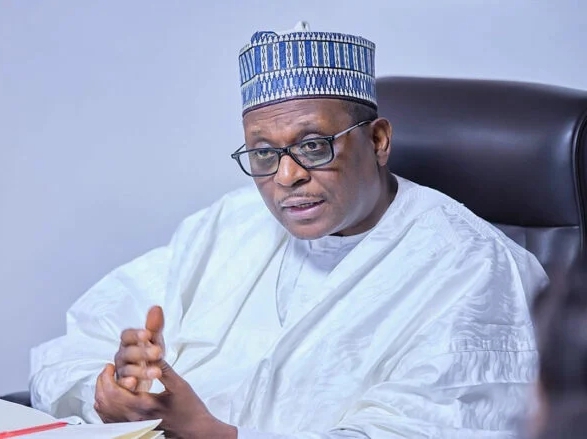
At the 2026 budget defence session before the House Committee on Healthcare Services, Minister of Health and Social Welfare, Prof. Ali Pate, attributed the poor implementation of the 2025 capital projects to the gap between budgetary allocation and actual fund release.
According to him, of the N218bn appropriated by parliament, only N36m has been disbursed so far — effectively stalling capital-intensive projects across federal health institutions.
Experts Warn of Rising Mortality and System Collapse
Healthcare experts say the near-total non-release of capital funds could worsen already troubling health indicators.
NMA: “Health Not a Government Priority”
The Lagos State Chairman of the Nigerian Medical Association, Dr. Babajide Saheed, described the development as disappointing and dangerous.
He warned that underfunding capital projects could lead to:
Deteriorating hospital infrastructure
Limited access to emergency care
Poor maternal healthcare services
Increased mortality rates
Reduced management capacity for chronic diseases
“If an important sector like health receives low capital funding, infrastructure suffers, emergency response weakens, and mortality inevitably rises,” he said.
Saheed urged the Federal Government to not only increase allocations but ensure the timely release of approved funds to prevent further setbacks in national health outcomes.
Pharmaceutical Society: “A National Embarrassment”
Dr. Olumide Obube, former Vice Chairman of the Pharmaceutical Society of Nigeria (Ogun State chapter), described the situation as a “profound national embarrassment.”
He noted that capital expenditure is critical for:
Hospital upgrades
Procurement of diagnostic and medical equipment
Expansion of laboratory services
Oxygen plant installations
Digital health system deployment
Strengthening tertiary healthcare institutions
“With only 0.02% of capital funds released, implementation is effectively nonexistent,” Obube stated.
Nigeria’s Worsening Health Indicators
Nigeria’s maternal mortality rate remains estimated at over 500 deaths per 100,000 live births, while neonatal mortality exceeds 35 deaths per 1,000 live births — indicators experts say reflect a fragile health system under immense pressure.
Poor infrastructure and limited equipment not only compromise patient care but also:
Lower health worker morale
Accelerate migration of skilled professionals
Reduce service quality nationwide
For a country of over 200 million people striving toward Universal Health Coverage (UHC), stakeholders argue that the release of N36m from a N218bn allocation signals deeper governance and fiscal challenges.
Call for Urgent Reform
Health professionals are urging the Federal Government to treat the funding crisis as a turning point rather than a recurring pattern.
They insist that:
Full release of approved capital budgets is essential
Health infrastructure must be prioritised
Sustainable financing reforms are urgently needed
“The health of Nigerians is not expendable — it is foundational to national development,” Obube concluded.