State governments have thrown their weight behind President Bola Tinubu’s Executive Order 9, a directive mandating the direct remittance of oil and gas revenues into Nigeria’s Federation Account.
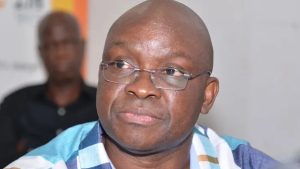
The Chairman of the Forum of State Commissioners of Finance, Akintunde Oyebode, said the order could add about ₦1.5 trillion annually to the Federation Account.
However, he stressed that the policy is less about increasing state allocations and more about enforcing constitutional compliance and blocking revenue leakages.
Executive Order 9 and Oil Revenue Reform
Signed in February 2026, Executive Order 9 requires that statutory oil and gas revenues be paid directly into the Federation Account before any deductions or agency retentions.
The move seeks to strengthen transparency in Nigeria’s oil revenue management and ensure strict adherence to constitutional provisions.
According to Oyebode, the projected ₦1.5tn increase represents a single-digit percentage impact on an account that reportedly receives over ₦30tn yearly. “It’s not about states getting more money,” he noted. “It’s about safeguarding federation revenues.”
Petroleum Industry Act and Revenue Leakages
Beyond EO9, concerns were raised about the revenue implications of the Petroleum Industry Act.
Oyebode pointed to a sharp drop in joint venture inflows—from about $12bn pre-PIA to roughly $2bn post-PIA—highlighting asset transfers and governance gaps as areas requiring scrutiny.
He also downplayed fears that the order could destabilise NNPC Limited, citing its reported ₦4.5tn profit in 2024 and revenues estimated at ₦45tn. The sums affected by EO9, he argued, are relatively small in comparison.
Investor Confidence and State Finances
While labour unions have expressed concern about potential investor uncertainty, the Presidency maintains EO9 is a constitutional enforcement measure. Oyebode advised stakeholders with legal objections to seek judicial interpretation.
On broader fiscal issues, he claimed many states have reduced domestic debt by 15–20 per cent in the past two years and are improving transparency through budget disclosures and accountability reforms.
As Nigeria debates oil revenue reform, Executive Order 9 has become central to discussions on fiscal discipline, transparency, and the long-term sustainability of public finances.