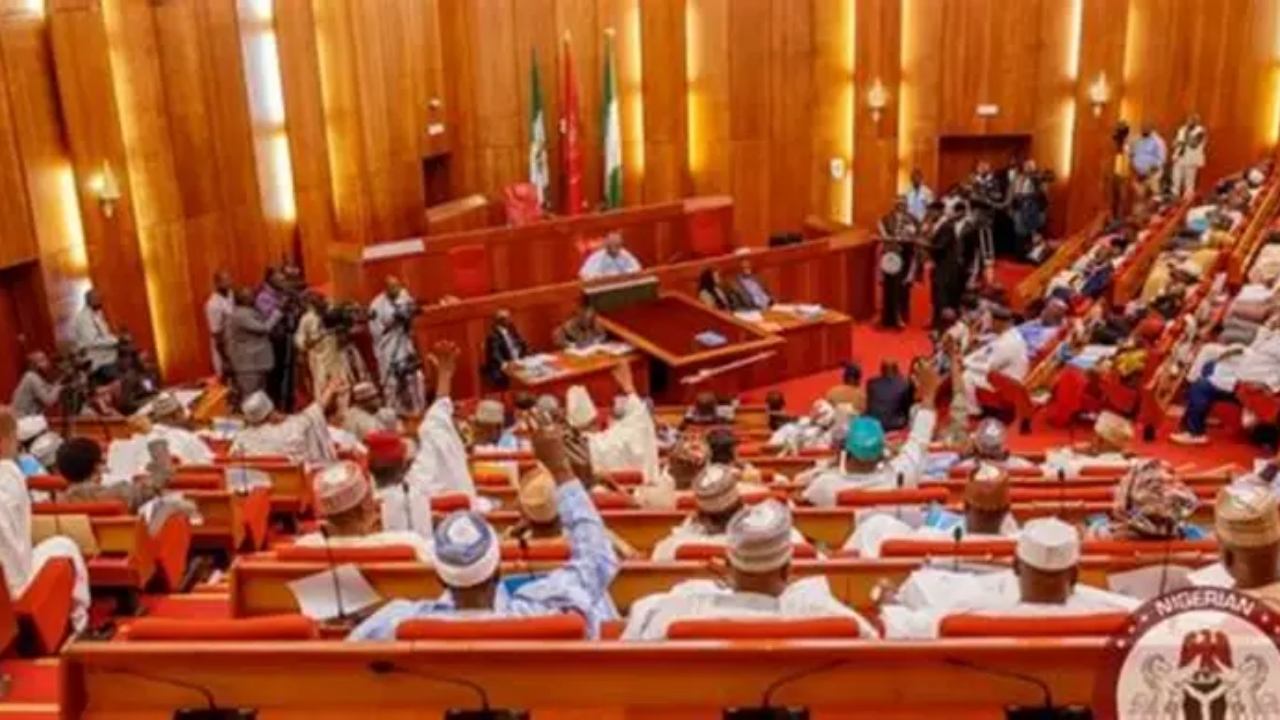
The Nigerian Senate has vowed to conclude the constitutional amendment process required to establish state police before the end of 2026, marking a major step in Nigeria’s security reform efforts.
Senate spokesperson, Yemi Adaramodu, confirmed that lawmakers will immediately resume work on the 1999 Constitution review once plenary reconvenes.
The move follows a formal request by Bola Tinubu urging the National Assembly to fast-track amendments that would decentralise policing and strengthen internal security.
Constitution Amendment to Tackle Insecurity
President Tinubu recently called on federal lawmakers to incorporate state police into the Constitution, stressing the need to secure forests, protect communities, and address growing insecurity nationwide.
He also warned that the new policing structure must include strict safeguards to prevent political misuse by state governors.
According to Adaramodu, extensive consultations have already been conducted across Nigeria’s geopolitical zones.
Reports from stakeholder engagements have been compiled, and lawmakers are prepared to accelerate the process before political campaigns for the next general election begin.
“We will expeditiously treat the matter and ensure the amendment is completed before year end,” the Senate spokesman assured.
Safeguards Against Abuse of State Police
Key stakeholders, including the Miyetti Allah Cattle Breeders Association of Nigeria and pan-Yoruba group Afenifere, have expressed support for state police but warned against potential abuse.
They emphasised the need for balanced recruitment reflecting ethnic and religious diversity within each state.
Oversight mechanisms, penalties for misuse, and federal supervision have also been proposed to prevent governors from deploying state police for political intimidation.
Security analysts argue that decentralised policing could address Nigeria’s shortage of security personnel while improving rapid response at the grassroots level.
If passed, the amendment would represent one of the most significant changes to Nigeria’s policing structure since 1999, reshaping the country’s approach to law enforcement and internal security governance.