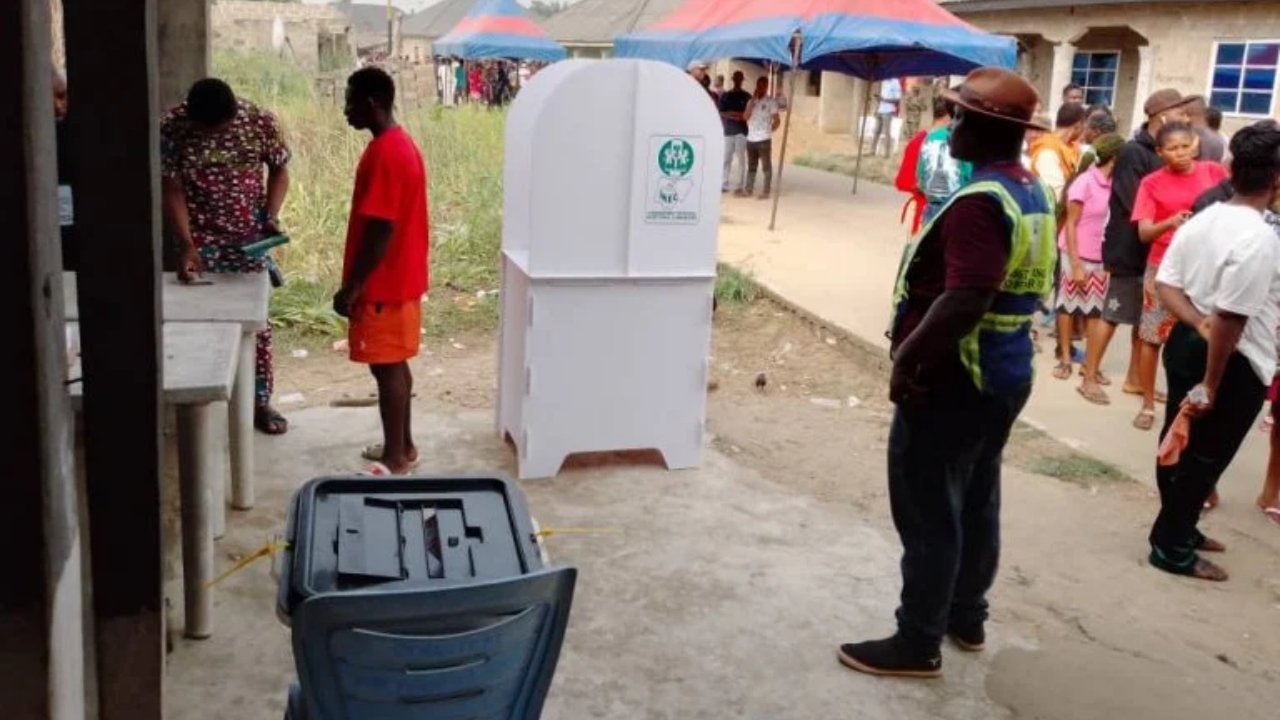
The journey to elective office in Nigeria begins long before voters step into polling booths.
Within parties like the All Progressives Congress and the Peoples Democratic Party, power is first negotiated through caucus politics, loyalty networks and financial influence.
Caucus Politics and Internal Power Blocs
Party structures are layered around influential caucuses — elders, youth, women, religious blocs and elite financiers.
These caucuses function as internal governments, shaping candidate selection and controlling delegate loyalty.
Aspirants who ignore these blocs risk political isolation.
Analysts argue that what critics describe as godfatherism is often a reflection of entrenched hierarchies within party systems.
In many states, governors and long-standing leaders maintain dominance over ward and local government executives, influencing who secures party tickets.
The Financial Marathon of Nigerian Politics
Politics in Nigeria is highly capital intensive. From councillorship to governorship and presidential races, aspirants face staggering financial demands.
Campaign consultations, stakeholder meetings, mobilisation tours and election-day logistics require enormous funding.
Insiders estimate that a serious governorship bid can exceed tens of billions of naira, excluding legal disputes.
Election day alone — covering agents, transport, media visibility and coordination — may surpass months of prior spending.
Beyond direct campaign costs, aspirants are expected to maintain constant grassroots visibility.
Financial support for community events, religious programmes and local gatherings sustains political relevance between election cycles.
Credibility Versus Cash
While money and caucus alignment remain critical, political observers stress that credibility, reputation and ideological commitment still matter.
Aspirants who attempt to buy influence without building trust often struggle to secure lasting loyalty.
Ultimately, the cost of political power in Nigeria reflects a complex blend of democratic scale, internal party structures and financial endurance.
In a country with 36 states and vast grassroots networks, securing elective office demands more than ambition — it requires strategy, alliances and deep pockets.