Nigeria’s net foreign exchange reserves have climbed sharply to $34.8 billion by the end of 2025, marking a 772 percent increase from $3.99 billion recorded at the end of 2023, according to the Central Bank of Nigeria (CBN).
The development signals a significant strengthening of the country’s external financial buffers and growing investor confidence.
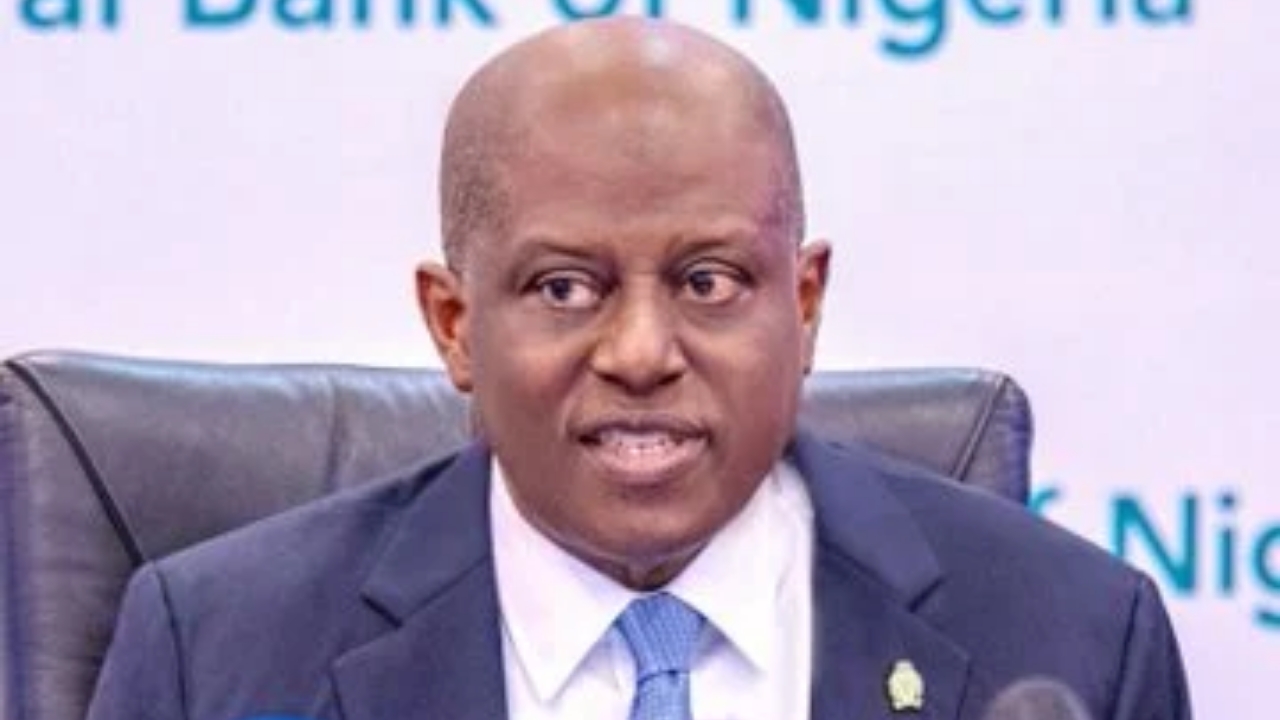
CBN Governor Olayemi Cardoso disclosed the figures while highlighting improvements in Nigeria’s foreign exchange management and external sector performance.
The apex bank noted that the surge in reserves reflects sustained policy reforms, stronger inflows, and improved credibility in the foreign exchange market.
Net reserves represent the portion of a country’s foreign assets that remains after subtracting short-term liabilities and financial obligations.
This measure provides a clearer picture of funds available to support the naira, meet external commitments, and stabilize the foreign exchange market.
According to the CBN, Nigeria’s gross external reserves reached $50.45 billion by February 16, 2026, while net reserves stood at $34.8 billion as of December 2025.
The bank said the increase demonstrates improved transparency and more efficient reserve management practices.
Cardoso explained that higher reserves are helping strengthen Nigeria’s capacity to withstand external economic shocks.
The improved figures also highlight the success of recent economic reforms aimed at attracting foreign investment and stabilizing the foreign exchange market.
Between 2024 and 2025, net reserves increased significantly from $23.11 billion to $34.8 billion, while gross reserves rose from $40.19 billion to $45.71 billion.
This upward trend indicates stronger external sector fundamentals and a healthier balance of payments position.
The CBN attributed the reserve growth to several key factors, including rising non-oil exports, stronger diaspora remittances, favourable trade conditions, and improved investor sentiment.
The apex bank emphasized that market confidence remains crucial to sustaining these gains.
According to Cardoso, consistent policies and ongoing engagement with global investors have helped improve Nigeria’s financial outlook.
The CBN reaffirmed its commitment to maintaining strong foreign exchange reserves to support macroeconomic stability, strengthen the naira, and ensure Nigeria can meet its international financial obligations.