By Our Correspondent
National News – Donald Trump has revealed that Iran allowed 10 oil tankers to pass through the strategic Strait of Hormuz as a “present” aimed at demonstrating seriousness in negotiations to end the ongoing Middle East conflict.
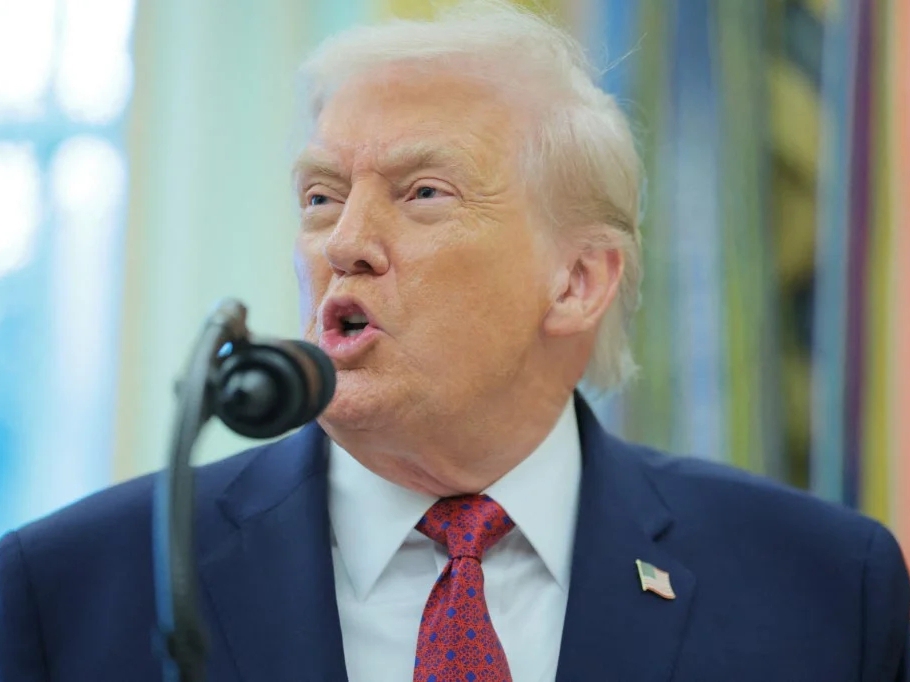
The U.S. president made the statement on Thursday during his first cabinet meeting since the war began nearly four weeks ago, describing the move as a signal of goodwill from Tehran as diplomatic talks continue.
According to Trump, Iranian officials permitted the tankers to move through the narrow waterway—one of the world’s most critical routes for global energy shipments—to show they were willing to cooperate in negotiations.
The president said the gesture followed earlier tensions that had drastically slowed maritime traffic through the channel, disrupting oil and gas flows and raising concerns in global energy markets.
Trump explained that Iranian representatives initially indicated they would allow eight oil vessels to pass through the strait.
He said the decision was meant to prove that Tehran was prepared for meaningful discussions to end the war.
Later, according to the president, Iranian officials reportedly apologized for earlier remarks and agreed to allow two additional vessels through the waterway, bringing the total to 10.
Before revealing details of the gesture to reporters, Trump turned to his Middle East envoy, Steve Witkoff, during the cabinet meeting and asked whether he could publicly disclose the “present.”
The president, however, did not provide additional operational or diplomatic details about the arrangement.
Data from marine intelligence firm Kpler indicated that at least six oil tankers and five gas carriers have passed through the Gulf since Monday.
However, independent verification that these vessels were the same ones referenced by Trump was not immediately available.
Tracking information suggests that two of the tankers may be heading toward China while another is believed to be bound for Thailand.
Among gas carriers observed in transit, one vessel is reportedly traveling to Singapore, while another has already reached India.
Analysts say the development could indicate a temporary easing of tensions in the vital shipping corridor, which handles a significant share of the world’s oil supply.