By Our Correspondent
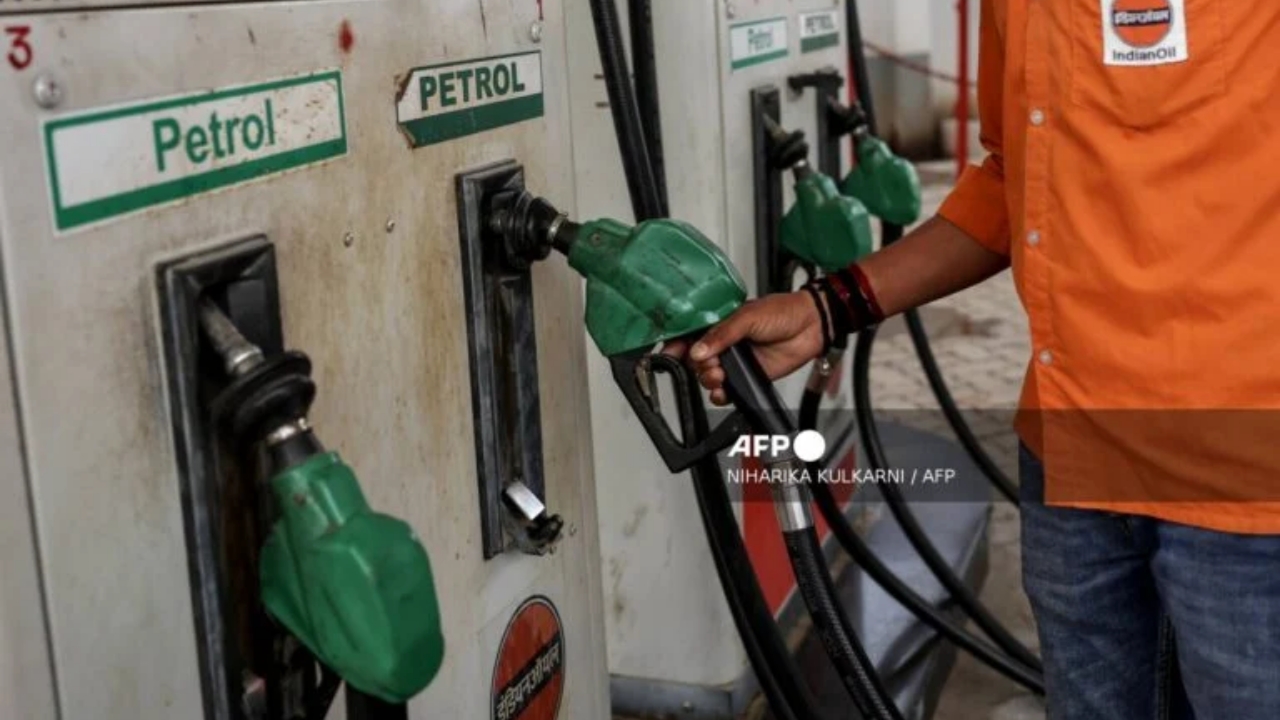
National News – The Indian government has reduced fuel taxes on petrol and diesel to cushion the impact of rising global oil prices caused by the ongoing Middle East conflict.
Finance Minister Nirmala Sitharaman announced the decision on Friday, March 27, 2026, explaining that the measure was introduced to protect consumers and stabilize domestic fuel supply as tensions in West Asia disrupt global energy markets.
India, one of the world’s largest crude oil importers, relies on foreign suppliers for more than 85 percent of its oil needs.
With the war affecting global oil transport routes, the government moved swiftly to reduce central excise duty on petrol and diesel by 10 rupees (about $0.11) per litre.
The decision comes as energy prices surge following the partial closure of the strategic Strait of Hormuz, a key route for global oil shipments.
According to Sitharaman, the tax reduction aims to shield Indian consumers from the rapid rise in fuel costs triggered by supply disruptions.
She also announced new export charges on diesel and aviation turbine fuel to ensure adequate domestic availability.
The government placed export levies at 21.5 rupees per litre for diesel and 29.5 rupees per litre for aviation turbine fuel.
The global energy crisis has intensified since the conflict erupted in the Middle East late last month, pushing oil prices higher and raising fears of shortages in countries heavily dependent on imports.
Analysts warn that any prolonged disruption of shipping routes in the region could trigger a wider fuel supply shock across Asia and other parts of the world.
India’s Oil Minister, Hardeep Singh Puri, said authorities are closely monitoring developments in global energy supply chains and essential commodities to prevent disruptions.
He reassured citizens that the country currently has enough fuel reserves to meet demand.
Government data shows India has nearly two months of steady fuel supply available despite the volatile international market.
However, concerns among the public have triggered long queues at petrol stations in several cities as motorists rush to buy fuel amid fears of shortages.
Officials have urged citizens not to panic, warning that misinformation circulating online is fueling unnecessary anxiety about the country’s energy supply.