Did You Know?
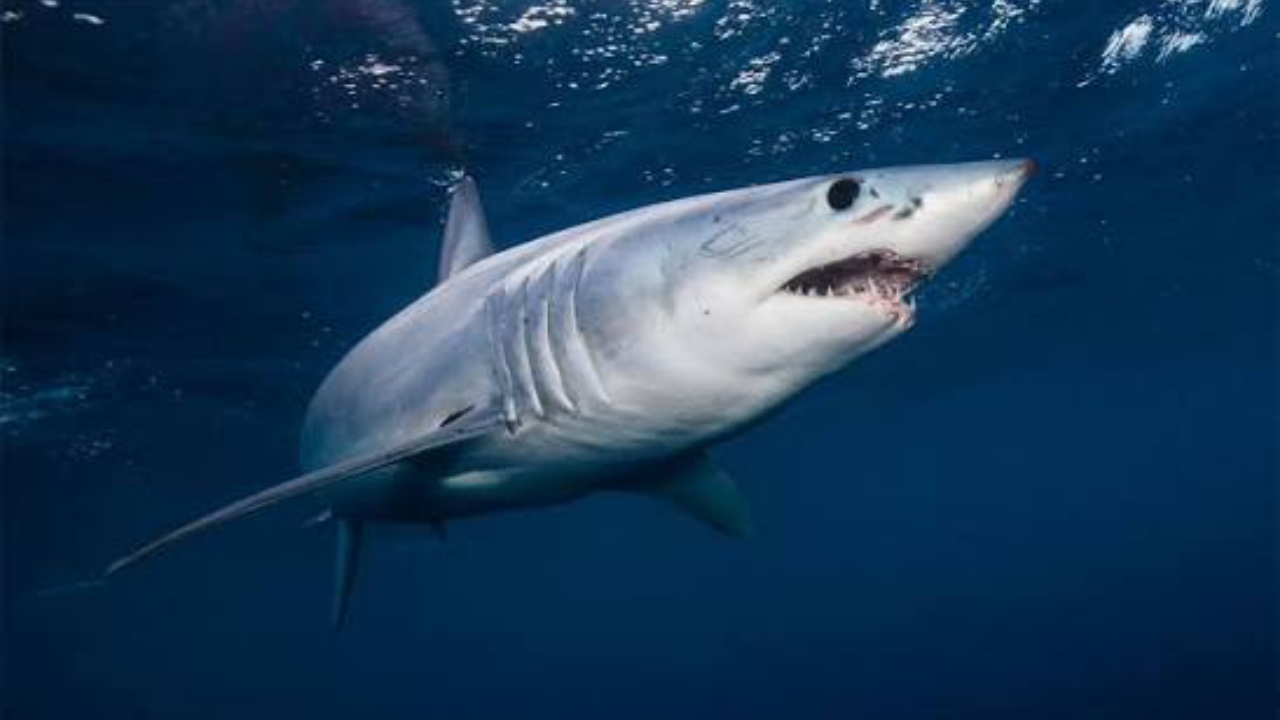
Sharks, some of the ocean’s most fascinating predators, have roamed Earth for over 400 million years.
This predates the rise of trees, which appeared around 350 million years ago, making sharks true ancient survivors.
Scientists explain that these remarkable creatures evolved long before many other life forms we see today, adapting over time to changing oceans and climates.
With hundreds of species ranging from the massive whale shark to the small dwarf lanternshark, sharks continue to dominate marine ecosystems.
Researchers say sharks existed long before forests emerged, raising questions about evolutionary timelines.
Where did they come from? Fossil evidence suggests early sharks thrived in oceans while land-based plants were still sparse.
Why did sharks survive when other species vanished? Experts point to their versatile hunting skills and resilient physiology.
How have they changed? Over millions of years, sharks have evolved specialized teeth, sensory organs, and swimming techniques to thrive in diverse marine habitats.
When did trees first appear? Fossil records indicate large tree species emerged around 350 million years ago, millions of years after sharks were already established.
Who studies these ancient animals? Paleontologists and marine biologists worldwide continue to examine shark fossils and DNA to uncover their evolutionary secrets.
Understanding that sharks predate trees offers a glimpse into Earth’s distant past, emphasizing their role as living fossils.
Conservationists stress the importance of protecting these ancient predators, whose survival connects modern oceans with a prehistoric world.
Highlighting sharks’ longevity and resilience also reminds us of the delicate balance in marine ecosystems and the impact humans have today.
Now, you know.
National News