By Our Correspondent
National News – The Central Bank of Nigeria (CBN) has signalled the beginning of an economic reset after recording major improvements in inflation levels, foreign reserves, and investor confidence.
The development was announced on Friday during the CBN Special Day at the 37th Enugu International Trade Fair in Enugu State.
The Acting Director of Corporate Communications and Investor Relations at the CBN, Sidi Hakama, revealed that recent monetary and financial sector reforms introduced by the apex bank were responsible for the positive economic indicators.
According to Hakama, Nigeria’s headline inflation dropped significantly from 34.8 per cent recorded in late 2024 to 15.06 per cent by the end of February 2026.
She explained that the reduction in inflation was achieved through coordinated policy reforms and improved monetary management aimed at stabilising prices and strengthening the country’s financial system.
The CBN also disclosed that Nigeria’s foreign reserves have grown remarkably, rising from less than $10 billion in recent years to $50.45 billion.
Hakama noted that the improvement followed a surge in capital inflows and investment interest in the Nigerian economy.
She further stated that capital and investment inflows increased by nearly 200 per cent between 2023 and 2025.
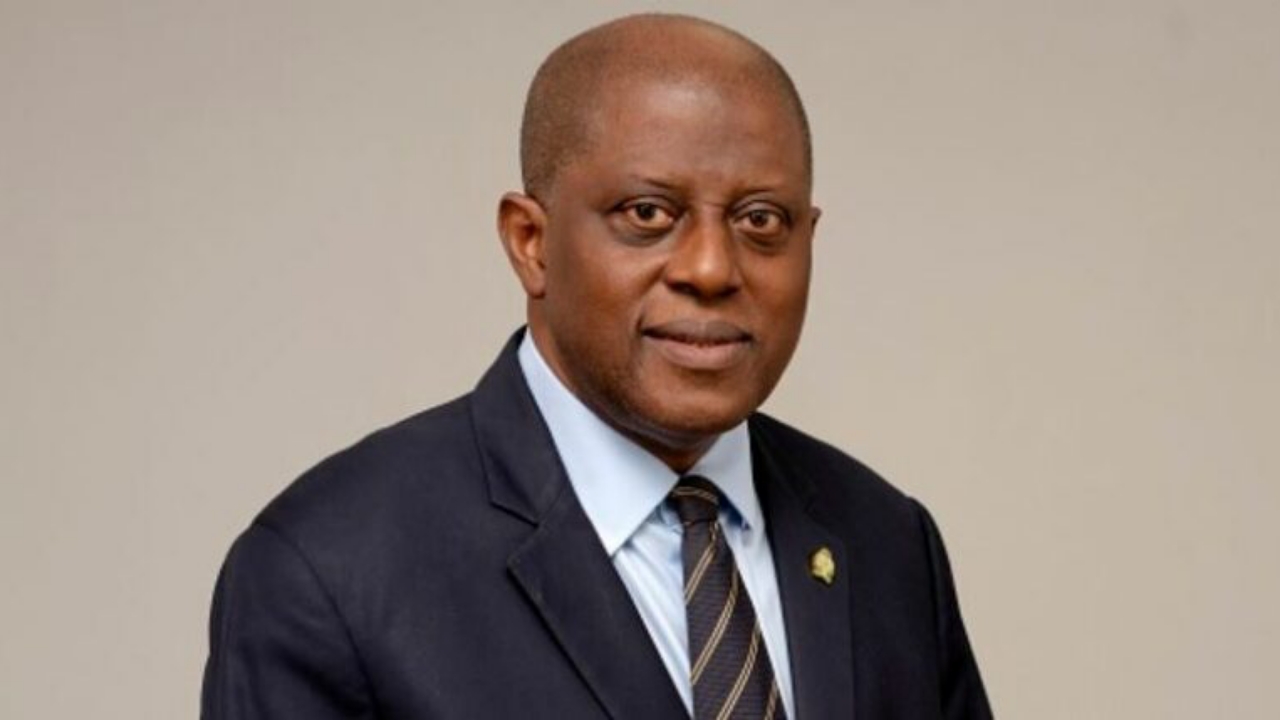
According to the apex bank, the rise in investor confidence was largely driven by reforms introduced under the leadership of CBN Governor Olayemi Cardoso, particularly the adoption of a more transparent foreign exchange regime.
Hakama explained that the new foreign exchange manual introduced by the bank has removed restrictive capital controls and simplified procedures for trade and investment.
This, she said, has increased liquidity in the market and encouraged more foreign participation in Nigeria’s financial sector.
The CBN is also transitioning toward an inflation-targeting framework designed to maintain long-term price stability and strengthen economic resilience against global shocks.
In addition, Hakama disclosed progress in the ongoing banking sector recapitalisation exercise ahead of the March 31, 2026 deadline.
As of March 17, a total of 32 banks had already met the new capital requirements, with about 28 per cent of recapitalisation investments coming from foreign sources.
However, the President of the Enugu Chamber of Commerce, Industry, Mines and Agriculture, Nnanyelugo Onyemelukwe, warned that high interest rates could slow economic growth despite the reforms.
Although the Monetary Policy Rate was recently reduced from 27.0 per cent to 26.5 per cent, he stressed that borrowing costs must fall to single digits to improve credit access, boost productivity, and strengthen Nigeria’s gross domestic product.
The CBN maintained that its ongoing reforms aim to stabilise the economy, strengthen financial markets, and support sustainable growth in Nigeria.