By Our Correspondent
National News – A growing split is emerging among American conservatives over the US-Israel military campaign in Iran, now entering its fourth week.
While most Republicans continue to support President Donald Trump, younger party members are questioning the war’s purpose, costs, and endgame.
Attendees at the Conservative Political Action Conference (CPAC) in Dallas expressed concern about rising living expenses, oil prices, and whether the conflict aligns with America’s interests.
At CPAC, generational tensions were evident. College student Toby Blair and law student Shashank Yalamanchi voiced doubts about US intervention, highlighting domestic priorities like affordable groceries and gas.
They argued that Trump had promised a more restrained foreign policy. Meanwhile, older conservatives, including the “Trump Tribe of Texas,” expressed full support, stressing national security and trusting Trump’s judgment in confronting Iran’s nuclear threat.
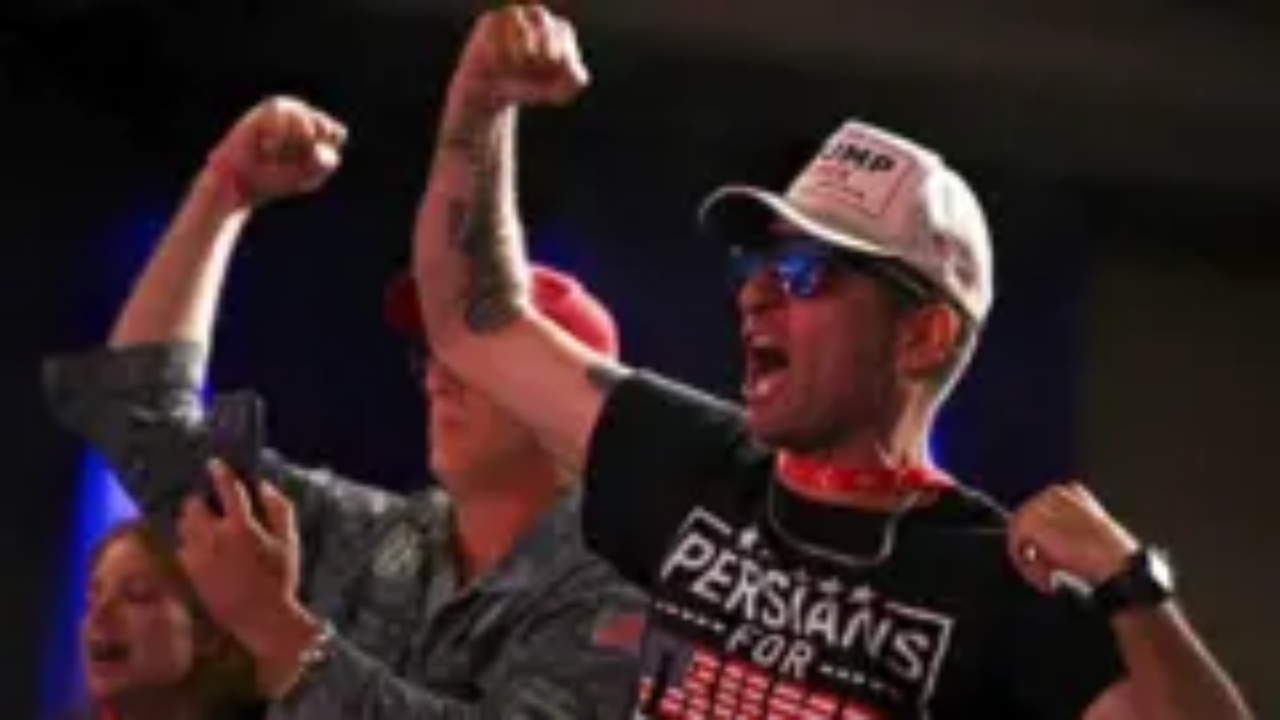
The conference also featured a strong presence of Iranian-American activists advocating regime change in Iran, chanting slogans, and celebrating US military actions.
CPAC organizer Matt Schlapp acknowledged the excitement of those seeking freedom after decades of oppression, while also noting ongoing debates among conservatives over the conflict’s direction.
Panels included voices like Erik Prince of Blackwater, warning of prolonged challenges, and former Congressman Matt Gaetz, cautioning against higher costs and greater risks from a ground invasion.
Polling by Pew Research shows a clear age gap in Republican support for Trump’s handling of the war: 84% of older Republicans approve, but only 49% of those aged 18–29 feel the same.
Despite the majority support, analysts warn that tepid enthusiasm among younger voters could impact turnout in November’s congressional elections.
Trump has emphasized that the war is “winding down” and remains a necessary measure to prevent Iran from acquiring nuclear weapons and to protect US allies such as Israel and Gulf states.
The CPAC discussions underline the pressure on Trump to consider an exit strategy while balancing national security, domestic priorities, and conservative unity.
How the Iran conflict evolves will continue to shape American politics and influence Republican voter engagement.