By Our Correspondent
National News – Electricity consumers across seven northern states of Nigeria will experience weeks of power disruption as the Nigerian Independent System Operator (NISO) begins a scheduled upgrade on the Jos–Gombe 330kV transmission line.
The planned outage, which started on April 9, 2026, will continue until May 22, 2026, affecting electricity supply in Plateau, Gombe, Bauchi, Borno, Adamawa, Taraba, and Yobe states.
The power disruption will occur every Thursday to Sunday between 9:00 a.m. and 6:00 p.m. as engineers install Optical Ground Wire fibre optic infrastructure along the Jos–Gombe transmission corridor.
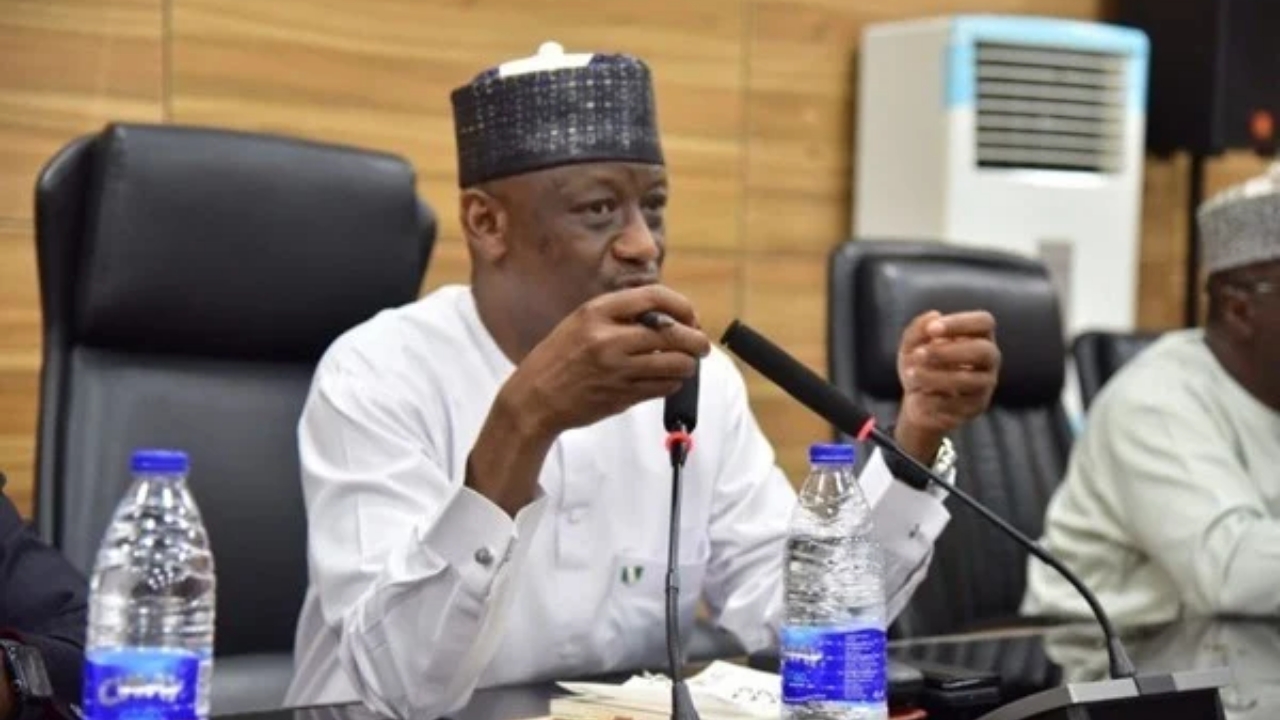
According to NISO Managing Director Abdu Muhammed, the project is part of ongoing efforts to modernise Nigeria’s power grid and strengthen electricity management across the region.
Explaining what the project involves, the operator said the fibre optic installation will support advanced digital technologies such as Supervisory Control and Data Acquisition (SCADA) and Energy Management Systems (EMS).
These systems allow real-time monitoring of electricity flow, faster fault detection, improved load balancing, and stronger grid communication.
On why the temporary outages are necessary, the agency said Nigeria’s transmission network requires digital upgrades to address persistent grid instability and improve energy distribution efficiency.
The installation will also enhance telecommunications infrastructure used in modern power system operations.
Regarding how electricity supply will be managed during the upgrade, NISO said power will still be transmitted through 132kV transmission lines serving the affected states.
However, the operator warned that the alternative lines have limited capacity, meaning customers may experience reduced electricity availability during the outage periods.
The system operator also revealed that it is working closely with Jos Electricity Distribution Company, Yola Electricity Distribution Company, and the Transmission Company of Nigeria to minimise disruptions.
Coordinated planning with distribution companies will help ensure that outages across feeders and substations remain within the scheduled timeframe.
Despite the inconvenience, officials say the long-term benefits include improved electricity reliability, quicker fault restoration, better grid coordination, enhanced system monitoring, and stronger integration of generation and load data across the northern region.
NISO apologised to electricity consumers for the disruption and urged residents and businesses in the affected states to cooperate while the critical upgrade is completed.