National News – A joint initiative by the United States and the United Nations has trained officers from Nigeria and nine other West African nations to tackle rising drug trafficking networks across the region.
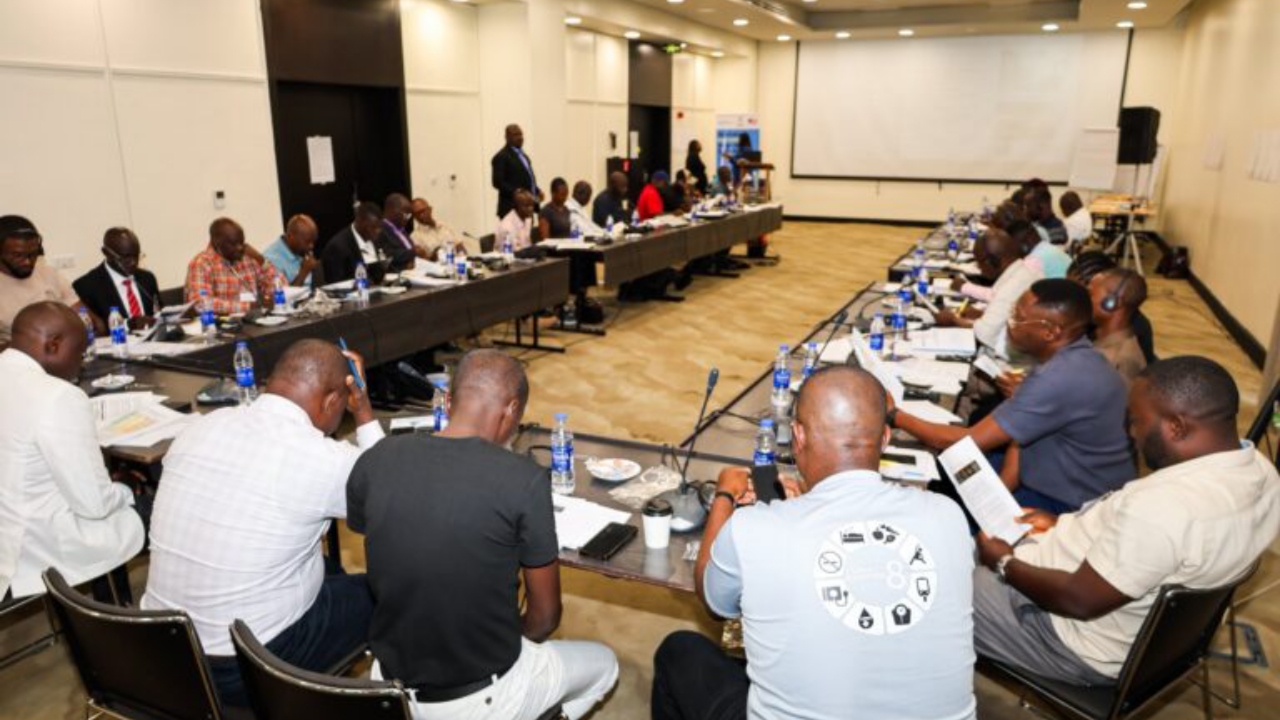
The programme, held on Friday, involved operatives of the National Drug Law Enforcement Agency and partner agencies, focusing on dismantling illicit drug labs, improving investigations, and strengthening intelligence-sharing systems.
The training, delivered through the US Bureau of International Narcotics and Law Enforcement Affairs alongside the UN Office on Drugs and Crime, aims to curb transnational drug operations that have increasingly exploited West Africa as a transit and production hub.
Officials said the collaboration will enhance regional coordination and improve the ability of law enforcement agencies to disrupt criminal syndicates at their source.
From a broader perspective, the initiative highlights growing international concern about the scale and sophistication of drug trafficking routes linking Africa, Europe, and the Americas.
Analysts note that Nigeria’s strategic location and large population make it both a target and a key player in enforcement efforts.
Strengthening the NDLEA’s operational capacity is therefore seen as critical to regional stability.
Local reactions among security observers have been cautiously optimistic.
Some argue that while training is valuable, sustained funding, modern equipment, and judicial support are equally necessary to achieve lasting impact.
Others stress that corruption and weak border controls remain major obstacles that training alone cannot solve.
The implications of this programme extend beyond crime control.
By improving cooperation between countries, it could reduce the flow of narcotics, limit associated violence, and enhance public safety.
However, experts warn that success will depend on whether participating nations maintain intelligence-sharing commitments and translate training into real-world enforcement.
Ultimately, the initiative signals a renewed push to confront drug trafficking in West Africa—but its effectiveness will be judged by measurable declines in drug-related crime in the coming years.