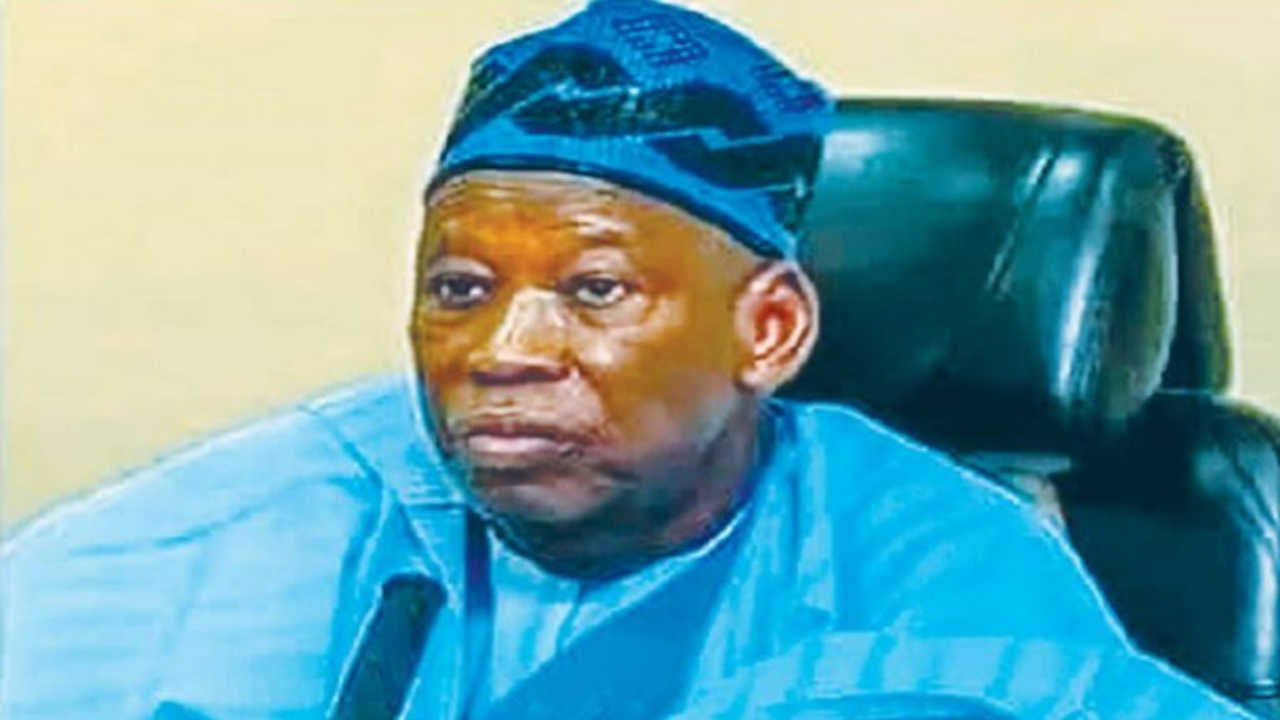
National News – Former Kano State governor, Abdullahi Ganduje, has blamed the surge in street begging across Northern Nigeria on the long-standing neglect of persons with disabilities (PWDs).
He made this assertion on Friday in Abuja during the 10th anniversary of Let’s Talk Humanity, an advocacy group focused on inclusive education.
According to Ganduje, the marginalisation of PWDs has created a social vacuum that forces many into begging, visible across major northern cities.
Ganduje argued that for decades, PWDs in the North have been sidelined from education, employment, and public life, leaving many with little choice but to survive on alms.
He described the situation as both a humanitarian and policy failure, stressing that inclusive education and targeted interventions could reverse the trend.
The event highlighted success stories from specialised schools, suggesting that structured support can transform lives.
Adding to the conversation, Minister of Humanitarian Affairs Bernard Doro emphasised the need for accessibility in technology and infrastructure, advocating for inclusive design from the outset rather than retrofitted solutions.
Local reactions reflect a mix of agreement and skepticism.
Some residents in northern cities say the visibility of beggars is undeniable, while others argue that poverty, insecurity, and almajiri practices also play major roles.
Analysts note that while Ganduje’s claim highlights a critical issue, it may oversimplify a complex socio-economic challenge.
The broader implication is clear: without deliberate investment in disability inclusion, Nigeria risks deepening inequality.
Policies that empower PWDs—through education, vocational training, and social protection—could reduce dependency and boost economic participation.
Ultimately, Ganduje’s remarks reopen a long-standing debate: is street begging primarily a welfare failure, or a reflection of deeper structural neglect? The answer may lie in addressing both.