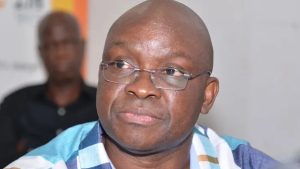
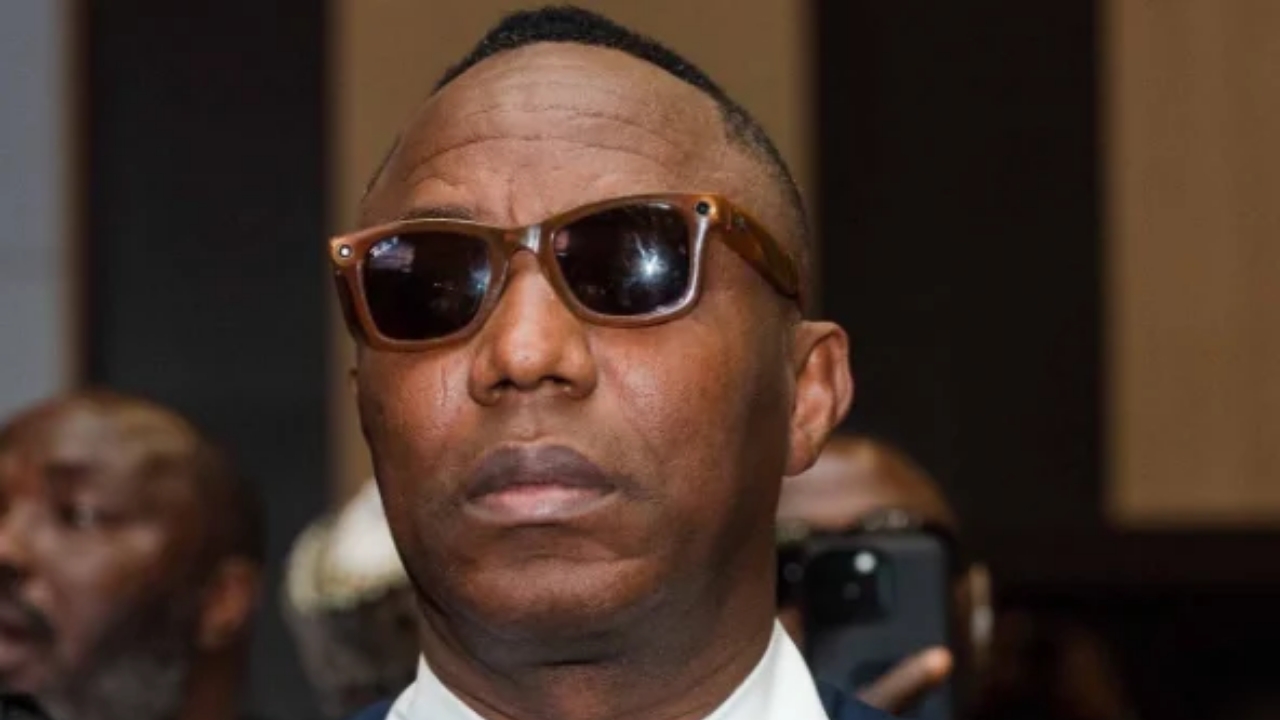
National News – Activist and African Action Congress leader Omoyele Sowore has publicly explained why he declined an invitation to an opposition summit held on April 25, 2026, in Ibadan.
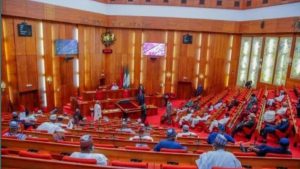
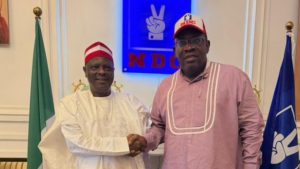
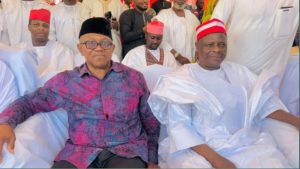
The event, hosted by Governor Seyi Makinde and chaired by former President Olusegun Obasanjo, brought together key political figures including Atiku Abubakar and Rabiu Kwankwaso.
Organisers said the goal was to unify opposition forces ahead of future elections and address Nigeria’s economic and security challenges.
However, Sowore rejected the gathering, arguing that it represents a “recycling of failed political actors” rather than a genuine alternative.
In a statement shared via social media, he questioned why politicians he believes contributed to Nigeria’s struggles should now be seen as agents of change.
According to him, the summit lacks credibility and fails to offer Nigerians a meaningful break from the past.
His position reflects a broader frustration among younger voters and civil society groups who feel disconnected from traditional political coalitions.
Across parts of Lagos and Abuja, reactions online and in political circles were mixed—some praised his consistency and ideological stance, while others criticised him for refusing collaboration that could strengthen opposition unity.
From a strategic standpoint, Sowore’s decision underscores a deepening divide within Nigeria’s opposition landscape.
While established figures push for alliances to challenge the ruling party, newer movements like the African Action Congress appear focused on building independent grassroots momentum.
This raises questions about whether ideological purity or coalition-building will prove more effective in future elections.
The implications are significant.
A fragmented opposition could weaken efforts to present a strong alternative to the current administration, yet Sowore’s stance may also energise a segment of voters seeking a clean political slate.
Ultimately, his rejection of the summit highlights an ongoing debate about leadership, accountability, and the kind of political reset many Nigerians are demanding.