By Loureta Samuel, Yenagoa
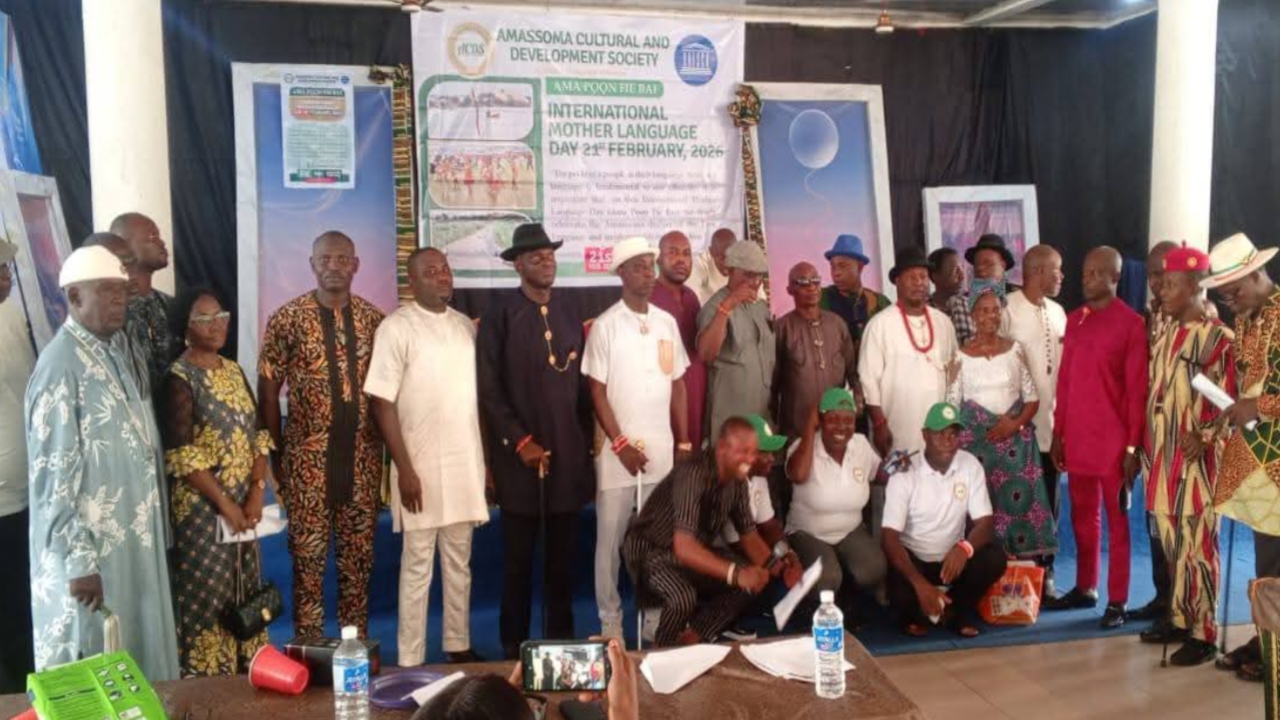
In a vibrant display of cultural pride and linguistic revival, the Amassoma Cultural and Development Society (ACDS) has renewed calls for parents and guardians to prioritize speaking their native tongue to their children — a move aimed at safeguarding the Amassoma dialect of the Izon language from extinction.
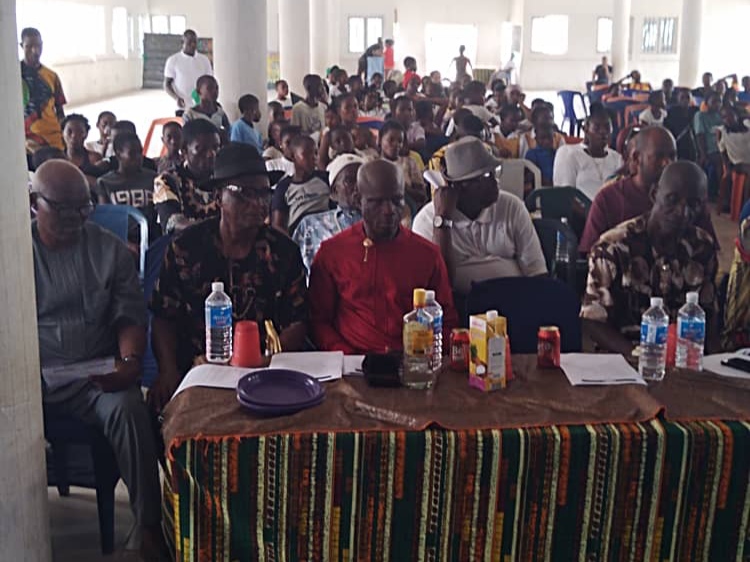
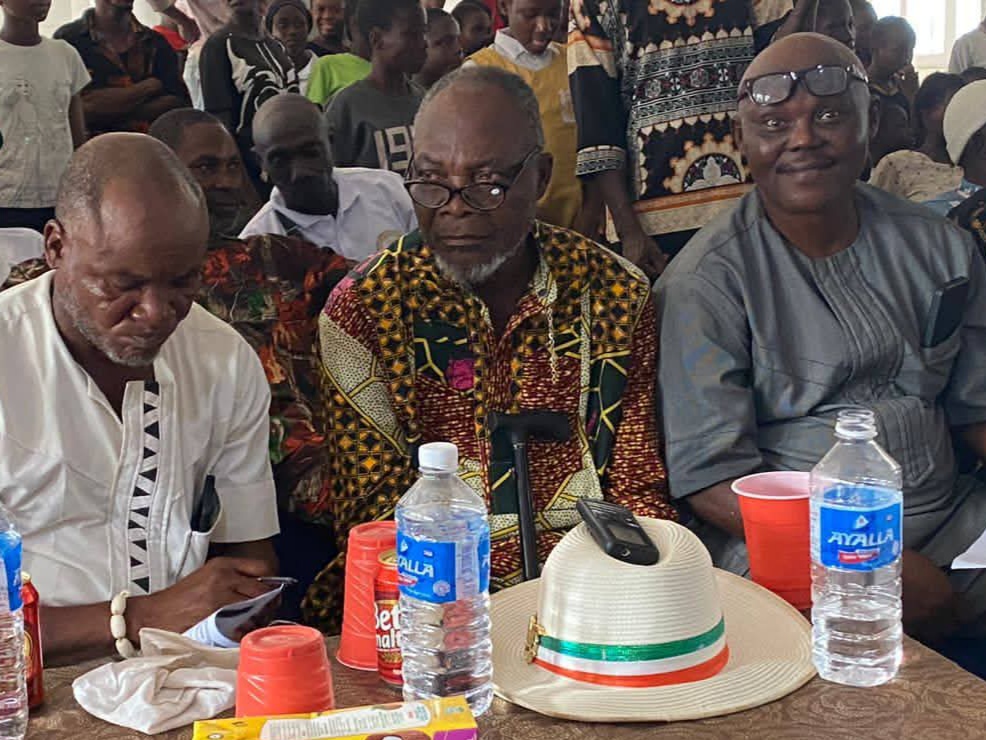
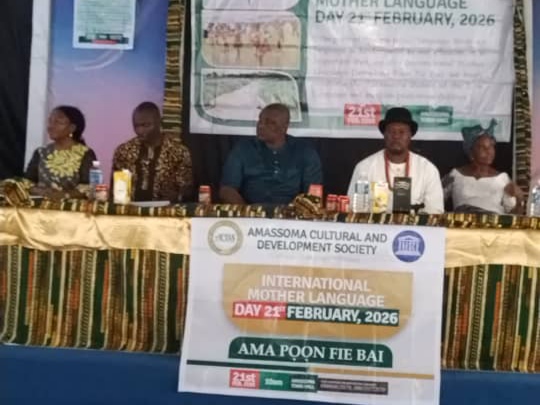
The event, marking the 2026 edition of International Mother Language Day, was held at the Amassoma Town Hall in Southern Ijaw Local Government Area of Bayelsa State.
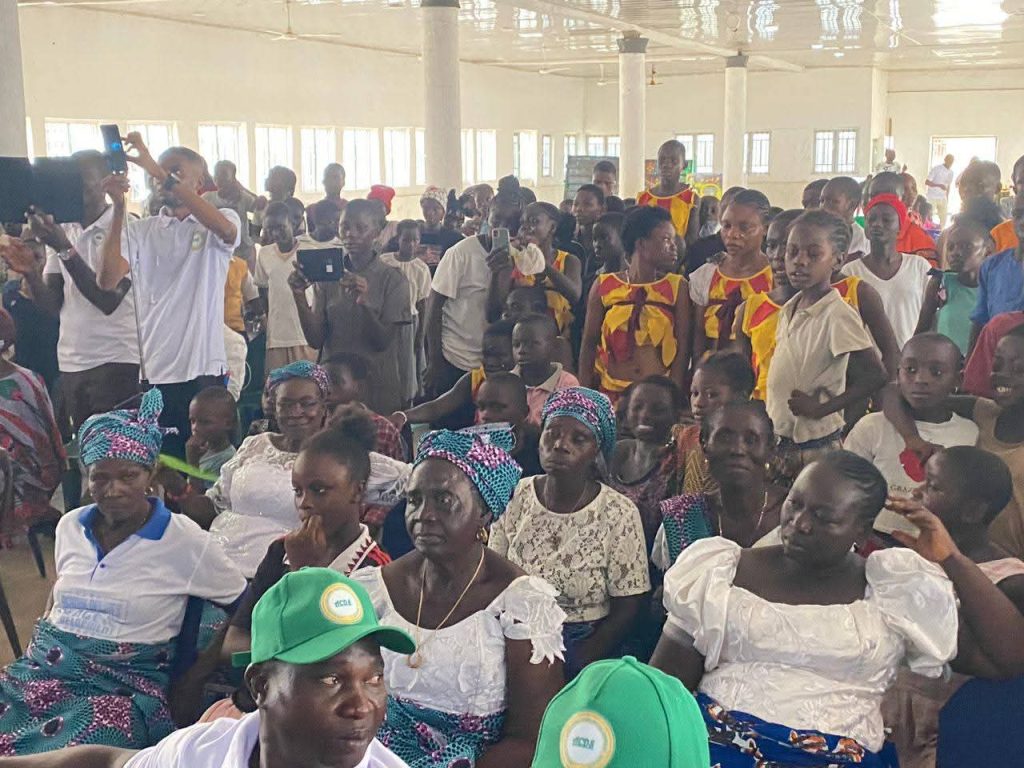
The celebration, which drew over a thousand indigenes and guests, featured an energetic mix of traditional music, poetry, drama, and dance — all delivered in the Amassoma dialect under the theme “Ama Pọọn Fie Bai” (Let’s Speak Amassoma Language).
The day also marked the second anniversary of ACDS’s formal campaign to revive and promote the indigenous Amassoma dialect — a language now facing decline as the once homogenous community grows increasingly multi-ethnic.
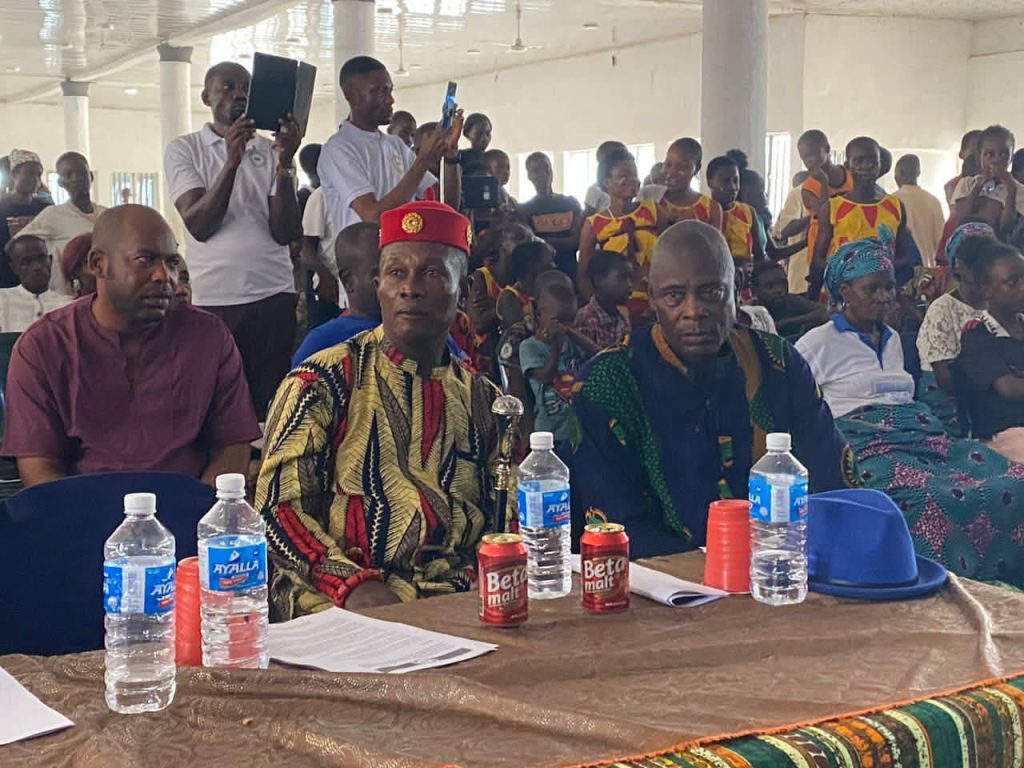
Speaking at the event, ACDS Vice Chairman, Sir Eric Avi, announced the establishment of a series of learning initiatives designed to sustain the language.
Among them are an online tutorial platform, “Amassoma Poon Fie Ogbo,” streaming every Wednesday on WhatsApp, and a local roadside discussion forum known as “Tomubolou Efie.”
He said the platforms are created to help people reconnect with the Amassoma dialect of the Izon language and ensure that younger generations can speak it fluently.
Avi commended members of the society in the diaspora for their consistent support toward the language revival campaign; saying both the chairman and secretary of ACDS have always put in their best to promote the aims of the group, despite living abroad.
“It will surprise most of us here that our chairman and secretary have been working round the clock to ensure that every activity of this organization thrives; working assiduous to promote our goals and aspirations from the diaspora,” he said.
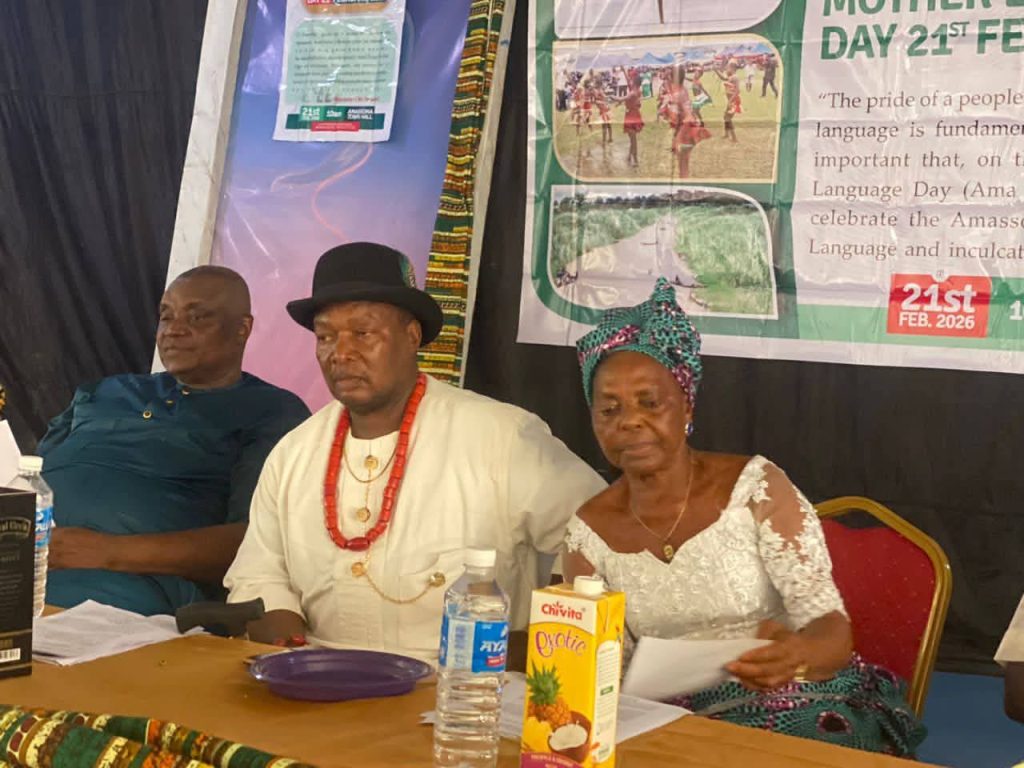
The ACDS Secretary, Madam Ebi Owoubiri, in her remarks, highlighted the symbolic importance of the International Mother Language Day celebration as a reminder of the need to preserve cultural identity.
“International Mother Language Day is important because it promotes the preservation of the mother tongue to prevent the loss of culture and tradition.”
“It is a day that enables children to understand their roots.”
“ACDS is promoting the Amassoma dialect of the Izon language because certain aspects of our cultural heritage are disappearing.”
“Without intervention to protect it, it will be lost forever; leaving future generations without an identity,” Ebi emphasized.
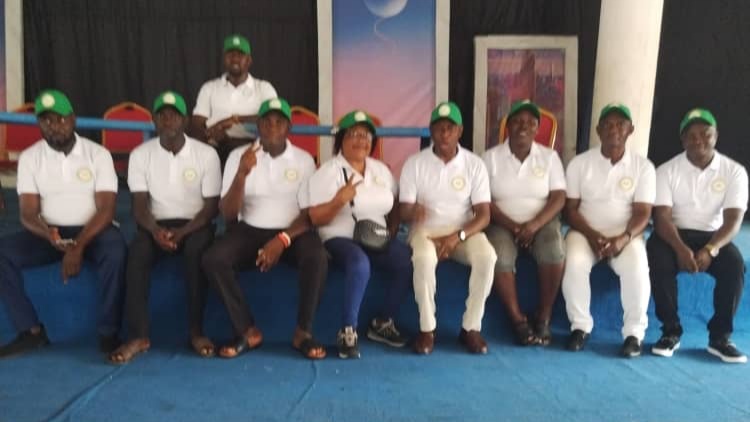
Similarly, ACDS Treasurer, Mr. Adoewori Fredrick, urged parents, guardians, and traditional leaders to be deliberate in teaching the younger generation the Izon language.
He also called on the Bayelsa State Government to deepen its support for indigenous language education.
“We must redirect our children to our roots. Our traditional institutions should even consider by-laws that encourage the daily use of our mother tongue,” Fredrick suggested.
He said, “All parents should speak their language with their children, that’s the only way we can keep our language alive.”
“It a kind of transfer from generation to generation. Our parents have done their part, it’s now our turn, and if we refuse to speak it, it will die.”
Adding a government perspective, Mrs. Gbenere Offoin, Director of the Ijaw Affairs Department in the Ministry of Ijaw National Affairs, praised the Bayelsa State Government for introducing indigenous language education in schools.
She applauded the government for providing teachers and learning materials across schools in the 8 local government areas of the state.
She encouraged parents to reinforce these efforts at home.
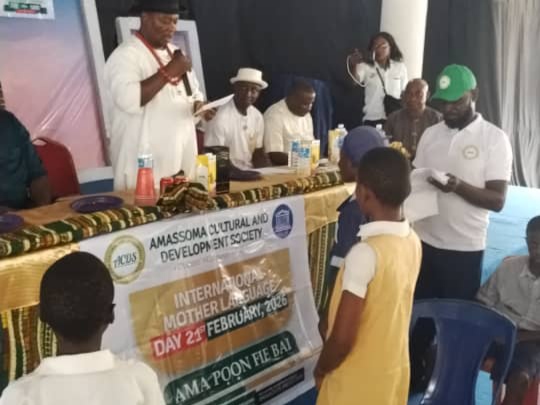
The event climaxed with cultural recitations, a spirited dance performance by the Egbelegbele Cultural Group, and a quiz competition conducted entirely in the Ijaw language.
Prizes were presented to outstanding students and schools that showcased exceptional fluency and creativity.
As drums echoed and voices chanted familiar words from the fading dialect, one message rang clear: for the people of Amassoma, saving their language is not merely an act of nostalgia — it is a commitment to preserving their collective soul for generations yet unborn.