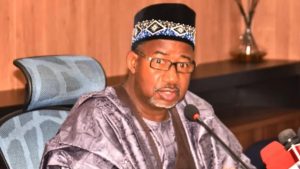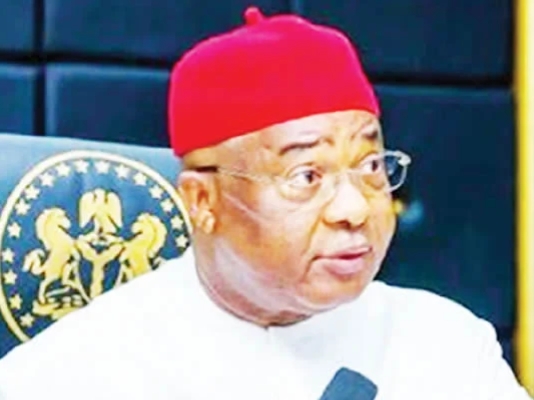
Governor Hope Uzodimma has attributed growing public dissatisfaction with President Bola Tinubu’s economic reforms to communication gaps within the All Progressives Congress (APC) rather than policy failure.
Speaking at the Progressive Governors’ Forum-Renewed Hope Ambassadors Strategic Summit in Abuja, Uzodimma said key economic indicators show measurable improvement since May 2023, but messaging has failed to resonate at the grassroots.
“The problem is not policy failure. The problem is a communication failure — and that failure is on us,” he stated.
Tinubu Reforms: Key Economic Gains
Uzodimma highlighted major achievements under the Tinubu administration, including:
Foreign reserves growth: Increase from $32bn in May 2023 to $49bn by February 2026.
Lower inflation rate: Headline inflation declined from 22.4% to 15.15%, while food inflation dropped from nearly 40% to 10.84%.
Crude oil production rise: Output climbed from about one million barrels per day to 1.5 million barrels daily, peaking at 1.6 million barrels with condensates.
Dangote Refinery operations: The 650,000 barrels-per-day refinery reduced Nigeria’s petrol import dependency.
Minimum wage increase: National minimum wage rose from ₦30,000 to ₦70,000.
Higher power generation: Electricity supply improved from 4,200MW to over 5,700MW.
He also cited tax reforms introduced in June 2025, consolidating more than 60 taxes into fewer than 10 statutes.
Workers earning ₦800,000 or less annually now pay zero income tax, while small businesses below ₦50m turnover enjoy multiple tax exemptions.
APC Grassroots Mobilisation Strategy
Uzodimma identified fragmented communication, weak grassroots templates, inconsistent membership expansion, and role ambiguity as critical gaps.
He proposed a unified messaging framework involving Renewed Hope Ambassadors, Commissioners for Information, and APC party structures nationwide.
The governor outlined 14-, 30-, and 60-day implementation timelines, including WhatsApp broadcast networks, short-form videos in local languages, coordinated social media campaigns, and rapid-response mechanisms to counter misinformation.
According to Uzodimma, effective political communication and narrative discipline are essential to bridge the gap between macroeconomic reforms and everyday realities experienced by Nigerians.