Political tensions are rising between Nigeria and the United States after American lawmakers proposed visa bans and asset freezes against former Kano State Governor, Senator Rabiu Musa Kwankwaso, Miyetti Allah Cattle Breeders Association of Nigeria (MACBAN), and Miyetti Allah Kautal Hore over alleged religious freedom violations in Nigeria.
Both the All Progressives Congress (APC) and the New Nigeria Peoples Party (NNPP) have rejected the proposed sanctions, describing them as unfair, politically motivated and lacking due process.
What Is the Nigeria Religious Freedom and Accountability Act of 2026?
The proposed legislation, titled the Nigeria Religious Freedom and Accountability Act of 2026, was introduced in the US House of Representatives by Rep. Chris Smith, alongside Reps Riley Moore, Brian Mast and Bill Huizenga.
The bill seeks to:
Impose visa bans and asset freezes under the Global Magnitsky Human Rights Accountability Act
Designate certain Fulani-ethnic militias as Foreign Terrorist Organisations (FTOs)
Sanction individuals and entities allegedly involved in severe religious persecution
Reinforce Nigeria’s designation as a Country of Particular Concern (CPC)
Expand US humanitarian intervention in Nigeria’s Middle Belt region
The bill cites data from the Open Doors 2024 World Watch List, alleging that Nigeria accounts for 82% of Christians martyred globally.
APC: Sanctions Based on Allegations Violate Due Process
The APC criticised the proposed US sanctions, warning against punitive action based solely on allegations.
APC Director of Publicity, Bala Ibrahim, stated that restricting Kwankwaso’s freedom of movement without a fair hearing undermines democratic principles.
He argued that:
Allegations must be proven before sanctions are imposed
The US, as a global symbol of democracy, should uphold due process
Visa bans without substantiated evidence infringe on fundamental rights
The party described the move as premature and inconsistent with international legal standards.
NNPP Calls Proposed US Sanctions ‘Blackmail’
The NNPP, Kwankwaso’s party, described the development as a “contrived action” against its national leader.
At a press conference in Abuja, NNPP National Publicity Secretary Ladipo Johnson questioned why Kwankwaso was singled out over Sharia law implementation when other northern governors had adopted similar systems.
The party raised critical questions:
Why target Kwankwaso and not other governors who introduced Sharia?
Why sanction Nigeria while maintaining diplomatic ties with other Sharia-based nations?
Is the move politically selective given Kwankwaso’s opposition stance?
The NNPP highlighted Kwankwaso’s record, noting:
His administration confronted Boko Haram in Kano
His 2023 presidential ticket featured a Christian running mate
His longstanding relationships with Christian leaders across Nigeria
US Lawmakers Cite Religious Persecution Data
The proposed Act contains strong language condemning religious violence in Nigeria.
According to US lawmakers:
Between 50,000 and 125,000 Christians were killed between 2009 and 2025
Over 19,000 churches and Christian-owned facilities were attacked
Fulani-ethnic militias allegedly killed more than 9,500 people between 2023 and 2025
3.5 to 5 million Nigerians are internally displaced
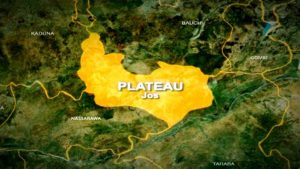
The bill references attacks in Benue, Plateau, and other Middle Belt states, including Christmas and Easter massacres in recent years.
It also criticises:
Blasphemy laws in 12 northern states
Death penalty provisions under Sharia criminal codes
Alleged impunity for perpetrators of mob violence
Miyetti Allah Rejects Terrorism Allegations
The Miyetti Allah Cattle Breeders Association strongly denied any involvement in terrorism or religious persecution.
National President Baba Ngelzarma insisted:
MACBAN is a legally registered association operating for over 42 years
The group represents peaceful herders across religious and ethnic lines
Members have also been victims of banditry and terrorism
The association called on the Federal Government of Nigeria to engage diplomatically with the US to correct what it described as “misconceptions.”
Similarly, the Benue State chapter of MACBAN described the proposed visa ban as a violation of the Universal Declaration of Human Rights, urging US Congress to send an investigative delegation to Nigeria before passing the bill.
Country of Particular Concern (CPC) Status Revisited
The bill supports Nigeria’s re-designation as a Country of Particular Concern (CPC) under the International Religious Freedom Act.
Former US President Donald Trump designated Nigeria a CPC in 2020 and again in October 2025, citing escalating religious violence.
Lawmakers argue that removing Nigeria from the CPC list in 2021 coincided with increased attacks.
Potential Diplomatic and Security Implications
If passed, the legislation would:
Mandate a 90-day US State Department report on Nigeria
Expand sanctions authority
Criminalise material support for designated militias
Increase humanitarian funding in conflict-affected regions
Intensify US counter-terrorism cooperation
The bill also raises concerns about alleged foreign exploitation, including claims that illegal mining operations may be funding armed groups.
Growing Diplomatic Tension
With both ruling and opposition Nigerian parties defending Kwankwaso, the proposed US sanctions risk straining diplomatic relations between Abuja and Washington.
The development has reignited debate over:
Religious freedom in Nigeria
The role of Sharia law in northern states
US foreign policy in Africa
International intervention versus national sovereignty
As deliberations continue in the US Congress, the outcome could significantly reshape Nigeria-US relations and the global conversation on religious persecution.