By Our Correspondent
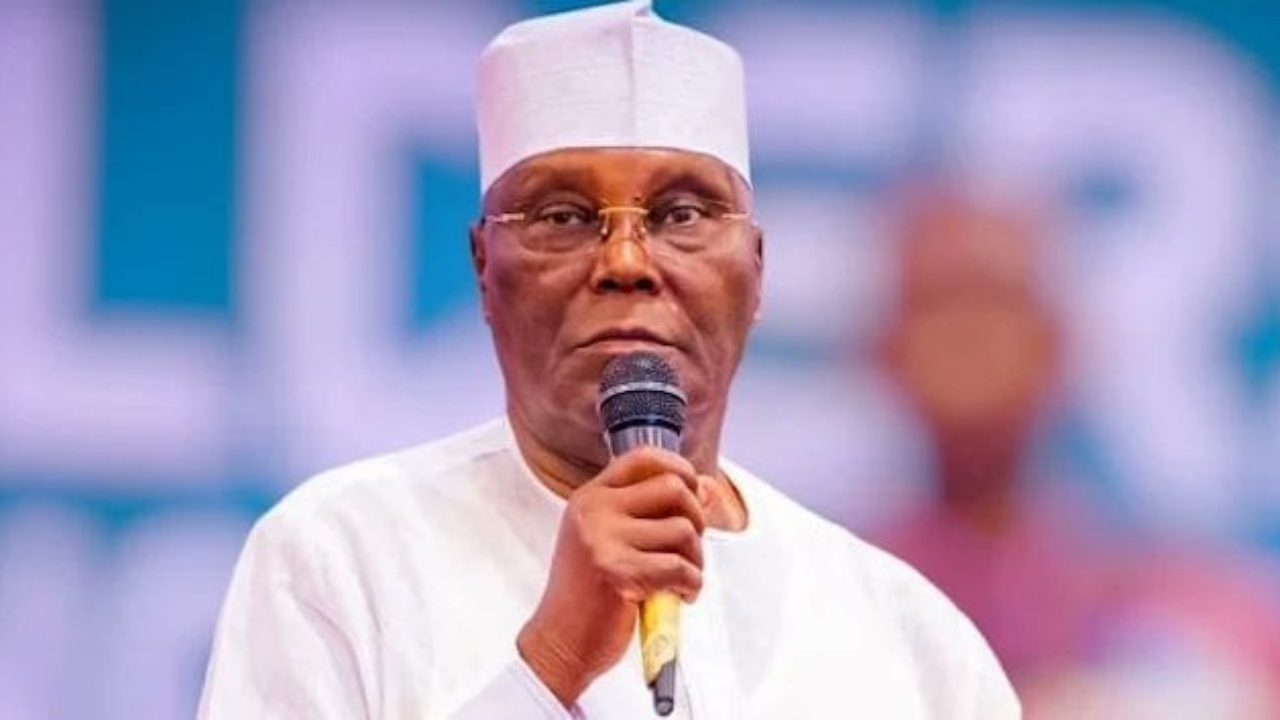
National News – Former Vice President Atiku Abubakar has expressed deep concern over the increasing poverty rate in Nigeria, following a recent World Bank report estimating that about 63 per cent of Nigerians are now living below the poverty line.
In a statement released in Abuja on Friday through his Senior Special Assistant on Public Communication, Phrank Shaibu, Atiku said the development reflects worsening economic hardship across the country and signals serious challenges in policy implementation.
He argued that poverty has continued to rise despite ongoing economic reforms, warning that the situation is affecting millions of households nationwide.
Atiku blamed the trend on key government economic decisions, including the removal of fuel subsidies and the devaluation of the naira, which he described as abrupt and poorly managed.
According to him, these policies have contributed to rising food prices, declining business activity, and reduced purchasing power among citizens.
The World Bank Nigeria Development Update, titled “Nigeria’s Tomorrow Must Start Today,” reported that poverty levels increased from 56 per cent in 2023 to 61 per cent in 2024, before rising further to 63 per cent in 2025.
The report also estimated that approximately 140 million Nigerians are now affected by poverty, despite signs of moderating inflation in recent months.
It noted that headline inflation dropped from 34.80 per cent in December 2024 to 15.15 per cent in December 2025, while food inflation also declined significantly.
However, the report stressed that prices remain high enough to weaken household income and worsen living conditions.
Atiku urged the government to adopt more structured reforms supported by strong social protection systems, job creation initiatives, and policies aimed at ensuring food security and economic stability.
He emphasized that economic reforms should translate into improved living standards rather than increased hardship.
He further called for leadership that prioritizes citizens’ welfare and sustainable growth, warning that failure to address the situation could deepen inequality and social pressure across the country.