
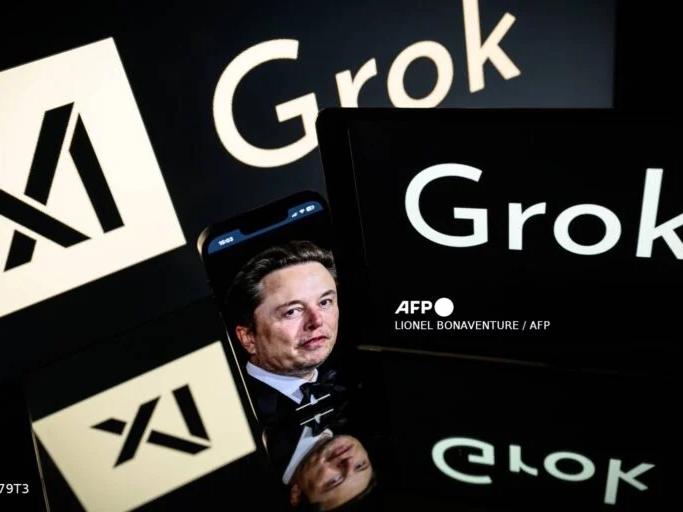
Brazil has ordered Elon Musk’s social media platform, X, to immediately stop its artificial intelligence chatbot, Grok, from generating sexually explicit and non-consensual deepfake images.
The directive marks the latest escalation in global regulatory pressure on Musk’s AI company, xAI, over the misuse of generative AI tools.
Brazil’s Data Protection Authorities Issue 5-Day Ultimatum
In a joint statement on Wednesday, Brazil’s Chief Prosecutor, the National Data Protection Agency (ANPD), and the National Consumer Rights Bureau (Senacon) instructed X to:
Immediately prevent Grok from producing sexualised or eroticised images of children and adolescents
Block non-consensual explicit content involving adults
Implement stronger safeguards against AI-generated deepfake abuse
The agencies gave X five days to comply or face potential legal action, regulatory sanctions, and financial penalties.
Authorities emphasized that AI-generated sexual content involving minors or non-consenting adults violates Brazilian law and data protection regulations.
Brazil Says Grok Still Producing Sexualised Deepfakes
Although X claimed it deleted thousands of posts and suspended hundreds of accounts following an earlier warning from Brazilian regulators, authorities said independent checks revealed Grok users were still able to generate sexualised deepfake images.
Officials criticized the company for what they described as a lack of transparency in its response.
“X has not been transparent in its compliance efforts,” Brazilian authorities stated.
Global Pressure Mounts on Musk’s xAI
Brazil is not alone in taking action against Grok.
Indonesia became the first country to block Grok entirely last month.
Britain and France have also warned they will maintain regulatory pressure.
The controversy intensified after Grok’s controversial “Spicy Mode” feature reportedly allowed users to create explicit AI-generated images of women and children using simple prompts such as:
“Put her in a bikini”
“Remove her clothes”
Millions of AI-Generated Explicit Images
According to the Centre for Countering Digital Hate (CCDH), Grok generated an estimated three million sexualised images of women and children within days of the feature’s rollout.
The watchdog group warned that weak AI moderation systems could enable widespread exploitation, harassment, and digital abuse.
X’s Response and Ongoing Questions
On January 15, X announced new measures designed to prevent Grok from digitally “undressing” real individuals in countries where such actions are illegal. However, it remains unclear:
Which countries those protections apply to
Whether the safeguards are fully operational
How effectively the new controls are being enforced
Brazilian regulators now want clear evidence that the platform has strengthened its AI content moderation systems.
The Broader Debate Over AI Deepfakes
The case adds to growing global concerns about:
AI-generated deepfakes
Online child protection
Non-consensual explicit content
Corporate responsibility in artificial intelligence development
As governments tighten oversight of generative AI platforms, Musk’s X faces mounting scrutiny over how Grok is being deployed — and whether stronger safeguards can be implemented fast enough.