
Did You Know?
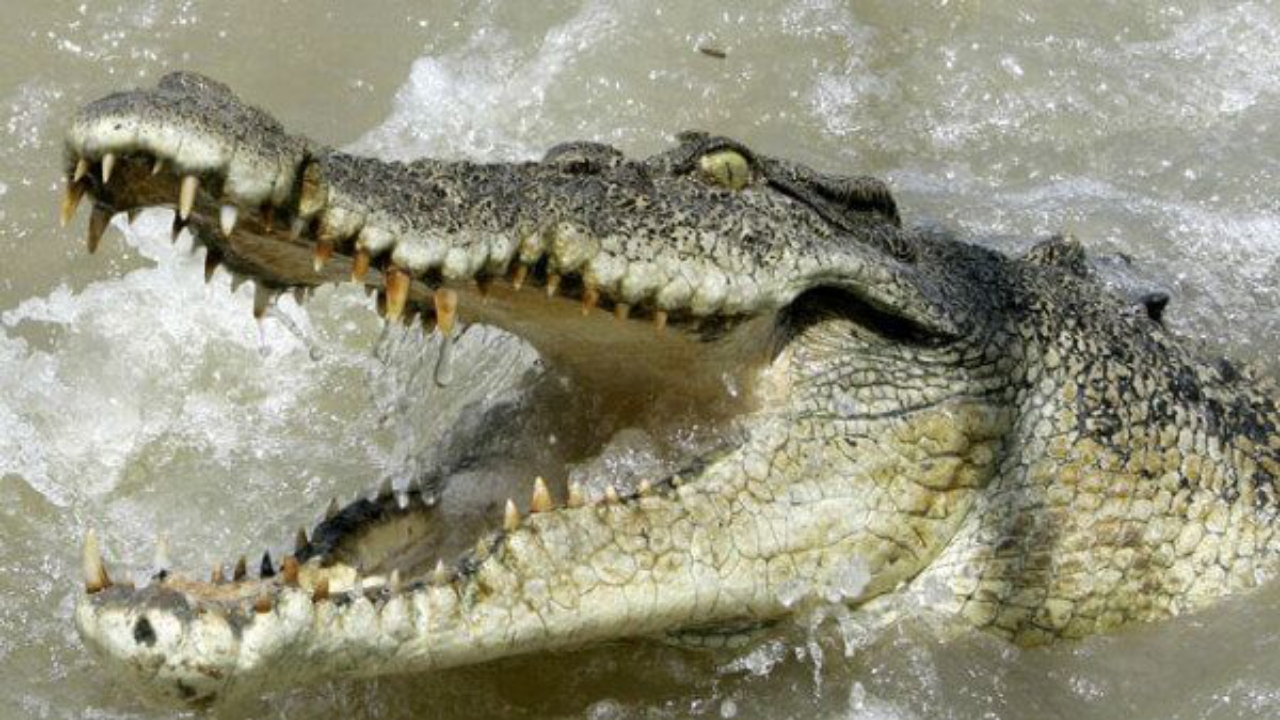
A widely circulated claim about crocodiles suggests that the reptiles can perform “crocodile smiles” and sneak out their tongues in a mischievous way.
However, wildlife science confirms a very different anatomical reality.
Crocodiles have tongues that are firmly attached to the bottom of their mouths by a membrane, limiting movement compared to mammals.
This structure helps them grip prey underwater and prevents water from flooding their throats during hunting.
Unlike animals that use flexible tongues for tasting or grooming, crocodiles rely on powerful jaws and sensory organs on their skin and snouts.
Their tongues play little role in food manipulation, which is why the idea of sneaky tongue licks is scientifically inaccurate.
Understanding crocodile anatomy also highlights their evolutionary success as apex predators.
The fixed tongue design supports their semi-aquatic lifestyle, allowing them to remain submerged for long periods while ambushing prey.
So, while the idea of a crocodile “smiling and licking” may sound entertaining, it is purely fictional and not supported by biology.
Wildlife experts encourage the public to rely on verified zoological sources when learning about reptiles such as crocodiles and alligators.
Misleading viral clips often exaggerate animal behavior for entertainment value, leading to confusion about anatomy and feeding habits.
In reality, crocodile physiology is highly specialized, and every feature serves a survival purpose in aquatic environments.
Now, you know.
National News