By Our Correspondent
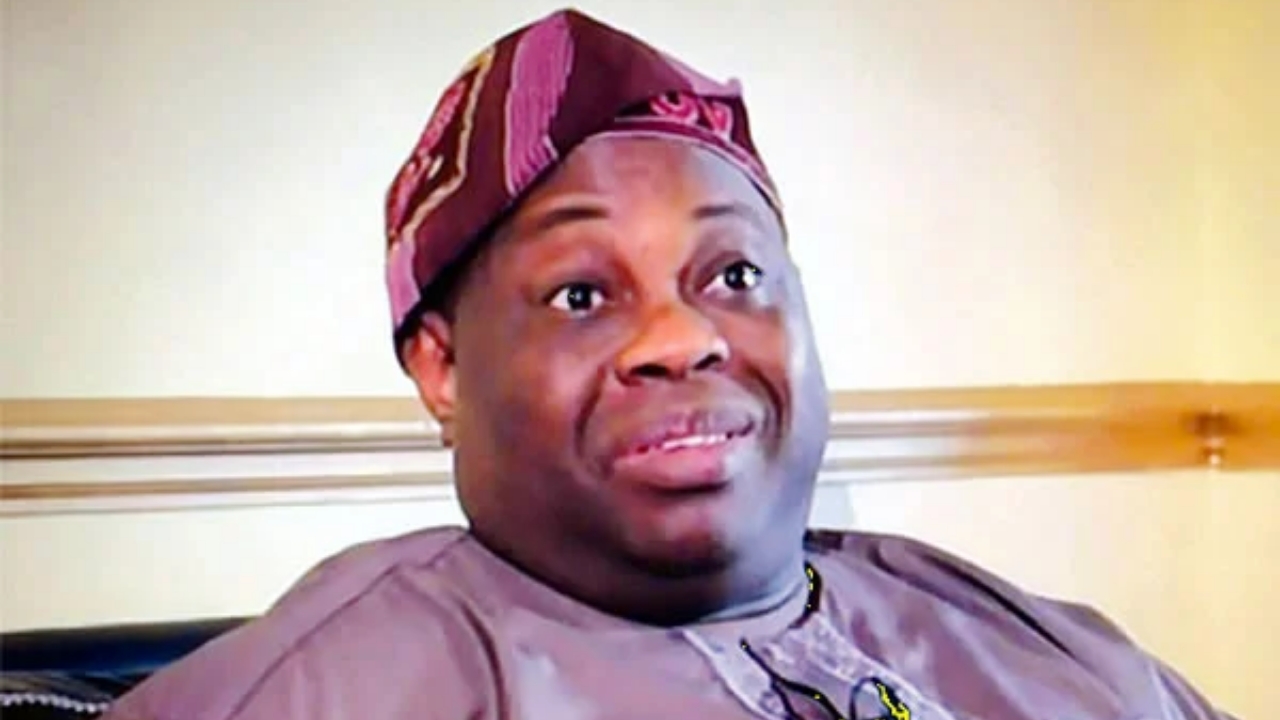
National News – Veteran journalist and politician Dele Momodu has cautioned against moves that could turn Nigeria into a one-party state, warning that such a development would weaken democratic competition and threaten the country’s political balance.
Momodu, a chieftain of the African Democratic Congress (ADC), made the remarks during an appearance on Arise Television’s Morning Show.
He argued that the ruling All Progressives Congress (APC) may have miscalculated the evolving political landscape by assuming that major opposition figures would remain divided.
According to him, the expectation that prominent politicians such as Atiku Abubakar, Peter Obi, and Rabiu Kwankwaso would never work together could prove to be a costly political misjudgment.
He noted that political realities often shift, particularly when opposition actors perceive a threat to democratic competition.
Momodu also criticised what he described as attempts to weaken opposition parties through internal divisions.
He pointed to developments within the Peoples Democratic Party (PDP), suggesting that the quick recognition of rival factions could be part of a broader political strategy aimed at destabilising the opposition.
He further expressed concern about the growing influence of political interests in institutions that play critical roles in the democratic process.
According to him, the increasing attention directed at the judiciary raises questions about its independence in electoral matters.
The veteran publisher also highlighted the social and economic realities facing many Nigerians, arguing that widespread poverty can create conditions that make citizens vulnerable to political manipulation.
He warned that when economic hardship is widespread, individuals may become more susceptible to political inducements.
Momodu maintained that concentrating political power in a single party or leader could have long-term consequences for Nigeria’s democratic structure.
He stressed that the country’s political diversity and complex electoral environment make attempts at establishing a dominant one-party system difficult to sustain.
He added that growing discussions among opposition figures indicate that political alliances could become stronger as parties respond to perceived threats to democratic space.
According to him, Nigeria’s democratic system thrives on competition, and any effort to suppress that competition would ultimately fail.