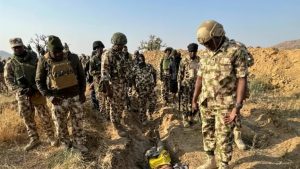
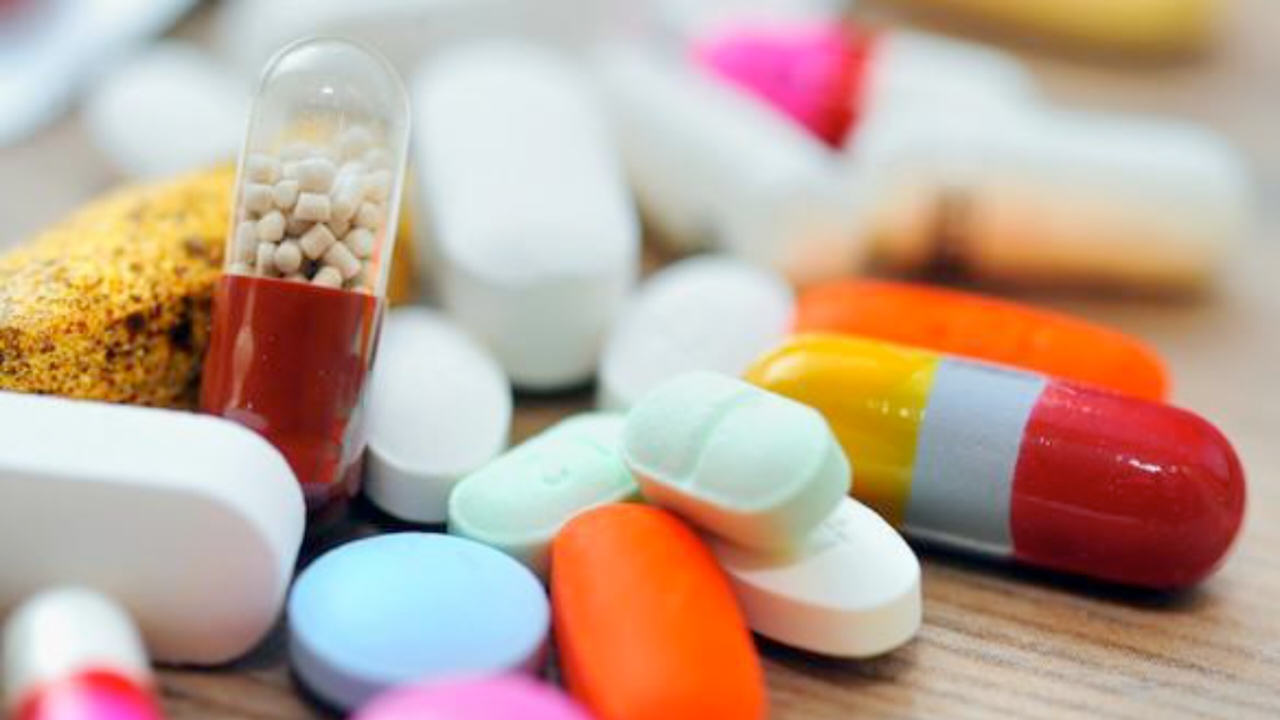
In a quiet corner of Apapa, Lagos, lies a chilling reminder of Nigeria’s ongoing war against counterfeit drugs. Inside an uncompleted building, cartons of fake medicines were piled to the ceiling — banned anti-malarials, expired antibiotics, and unregistered injections worth more than ₦3 billion.
When operatives of the National Agency for Food and Drug Administration and Control (NAFDAC) raided the facility earlier this month, they found more than contraband — they found evidence of a thriving underground network that trades in death disguised as healing.
The Unseen Epidemic
For millions of Nigerians, fake medicines have become a silent epidemic — one that kills quietly and often goes unreported. Every counterfeit tablet, capsule, or injection sold in open markets represents another life hanging in the balance.
“I bought antibiotics from a local vendor last year,” recalls Tunde, a bus driver in Ikeja. “My infection got worse. When I went to a clinic, the nurse told me the drugs were fake. I could have died.”
Stories like Tunde’s are not rare; they echo across Nigeria’s urban centres and rural communities.
A National Shame Uncovered
The recent NAFDAC raid in Apapa is not an isolated victory. It follows a pattern of shocking discoveries — from fake drug factories in Onitsha and Aba to container loads of banned Tramadol smuggled through Lagos ports.
In 2025 alone, NAFDAC destroyed counterfeit medicines and unapproved products valued at over ₦1 trillion, including toxic painkillers and banned substances such as Analgin and high-dose Tramadol (225mg).
Yet, despite such decisive actions, the counterfeit trade persists — shapeshifting, expanding, and adapting faster than regulators can respond.
The Numbers Behind the Nightmare
The World Health Organization (WHO) estimates that one in every ten medicines in developing countries is substandard or falsified. Across sub-Saharan Africa, fake drugs kill up to 500,000 people each year.
Of these deaths, about 267,000 are linked to counterfeit malaria treatments, while fake antibiotics used for pneumonia claim another 169,000 children annually.
In Nigeria, counterfeit antimalarials alone are estimated to kill over 12,000 people every year.
Imports, Informality, and Impunity
Nigeria’s pharmaceutical sector is heavily import-dependent. About 70 percent of all drugs sold in the country come from abroad — mostly from India, China, Pakistan, Egypt, and Indonesia.
This dependence, experts say, creates loopholes that smugglers exploit. Unregulated imports flood open-air drug markets where medicines are sold like groceries.
“We’ve turned life-saving products into street commodities,” says a pharmacist in Yaba. “It’s an ethical disaster.”
Open Drug Markets: The Epicentre of Risk
An exposé published in The Lancet titled “Curbing the Circulation of Counterfeit Medicines in Nigeria” points to the open drug markets as the breeding ground of the crisis.
From Onitsha’s Ogbo-Ogwu to Aba’s Tenant Road, thousands of traders sell medicines in the open air — some genuine, most not.
These markets, researchers note, are not just local hazards but continental hubs for counterfeit distribution.
“As long as open drug markets exist,” the report warns, “the war against fake medicines will remain unwinnable.”
Lives Lost, Trust Broken
For victims, statistics mean little compared to the heartbreak. Mrs. Nnenna Okorie from Abia State still grieves the loss of her 8-year-old son, Chijioke, who died of malaria complications after being treated with fake medication bought from a roadside stall.
“I thought I was doing the right thing,” she said quietly. “We didn’t know the drugs were fake until the doctor showed us.”
Her story mirrors thousands of others — families betrayed by a system unable to protect them.
A Fight on Many Fronts
Despite the enormity of the problem, NAFDAC continues to wage an uphill battle. The agency has increased surveillance at ports, intensified raids, and partnered with international organizations to trace supply chains.
But with limited staff, porous borders, and weak inter-agency collaboration, enforcement remains patchy.
“Fake drug syndicates are smarter now,” said a senior NAFDAC investigator. “They use e-commerce, encrypted messaging, and private courier networks. The war has gone digital.”
Experts Demand Systemic Reform
Public health experts insist that Nigeria’s drug distribution system must be completely overhauled.
They call for the establishment of strictly regulated wholesale drug centres, tougher penalties for offenders, and stronger collaboration between customs, police, and health regulators.
They also want government-backed consumer education campaigns to help Nigerians verify their medicines using mobile authentication systems.
The Human Cost of Inaction
Beyond the health impact, the counterfeit drug trade drains billions from the economy and undermines Nigeria’s reputation as Africa’s pharmaceutical hub.
“It’s not just a crime — it’s an act of mass murder,” says Dr. Yusuf Lawal, a public health analyst. “Every fake drug sold is a potential death sentence.”
Hope in Vigilance
There is some light on the horizon. New technology-based traceability systems are being piloted to help consumers verify drug authenticity instantly. Civil society groups and the media are also amplifying awareness.
Still, for the millions who rely on cheap street medicines, hope is fragile. Until fake drug cartels are dismantled, Nigeria’s health system will remain on life support.
The Final Word
The merchants of death must be named, shamed, and prosecuted. Anything less is complicity.
Nigeria cannot afford to lose more lives to greed and neglect.
The time for half-measures has passed. This war must be fought — and won.