
The Independent National Electoral Commission (INEC) has underscored the importance of efficient election logistics ahead of the Federal Capital Territory (FCT) Council Election scheduled for February 21, 2026.
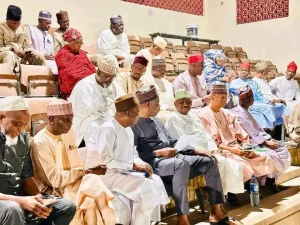
During a strategic engagement with major transport stakeholders — including the National Union of Road Transport Workers (NURTW), the National Association of Road Transport Owners (NARTO) and the Maritime Workers Union of Nigeria (MWUN) — INEC stressed that timely vehicle deployment is central to conducting free, fair and credible elections.
INEC Chairman, Joash Amupitan (SAN), described the commission’s long-standing partnership with transport unions as vital to electoral success.
“An election can only be as good as its logistics,” he stated, noting that the success of the FCT poll will largely depend on reliable transportation of sensitive and non-sensitive materials.
Over 1,132 Vehicles Required for FCT Election
INEC disclosed that it plans to hire 1,132 vehicles from transport unions for the FCT council election — a scale comparable to a state-level election.
Key highlights of the 2026 FCT poll:
Over 570 chairmanship and vice-chairmanship candidates
Numerous councillorship contests across six Area Councils
Deployment of materials from Registration Area Centres (RACs) to polling units
INEC noted that under Nigeria’s Constitution, the FCT holds the status of a state, making logistics planning even more critical.
Lessons from Anambra Election Logistics Challenges
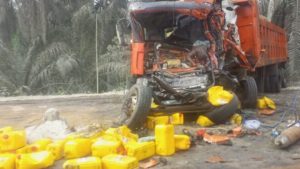
INEC raised concerns about previous logistical lapses, particularly during the Anambra State election, where faulty vehicles nearly disrupted operations.
According to Amupitan, some vehicles supplied by unions were unserviceable, forcing the commission to make emergency transport arrangements outside the state.
“After giving their word, what we got was not in line with the Memorandum of Understanding (MoU),” he said.
INEC warned against operational lapses, stressing that vehicles must be deployed to RACs a day before the election to ensure early movement of materials on election morning.
Early Deployment Directive for February 21 Poll
Under the MoU agreement:
Vehicles must be stationed at RACs by Friday.
Drivers must remain on standby for early dispatch.
Strict compliance with logistics timelines is mandatory.
INEC made it clear that excuses — deliberate or otherwise — would not be tolerated.
Transport Unions Assure INEC of Improved Logistics
Responding on behalf of the NURTW, Mercy Ibeh, Director of Legal, acknowledged past challenges and assured the commission that lessons had been learned.
She said sustained engagement with INEC and FCT authorities had produced practical solutions to recurring issues.
Similarly, FCT NURTW Chairman, Abdullahi Dauda, pledged full cooperation and better coordination among members assigned to election duties.
“With the plan we have on the ground, I am definitely sure the FCT election is going to be different,” Dauda assured.
Why Logistics Will Determine FCT Election Success
INEC reiterated that polling units remain the foundation of votes, and efficient logistics is the backbone of credible elections. The commission’s proactive engagement with transport unions signals a deliberate effort to avoid past failures and guarantee a smooth electoral process in the FCT.
With over 1,100 vehicles required and hundreds of candidates contesting, the February 21, 2026 FCT Council Election will test Nigeria’s election logistics framework — and INEC appears determined not to leave anything to chance.