By Our Correspondent
National News – The Federal Government and Nigeria’s power generation companies have disagreed over the reconciliation of debts in the electricity sector, with both sides presenting conflicting figures about the actual amount owed.
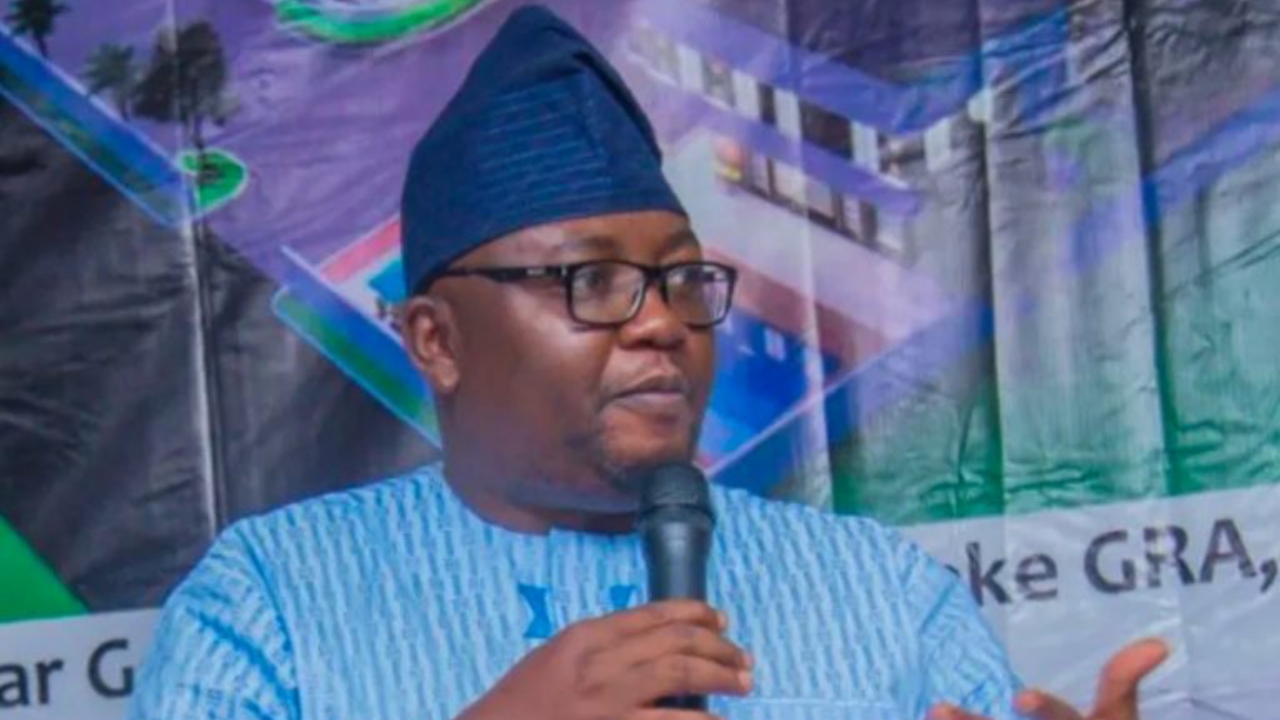
The Minister of Power, Adebayo Adelabu, disclosed the government’s position during a press briefing in Abuja on Friday, explaining that ongoing reconciliation suggests the debt to GenCos may drop to about ₦4 trillion, rather than the ₦6.3 trillion widely reported in industry discussions.
According to Adelabu, the dispute centres on how liabilities in Nigeria’s electricity market are calculated and verified.
He explained that while earlier estimates placed the government’s debt at ₦4 trillion as of the end of 2024, an audit later reduced the verified amount to ₦2.8 trillion due to adjustments linked to interest charges and foreign exchange components embedded in the claims.
The minister said the reconciliation process involves reviewing claims submitted by power generation companies and determining which components are valid.
He added that over 60 percent of the outstanding obligations relate to gas suppliers, whose products are critical to electricity generation in Nigeria.
Adelabu also apologised to Nigerians for the persistent power outages affecting homes and businesses across the country.
However, the Association of Power Generation Companies (APGC) rejected the government’s position, arguing that the figures being quoted were not jointly verified by all stakeholders.
The Executive Secretary of the association, Joy Ogaji, said the last reconciliation meeting involving all parties occurred in March 2025, raising questions about how the government arrived at its latest estimates.
Ogaji explained that GenCos’ claims include several contractual cost components such as unpaid invoices for electricity generated since 2015, capacity payments, foreign exchange differentials, and supplementary costs arising from frequent plant start-ups and shutdowns.
She also pointed to additional expenses linked to ancillary services like spinning reserve and black-start capabilities, which power plants provide to stabilise the national grid.
The disagreement highlights ongoing liquidity challenges in Nigeria’s power sector and could trigger a prolonged dispute between operators and the Federal Government.
Analysts say resolving the debt reconciliation process transparently is crucial to restoring investor confidence and improving electricity supply nationwide.