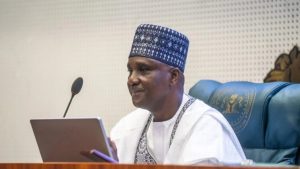
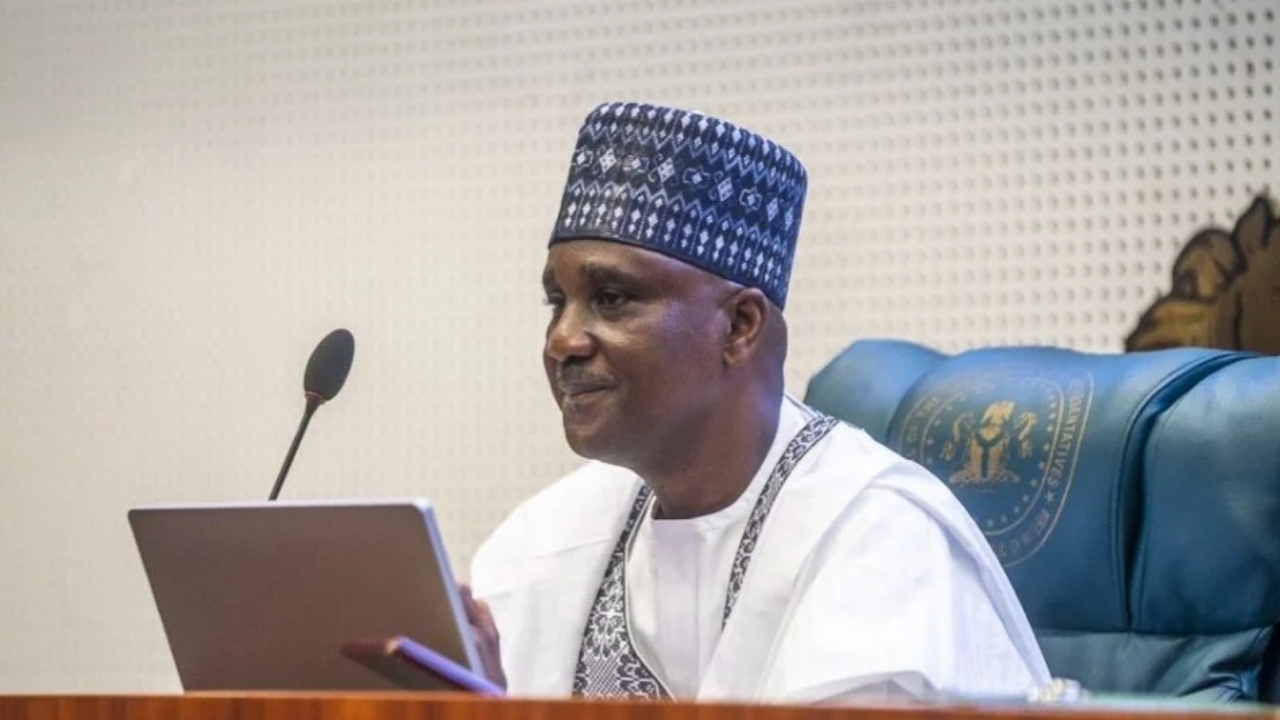
The Speaker of the House of Representatives, Tajudeen Abbas, has explained why Nigeria’s National Assembly adopted a hybrid system of electronic and manual transmission of election results in the amended Electoral Act (Nigeria).
According to Abbas, the decision aims to prevent voter disenfranchisement, increase participation, and improve the credibility of elections ahead of the 2027 general elections in Nigeria.
He made the remarks while receiving Félix Costales, the Ambassador of Spain to Nigeria, during a diplomatic visit at the National Assembly complex in Abuja.
Why Nigeria Chose a Hybrid Election Result Transmission System
Abbas said the combination of electronic and manual transmission of election results is a practical approach considering Nigeria’s infrastructure challenges, particularly limited internet coverage and unstable electricity supply.
He cited data from the Nigerian Communications Commission, which shows that about 40 percent of Nigeria’s territory still lacks adequate internet access.
Because of these limitations, relying solely on real-time electronic transmission of election results could exclude millions of voters.
According to Abbas, adopting only digital transmission might reduce participation because many communities lack reliable connectivity.
“Where electronic transmission is possible, it will be used. Where infrastructure is limited, manual transmission will apply,” he explained.
Addressing Voter Apathy in Nigeria
The Speaker also highlighted Nigeria’s persistent voter apathy problem. Despite millions of registered voters, only about 12 to 15 percent typically participate in elections.
He warned that a purely electronic system could worsen this situation by disenfranchising voters in underserved areas.
Electoral Reform Ahead of 2027 Elections
President Bola Ahmed Tinubu recently signed the amended Electoral Act into law as part of broader electoral reforms aimed at strengthening transparency and inclusiveness.
The updated law authorises both electronic and manual result transmission, depending on infrastructure availability and operational feasibility.
Supporters describe the hybrid model as pragmatic and realistic, while critics worry it could weaken transparency if not properly monitored.
However, Abbas stressed that Nigeria’s democracy will continue to improve gradually, noting that reforms will evolve as infrastructure and technology advance.