
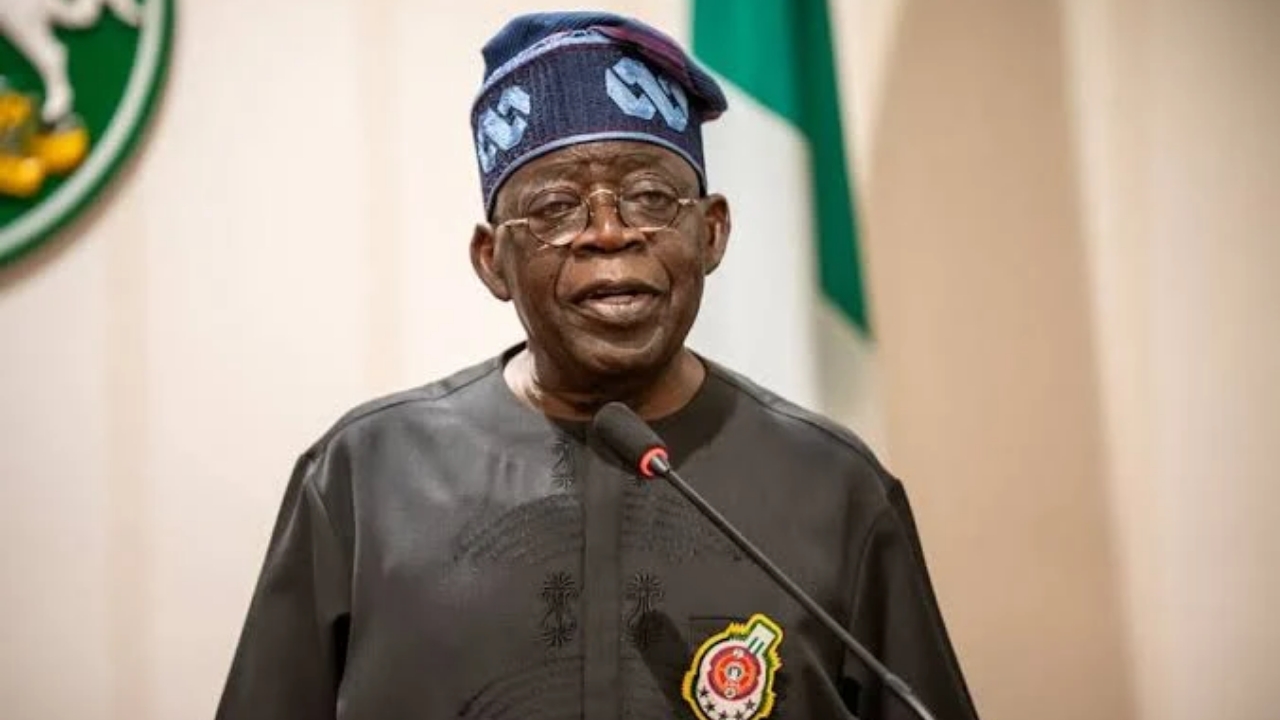
The Federal Government under Bola Ahmed Tinubu has revised the implementation structure of Executive Order 9 (2026) on oil revenue remittances, introducing a modified framework that allows the Nigerian National Petroleum Company Limited (NNPC) to continue commercialising crude oil before remitting proceeds to the Federation Account.
The adjustment emerged after high-level deliberations by a government implementation committee reviewing operational challenges associated with the order.
Initially, the directive required all oil-related revenues—royalties, taxes, profit oil, and gas earnings—to be paid directly into the Federation Account.
However, officials involved in the discussions explained that royalties and taxes are often paid in crude oil barrels rather than cash, making immediate remittance impossible without first selling the oil.
Under the revised arrangement, the NNPC will lift and sell crude oil on behalf of the government, then remit the proceeds into a newly created account domiciled at the Central Bank of Nigeria (CBN).
The account will be supervised by the Office of the Accountant-General of the Federation.
Oil Revenue Reform and Fiscal Transparency
President Tinubu introduced the executive order to improve oil revenue transparency, eliminate excessive deductions, and increase funds flowing into Nigeria’s Federation Account.
The directive also abolished the 30% Frontier Exploration Fund created under the Petroleum Industry Act and ended the 30% management fee previously retained by the national oil company on profit oil and gas.
Government officials believe the policy could increase revenue available for federal, state, and local governments across Nigeria.
Concerns Over Industry Operations
Despite the reform goals, some industry stakeholders have expressed concern that tighter government control over oil revenue could weaken the commercial independence granted to the NNPC by the Petroleum Industry Act.
Experts warn the funding model may resemble the pre-PIA system, when the national oil company depended heavily on government cash releases for operations.
During that period, Nigeria accumulated more than $6 billion in cash-call arrears owed to oil partners.
There are also concerns that removing the frontier exploration fund could reduce investment in discovering new oil reserves, potentially affecting Nigeria’s long-term energy security.
Transition Guidelines Expected
According to the Minister of Finance, Wale Edun, the government will implement the reform gradually to avoid disrupting existing contracts and investor confidence.
A technical subcommittee has been tasked with developing detailed implementation guidelines within three weeks, ensuring a smooth transition while maintaining stability in Nigeria’s oil and gas sector.