The Independent National Electoral Commission (INEC) has announced plans to organise a nationwide mock presidential election ahead of the 2027 general elections in Nigeria.
The exercise is designed to test the commission’s result-transmission technology and election infrastructure to prevent technical failures experienced during previous polls.
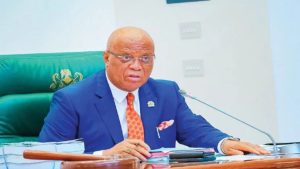
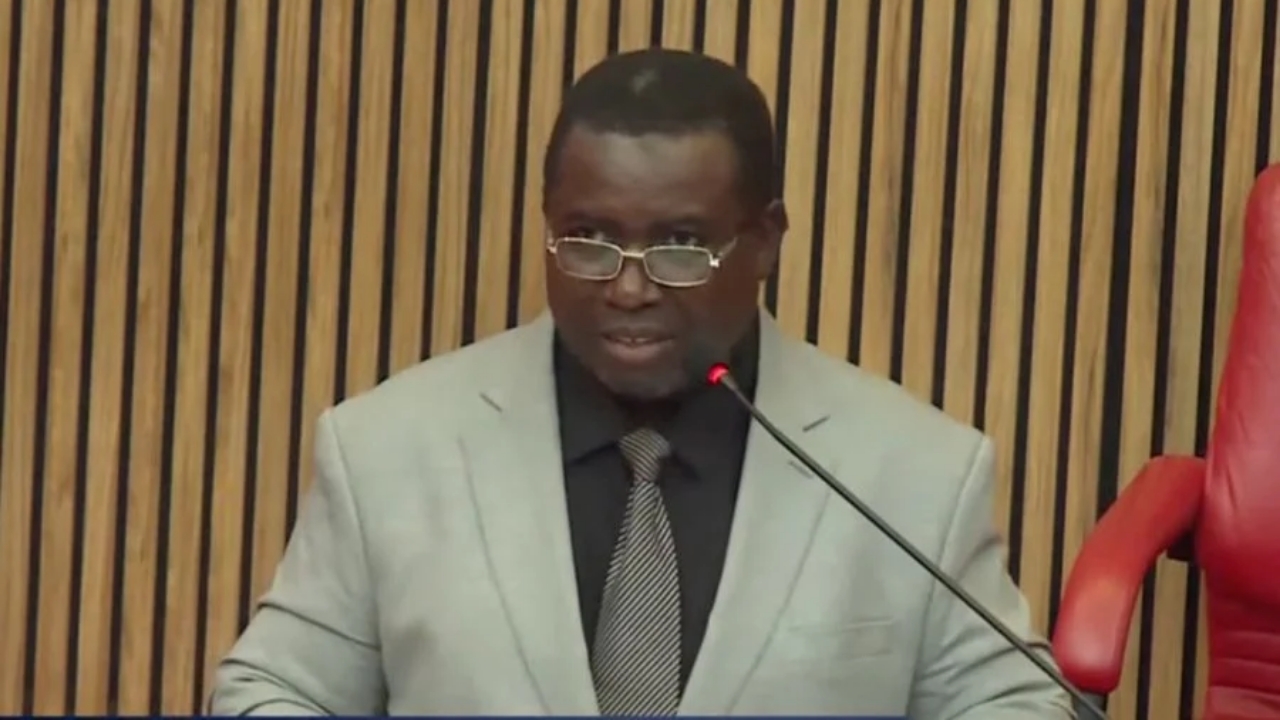
INEC Chairman, Professor Joash Amupitan, revealed the plan during a Citizens’ Townhall on the Electoral Act 2026 held in Abuja.
According to him, the mock exercise will help the electoral body evaluate how effectively its systems can transmit election results across all states before the actual presidential election.
Amupitan emphasised that modern elections depend heavily on technology, digital infrastructure, and secure result transmission systems.
He explained that although the Bimodal Voter Accreditation System (BVAS) was tested during the Osun and Ekiti governorship elections before the 2023 general elections, the nationwide presidential election exposed gaps in large-scale testing.
He noted that the planned mock presidential poll would simulate real election conditions across Nigeria, ensuring the system can handle nationwide result transmission without failure.
INEC recently revised the timetable for the 2027 general elections. Under the updated schedule, the Presidential and National Assembly elections will hold on January 16, 2027, while the Governorship and State House of Assembly elections are set for February 6, 2027.
The INEC chairman expressed confidence that technical glitches experienced in the 2023 presidential election would not occur again.
According to him, the commission has improved its systems and strengthened testing procedures.
Amupitan also clarified that provisions in the Electoral Act 2026 allowing manual result collation are only intended as a backup option if electronic transmission encounters network challenges.
However, he stressed that INEC’s goal is to ensure the electronic system functions reliably nationwide.
He further assured Nigerians that the commission is committed to delivering what he described as Nigeria’s most credible election yet.
While acknowledging that no electoral process can be completely perfect, Amupitan said INEC is working to achieve a near-perfect election in 2027 through improved logistics, better result management, and stronger technological infrastructure.
According to him, building public trust in the electoral process is essential for Nigeria’s democratic development and national progress.