The Nigerian National Petroleum Company Limited has stepped up efforts to attract investments in compressed natural gas (CNG) infrastructure ahead of the July 2026 commissioning of the Ajaokuta–Gwagwalada segment of the Ajaokuta–Kaduna–Kano Gas Pipeline.
The 614-kilometre AKK Gas Pipeline is central to Nigeria’s gas expansion strategy, designed to increase domestic gas supply, strengthen power generation, and accelerate industrial growth across northern Nigeria.
First gas delivery from the Ajaokuta–Gwagwalada corridor is expected to unlock new opportunities in manufacturing, transportation, and energy distribution.
Speaking at a stakeholders’ workshop on mini-LNG and L-CNG infrastructure in Abuja, NNPC’s Executive Vice President for Gas, Power and New Energy, Olalekan Ogunleye, said Nigeria has officially transitioned from an oil-focused economy to a “gas-first nation.”
The shift aligns with the Decade of Gas agenda and long-term energy security goals.
Nigeria currently holds over 210 trillion cubic feet of proven gas reserves.
NNPC aims to scale national gas production to 10 billion cubic feet per day by 2027 and 12 billion cubic feet per day by 2030.
Officials say these targets are critical to supporting economic growth for a population exceeding 230 million.
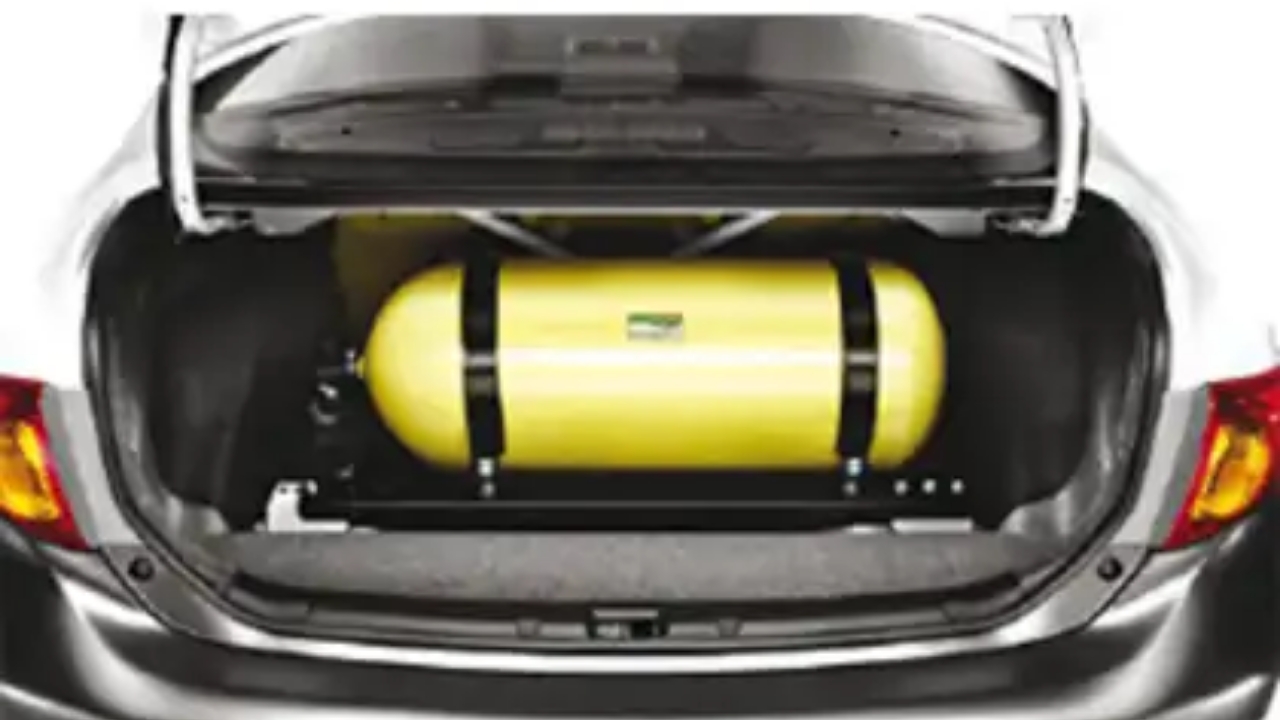
The CNG market has already attracted more than $200 million in private investment commitments, with over 300 conversion centres nationwide.
The national target is one million CNG vehicle conversions by 2027, reducing fuel imports, cutting transport costs, and conserving foreign exchange.
The proposed Gwagwalada Mini-LNG and L-CNG facility will serve as a mother station, supplying mobile refuelling units and retail outlets.
Positioned at the AKK Abuja take-off node, the project is expected to support fleet operators, industrial clusters, and logistics hubs.
Industry stakeholders say expanded gas infrastructure, including virtual pipeline systems and mini-LNG facilities, will reduce diesel dependence, lower emissions by up to 25 percent, and strengthen Nigeria’s clean energy transition.