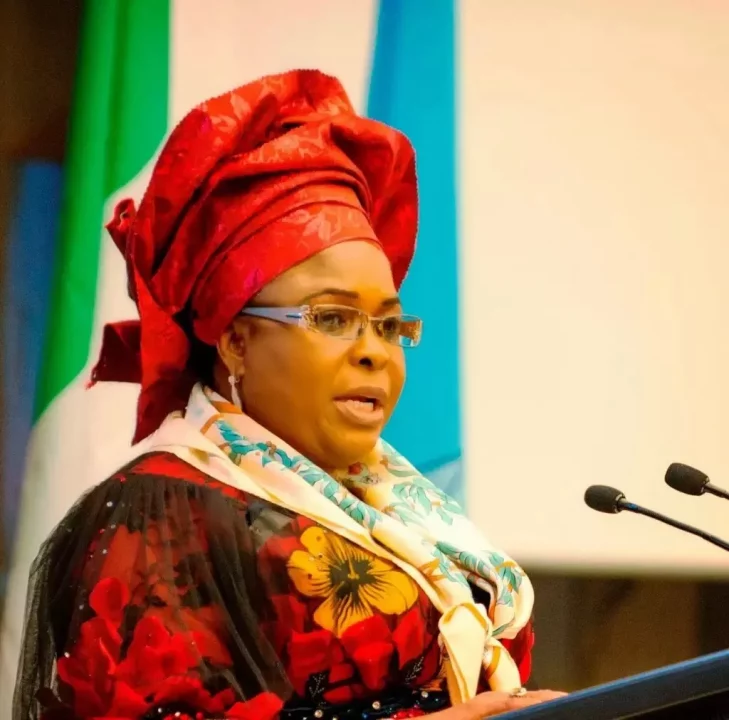
A debate over women’s political representation in Nigeria has emerged between former First Lady Patience Jonathan and Douye Diri, the Governor of Bayelsa State, regarding how best to increase women’s participation in governance.
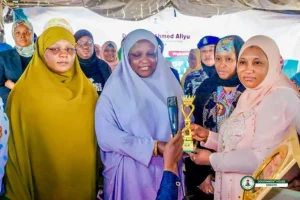
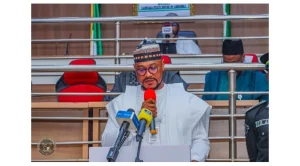
Both leaders spoke during a women’s conference organised by the Pan Niger Delta Forum (PANDEF) in Yenagoa, where they presented different approaches to achieving gender inclusion in Nigerian politics.
Governor Diri argued that women should seek equal participation in politics rather than depend on special legislative seats reserved specifically for them.
According to him, creating special seats could unintentionally portray women as second-class citizens rather than equal competitors in the political arena.
He noted that many developed democracies do not allocate special parliamentary seats for women but instead allow them to compete freely within the political system.
The governor stressed that Nigerian women are highly educated and capable of winning political positions without special concessions.
Diri also highlighted efforts by his administration to increase female participation in governance in Bayelsa State.
However, he admitted that despite attempts to encourage more women to contest elections, only a few secured seats in the state legislature during the last electoral cycle.
In contrast, Patience Jonathan strongly supported legislative backing for the 35 percent affirmative action policy for women in Nigeria.
She argued that without a legal framework mandating women’s representation, progress toward gender equality in politics would remain uncertain.
According to the former First Lady, passing laws to reserve seats for women would guarantee consistent representation regardless of changes in government or political leadership.
Jonathan further emphasized that political parties play a critical role in determining access to power.
She urged parties to ensure that at least 35 percent of their leadership and candidate positions are allocated to women, describing political parties as the “gatekeepers” of political authority.
The conference also featured remarks from PANDEF’s women leadership, encouraging women across the Niger Delta region to acquire education, political experience, and leadership skills necessary for greater involvement in governance and policy-making.
The discussion reflects the ongoing national debate over how Nigeria can effectively improve women’s representation in political leadership.