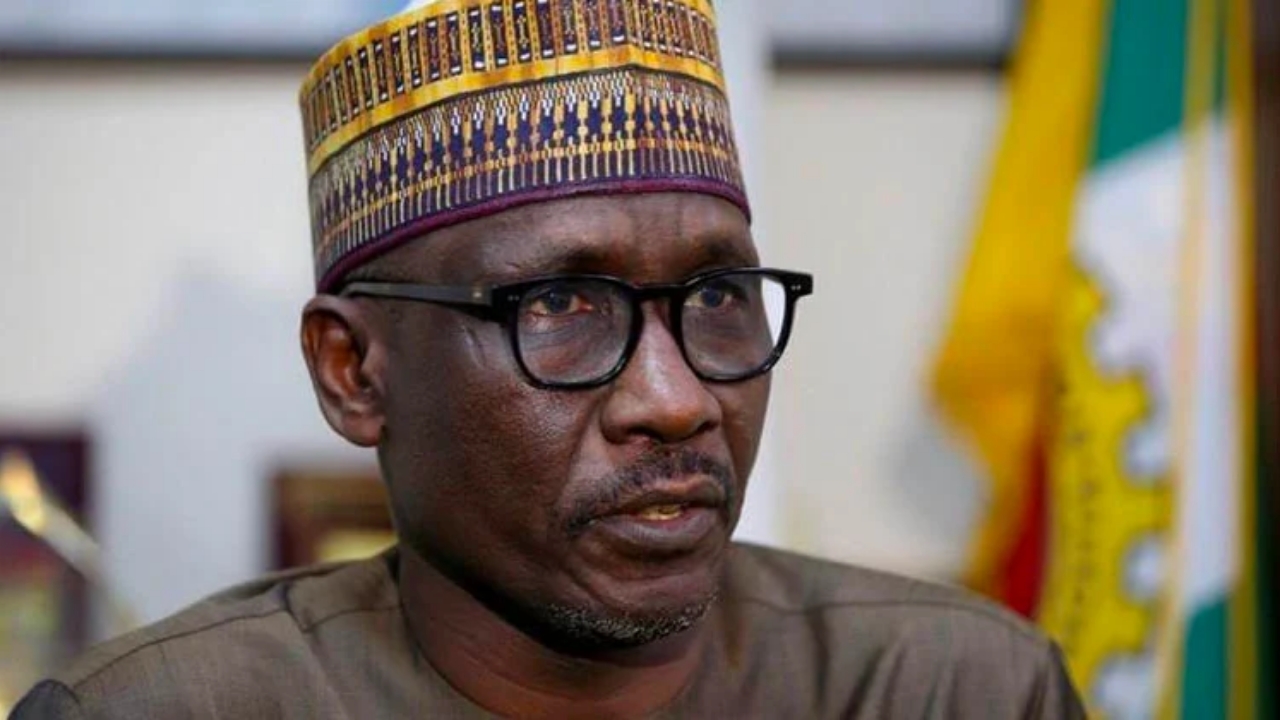
Nigeria’s Senate has summoned former Nigerian National Petroleum Company Limited chief executive, Mele Kyari, over alleged financial discrepancies totaling ₦210 trillion uncovered in audit reports covering 2017 to 2023.
The Senate committee investigating the financial records of Nigerian National Petroleum Company Limited said the former management team must explain the massive figures flagged in the company’s audited accounts.
The committee warned that arrest warrants could be issued if the invited officials fail to appear when scheduled.
Also summoned are former Chief Financial Officer Umar Isa and former Group General Manager of the National Petroleum Investment Management Services (NAPIMS), Bala Wunti.
The committee directed that they appear alongside the current NNPC leadership and the external auditors involved during the period under review.
Senate Questions ₦210 Trillion in NNPC Accounts
According to Senator Aliyu Wadada, who chairs the investigative panel, the Senate identified two major unresolved figures in the audit reports.
The first is ₦103 trillion, which NNPC claimed represented cumulative expenditures made by joint venture partners through JV cash calls since 2017.
Lawmakers rejected this explanation, stating the amount remains insufficiently accounted for.
The second figure is ₦107 trillion recorded in NNPC’s financial statements as subsidy-related receivables and other debts allegedly owed by banks and several entities.
Combined, the Senate says the oil company must fully explain the ₦210 trillion transactions and provide documentation to justify the expenditures.
Fresh Forensic Audit Ordered
To ensure transparency, the committee recommended that the Auditor-General of the Federation conduct a comprehensive forensic audit of NNPC’s financial statements covering the six-year period.
Lawmakers also questioned the reported ₦5 billion spent on rebranding the former Nigerian National Petroleum Corporation into the Nigerian National Petroleum Company Limited.
The committee described the amount as excessive and demanded a detailed explanation.
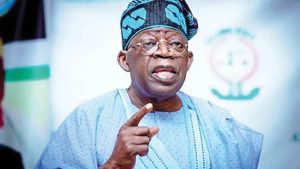
Despite the ongoing probe, the Senate reiterated its support for the administration of Bola Tinubu, stating that the investigation aligns with efforts to strengthen accountability and transparency in the management of Nigeria’s oil revenues.
The outcome of the probe could have significant implications for the country’s petroleum sector and ongoing reforms aimed at improving governance in Nigeria’s state-owned oil industry.