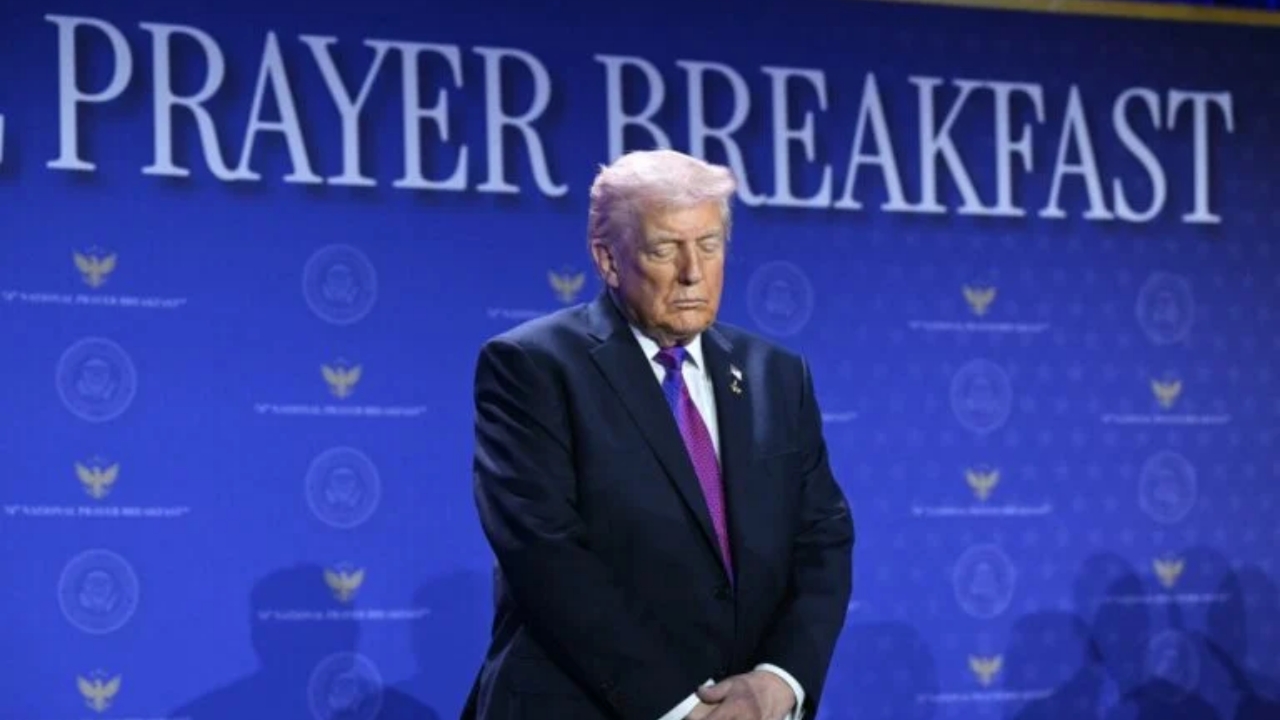
President Donald Trump defended his administration’s recent military strikes on Iran, asserting the actions were based on U.S. national security priorities rather than Israeli influence.
The move comes amid conflicting statements from top officials and growing debate over Congress’s role in authorizing military action.
Secretary of State Marco Rubio sparked controversy when he indicated that the strikes were preemptive, responding to a potential Israeli action that could have threatened U.S. forces.
“We knew an Israeli operation could lead to attacks on Americans, so we acted preemptively,” Rubio told reporters.
His comments alarmed Democrats and some MAGA supporters who insist only Congress can declare war.
White House Press Secretary Karoline Leavitt clarified on X that Trump authorized the strikes independently.
At an Oval Office meeting with Germany’s chancellor, Trump explained: “Based on the negotiations, Iran was likely to attack first. I didn’t want that to happen, so I acted decisively.”
Critics argue the messaging is unclear and that Trump risks escalating a conflict without a clear endgame.
Observers also note the U.S. President met recently with Israeli Prime Minister Benjamin Netanyahu, who has repeatedly urged a hard line on Iran.
Republican allies, including Senator Tom Cotton, defended Trump, insisting that the President acts in the United States’ vital security interests.
Meanwhile, hard-right figures such as Marjorie Taylor Greene highlight a growing divide in U.S. public opinion between interventionist policies supporting Israel and calls for peace and domestic focus.
Administration officials emphasize the goal of neutralizing Iran’s missile capabilities while pressuring Tehran to engage in meaningful nuclear negotiations.
The situation raises questions about U.S. foreign policy, Congressional oversight, and the balance between preemptive defense and diplomatic strategy.
Trump’s stance demonstrates a commitment to assertive military strategy, even as midterm elections and public scrutiny place additional pressure on his administration’s foreign policy decisions.