
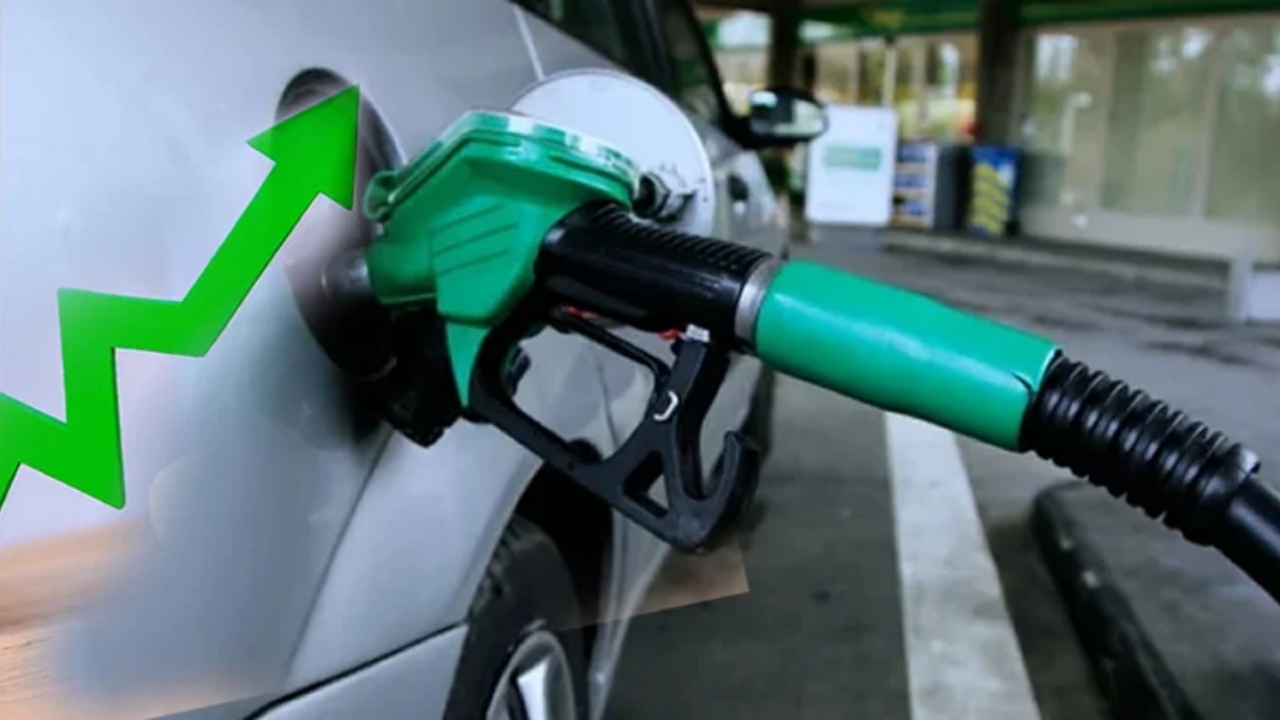
Escalating tensions in the Middle East and the ongoing US-Iran conflict have intensified the petrol price debate in Nigeria, with oil marketers and the Dangote Petroleum Refinery exchanging claims over the true cost of fuel.
Data released by the Major Energies Marketers Association of Nigeria indicated that imported petrol may currently be cheaper than fuel produced locally by the Dangote refinery.
According to the association, the landing cost of imported petrol stands at about N809.37 per litre, which is roughly N64 lower than the N874 per litre gantry price charged by the refinery.
The price adjustment came after global crude oil prices surged above $84 per barrel, up from below $70 just days earlier.
The increase followed escalating geopolitical tensions involving the United States, Iran, Israel and other countries.
As a result, petrol prices across Nigeria rose sharply, with some filling stations selling fuel for as high as N937 per litre, depending on location.
Earlier in the week, pump prices had ranged between N812 and N839 per litre before the Middle East crisis intensified.
However, officials of the Dangote refinery rejected the marketers’ claims, insisting that some importers were pushing a misleading narrative to justify continued fuel importation.
According to refinery sources, relying on imports when Nigeria can refine fuel locally undermines national energy security and weakens domestic production capacity.
They also argued that the refinery has helped protect Nigeria from a potential fuel shortage during the current global supply disruptions.
Industry data supports the refinery’s growing influence. In January 2026, domestic refining—largely driven by Dangote—supplied about 40.1 million litres of petrol daily, representing 62 per cent of Nigeria’s total fuel supply.
Experts say the ongoing global crisis could push crude prices closer to $90 per barrel, potentially raising petrol prices in Nigeria to around N1,100 per litre if the trend continues.
Despite these concerns, analysts believe increased local refining capacity could help Nigeria reduce dependence on imported fuel, stabilize supply, and shield the economy from severe disruptions during international oil crises.