Nigeria and Angola have signed a visa exemption agreement for diplomatic and official/service passport holders, marking a significant step toward strengthening bilateral relations and enhancing diplomatic cooperation.
The agreement was signed on the sidelines of the 39th Ordinary Session of the Heads of State and Government of the African Union in Addis Ababa.
Key Highlights of the Nigeria–Angola Visa Exemption Deal
Visa-free travel for diplomatic and official/service passport holders
Strengthened Nigeria–Angola bilateral relations
Enhanced institutional and diplomatic cooperation
Reduced administrative barriers for official travel
Boosted policy coordination and joint initiatives
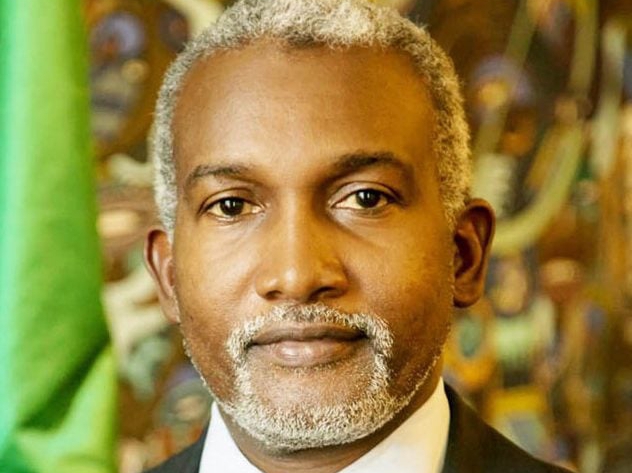
The Nigerian delegation was led by the Minister of Foreign Affairs, Yusuf Tuggar, while Angola’s team was headed by the Minister of International Relations, Tete Antonio.
Strengthening Nigeria–Angola Bilateral Relations
Speaking at the signing ceremony, Tuggar described the visa exemption agreement as a long-awaited milestone that will deepen cooperation between the two countries.
He said the agreement is aimed at strengthening diplomatic engagement and facilitating smoother official exchanges between Nigeria and Angola.
“The initiative has been long overdue and represents a timely step in strengthening bilateral engagement,” Tuggar stated.
According to him, the arrangement will allow holders of diplomatic and official passports to travel more freely, thereby promoting broader institutional collaboration, dialogue and partnerships.
Historical Ties: Nigeria’s Role in Angola’s Liberation
Tuggar also reflected on the historical relationship between both nations, highlighting Nigeria’s role during Angola’s liberation struggle.
He recalled the ideological conflict between the National Union for the Total Independence of Angola (UNITA) and the Popular Movement for the Liberation of Angola (MPLA), noting Nigeria’s diplomatic backing during that era.
The minister referenced the landmark speech, “Africa Has Come of Age,” delivered by former Head of State, Murtala Muhammed, as a defining moment that underscored Nigeria’s solidarity with Angola’s independence movement.
“The historic address represented a firm declaration of African independence in decision-making and demonstrated Nigeria’s solidarity with the people of Angola,” Tuggar said.
Angola Commends Nigeria’s Solidarity
In his remarks, Antonio expressed appreciation for Nigeria’s longstanding support during Africa’s anti-colonial struggles.
He described the newly signed visa exemption agreement as a practical and forward-looking milestone that will consolidate diplomatic ties and expand opportunities for official engagement.
“This legacy of solidarity laid the foundation for the robust bilateral relationship we enjoy today,” he noted.
What the Visa Exemption Means for Both Countries
According to Nigeria’s Ministry of Foreign Affairs, the agreement will:
Remove bureaucratic and administrative barriers to official travel
Strengthen policy coordination between both governments
Enhance collaboration among diplomatic and institutional bodies
Translate historical goodwill into sustained modern partnerships
The Nigeria–Angola visa exemption agreement signals a renewed commitment to diplomatic cooperation and deeper continental integration, reinforcing both countries’ shared vision within the African Union framework.