By Our Correspondent
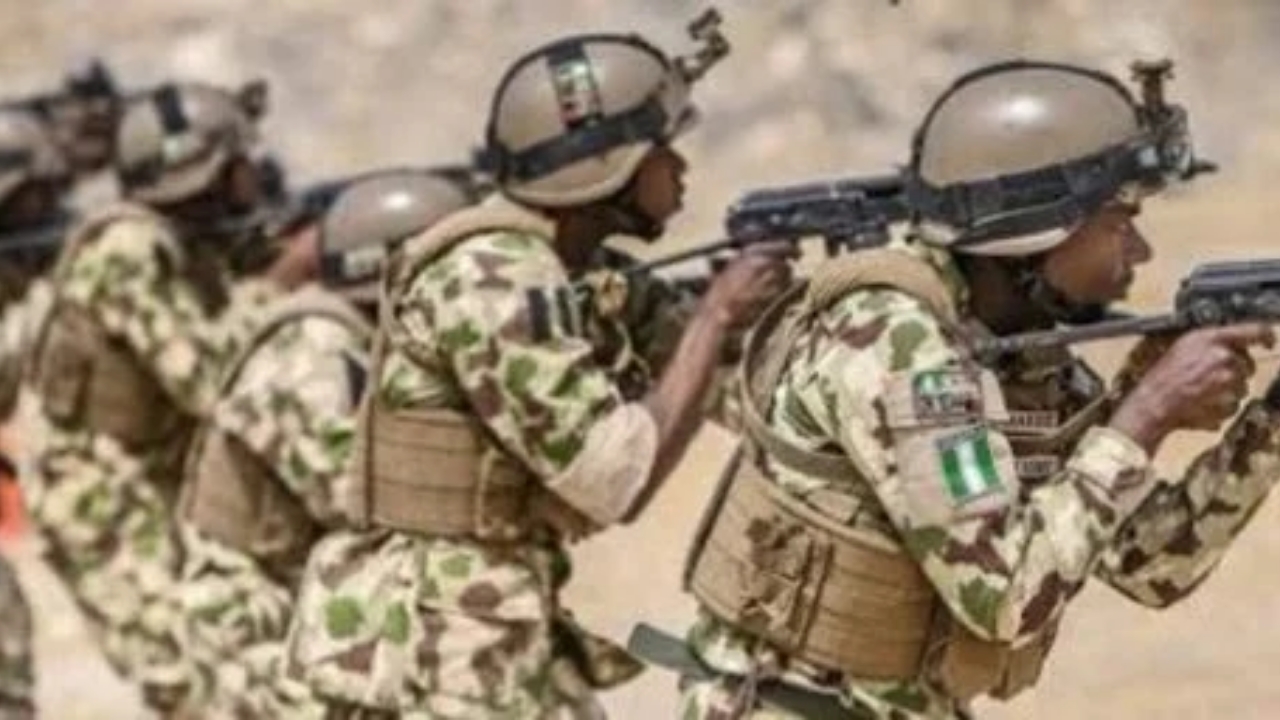
National News – Nigeria’s military and paramilitary agencies received ₦2.3 trillion in special intervention funding between October 2023 and September 2025 as the country continues to battle worsening insecurity, according to documents from the Federation Account Allocation Committee (FAAC).
The records from the Office of the Accountant-General of the Federation show that the funds were disbursed in 23 separate tranches of ₦100 billion each, channelled through a special intervention account created to support security operations across the country.
According to the documents, the programme began on October 19, 2023, when the account opened with a balance of ₦100 billion and immediately recorded its first transfer linked to the September 2023 allocation.
Payments were then released in phases, with each inflow of ₦100 billion followed by a corresponding disbursement to the military and other security agencies.
The intervention programme was executed in three phases.
The first phase, covering allocations from September 2023 to June 2024, consisted of 10 tranches totaling ₦1 trillion.
The second phase, spanning July 2024 to April 2025, also involved 10 tranches worth another ₦1 trillion.
A third phase followed in 2025 with three additional tranches totaling ₦300 billion, bringing the total intervention funding to ₦2.3 trillion.
The FAAC documents did not specify how the funds were distributed among the armed forces and paramilitary organisations or the specific operations and projects financed by the intervention.
Separate records also revealed that the Federal Government released ₦450 billion between April and June 2025 to cover non-regular allowances for military and paramilitary personnel.
The allowances were paid in three tranches of ₦150 billion each, drawn from non-oil revenue sources.
Additionally, another ₦40 billion security allocation was paid through the Office of the National Security Adviser in September 2025 as part of broader security funding.
Despite the scale of the spending, insecurity remains a major concern across Nigeria.
A February 2026 Business Expectations Survey by the Central Bank of Nigeria identified insecurity as the top constraint facing businesses, scoring 71.1 on the index, ahead of high taxes and poor electricity supply.
Meanwhile, renewed violence in Plateau State and Kaduna State has triggered public outrage.
In Jos, gunmen attacked residents in Angwan Rukuba, leaving multiple casualties, while suspected bandits killed several people and abducted others during a wedding gathering in Kagarko Local Government Area of Kaduna State.
The attacks have intensified concerns that Nigeria’s worsening security crisis persists despite massive government spending on defence and security operations.