The House of Representatives Public Accounts Committee has directed the Offices of the Accountant-General of the Federation and the Auditor-General for the Federation to submit the consolidated financial statements and audited accounts of the Federal Government (FG) for 2023, 2024 and 2025 before October 2026.
The directive followed an investigative hearing at the National Assembly focused on persistent delays in public financial reporting, weak fiscal oversight, and concerns over Nigeria’s public financial management system.
Committee Flags Delays, Cites Fiscal Responsibility Act
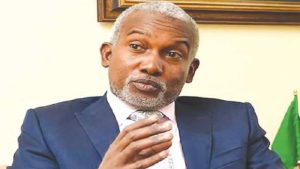
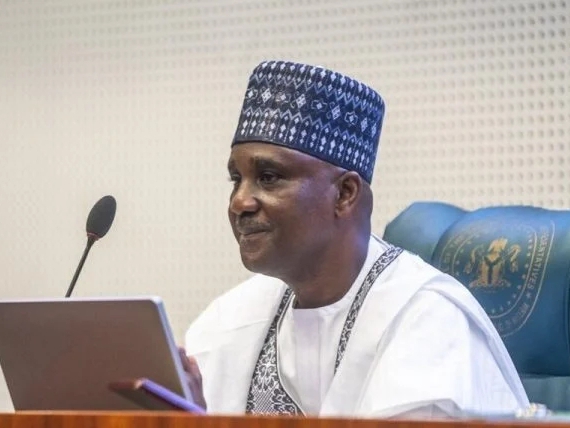
Chairman of the Committee, Bamidele Salam, criticised what he described as a pattern of non-compliance with statutory reporting obligations by the Office of the Accountant-General.
He referenced the Fiscal Responsibility Act, which mandates the Federal Government to publish audited and consolidated financial statements no later than six months after the end of each financial year.
According to Salam, the continuous delay in publishing audited accounts:
Undermines fiscal discipline
Weakens institutional credibility
Erodes investor confidence
Limits Nigeria’s ability to attract foreign direct investment
He stressed that timely financial reporting is critical for transparency, accountability, and prudent management of public funds.
N9.8bn GIFMIS Payment Under Scrutiny
Lawmakers also questioned the payment of N9.8 billion in 2024 to vendors of the Government Integrated Financial Management Information System (GIFMIS).
The committee observed that despite renewed contracts, the system has not effectively delivered on its core mandate of:
Accurate reconciliation of government accounts
Timely consolidation of financial data
Improved transparency in public spending
Committee members demanded explanations for the significant expenditure, noting that financial reconciliation processes remain outdated.
Accountant-General’s Office Blames CBN, Technical Challenges
Representing the Accountant-General, Shuaibu Sikiru, Acting Director of Consolidated Accounts, attributed the delay in preparing up-to-date financial statements to operational and institutional challenges.
He cited:
Failure of the Central Bank of Nigeria to provide complete bank statements for Ministries, Departments and Agencies (MDAs)
Technical and operational limitations of the GIFMIS platform
Sikiru revealed that the last comprehensive reconciliation of government accounts was conducted in 2022.
He also explained that the engagement of Remita as a payment gateway under the Treasury Single Account arrangement occurred without adequate coordination with the Accountant-General’s office, resulting in fragmented financial data management.
Auditor-General Highlights Constitutional Gaps
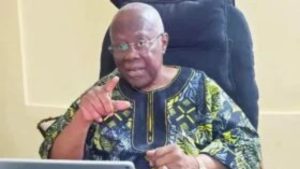
The Auditor-General for the Federation, Shaakaa Chira, pointed to structural weaknesses in the legal framework governing financial reporting timelines.
He noted that the Constitution of Nigeria does not specify a deadline for the Accountant-General to submit financial statements, complicating timely auditing.
According to Chira:
Constitutional and administrative gaps have contributed to reporting delays
Audit reports covering 2022–2025 are being finalised
Efforts are ongoing to clear backlogs and restore compliance
Impact on National Assembly Oversight and Budget Process
Financial experts have long warned that delayed submission of audited financial statements weakens legislative oversight and compromises budget deliberations.
Without up-to-date audited accounts:
The National Assembly lacks a full picture of government finances
Fiscal accountability is reduced
Transparency in public expenditure is weakened
Analysts attribute the backlog to:
Weak inter-agency coordination
Incomplete financial data from MDAs
Capacity constraints within audit institutions
Ambiguities in constitutional provisions
Lawmakers Threaten Sanctions Over Non-Compliance
Ruling after the hearing, the Committee directed both the Accountant-General and the Auditor-General to submit all outstanding financial statements and audit reports before October 2026.
Lawmakers warned that failure to comply with the directive would attract legislative sanctions.
The Salam-led Committee reaffirmed its commitment to strengthening fiscal transparency, improving public financial management, and restoring public confidence in Nigeria’s government finances.