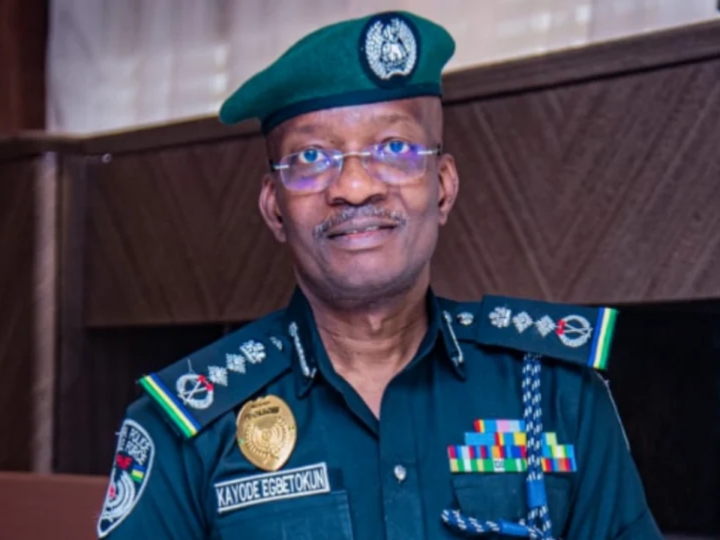
The Presidency has officially confirmed the resignation of Kayode Egbetokun as Nigeria’s Inspector-General of Police (IGP), citing personal and family reasons requiring his full attention.
According to the Special Adviser to the President on Information and Strategy, Bayo Onanuga, the former police chief submitted a resignation letter on Monday, explaining that family issues necessitated his decision to step down.
However, credible sources within the Presidential Villa disclosed that Egbetokun was summoned to a private meeting with Bola Tinubu before his resignation.
The meeting reportedly took place at the State House, Abuja, amid rising concerns over Nigeria’s worsening security situation.
Mounting Security Challenges in Nigeria
Egbetokun’s resignation follows intense criticism over persistent insecurity, including kidnappings, banditry, and terrorist attacks across multiple states.
Recent high-profile incidents — such as the abduction of nearly 300 students in Niger State and deadly attacks in Kwara communities — intensified pressure on the police leadership.
During an interfaith Iftar with governors on Monday, President Tinubu reaffirmed his administration’s commitment to tackling insecurity, emphasizing that security remains the foundation of economic growth and national stability.
He reiterated plans to establish state police as part of broader security reforms.
Egbetokun’s Tenure as IGP
Appointed on June 19, 2023, Egbetokun previously served as Deputy Inspector-General in charge of the Force Criminal Investigations Department. He succeeded Usman Alkali Baba after the expiration of the latter’s tenure.
His resignation marks a significant development in Nigeria’s security landscape, signaling possible structural changes within the police force as the Federal Government moves to address ongoing security threats nationwide.
The coming days are expected to clarify the next steps in the leadership of the Nigeria Police Force and the implementation of proposed security reforms.