By Our Correspondent
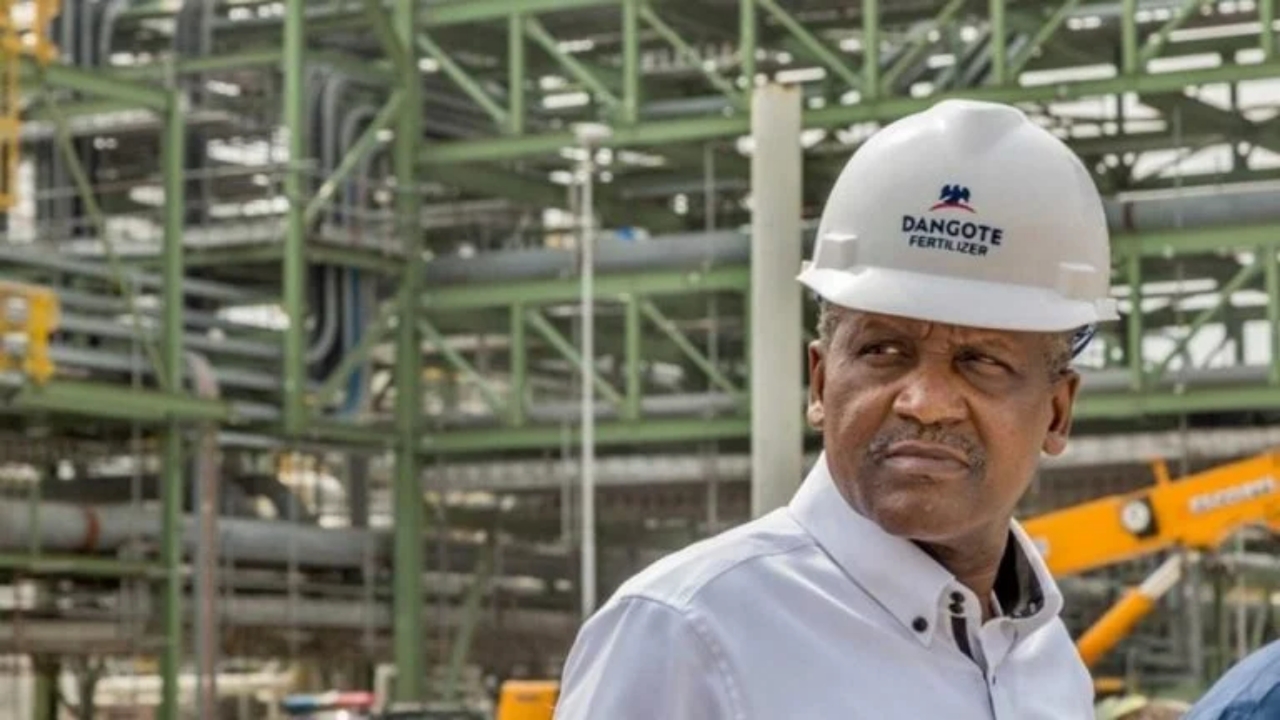
National News – The Dangote Petroleum Refinery has reduced its petrol gantry price by N25 per litre, lowering the cost from N1,275 to N1,250 per litre.
The price adjustment was confirmed on Saturday by a senior official of the refinery who attributed the reduction to the recent decline in global crude oil prices.
The refinery, owned by the Dangote Group, announced the new pricing structure as marketers and depot operators continue to respond to changing conditions in the international oil market.
According to the official, the decrease became necessary due to the drop in crude oil prices, although market volatility remains a concern.
The development is expected to have a significant impact on Nigeria’s downstream petroleum sector, particularly for fuel marketers sourcing products directly from the refinery.
Industry stakeholders anticipate that the reduction could influence fuel distribution costs and potentially affect retail pump prices across the country.
Recent data from petroleum market trackers showed that major depots, including Aiteo and NIPCO, had been selling petrol at about N1,272 per litre, while Integrated Energy, Ascon, and African Terminal traded around N1,274 per litre.
These prices were slightly below Dangote Refinery’s previous gantry rate of N1,275 per litre.
Petrol prices in Nigeria have witnessed sharp increases in recent months, rising from approximately N830 per litre to around N1,300 per litre in several locations nationwide.
The surge was largely driven by higher crude oil prices and market forces affecting petroleum product supply and distribution.
Diesel and aviation fuel prices have also increased during the same period, creating additional pressure on businesses, transport operators, and consumers.
Analysts believe the latest reduction by Dangote Refinery could provide some relief if the trend in global oil prices remains stable.
The refinery’s decision highlights how international crude oil market movements continue to influence domestic fuel prices in Nigeria and shape the country’s energy sector.