By Daruba Farouk | National News
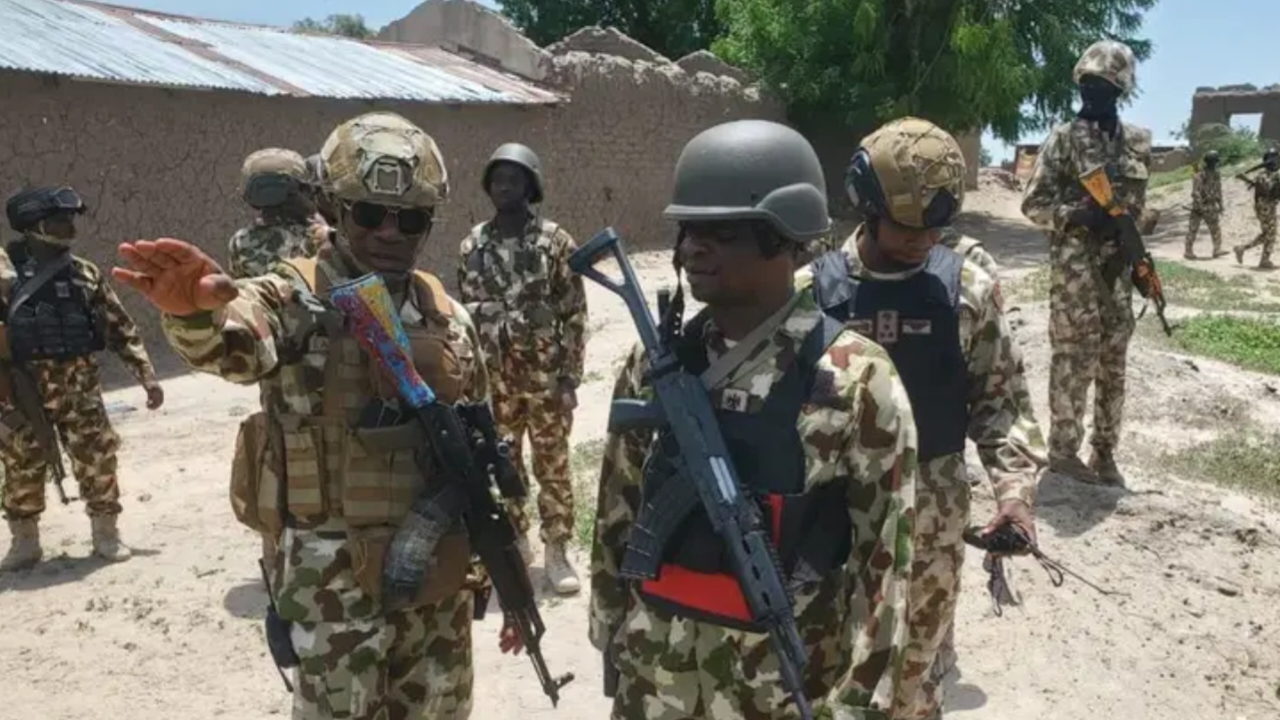
Security forces have rescued a total of 315 kidnapped Nigerians in coordinated operations carried out across Kwara, Niger and Ogun states within the last 24 hours, marking one of the country’s largest recent rescue efforts.
The rescued victims include 308 people freed from terrorist captivity in the forests spanning Kwara and Niger states, as well as seven students of Gateway ICT Polytechnic, Saapade, Ogun State, who were abducted last week.
According to available reports, the 308 victims comprise 163 residents from Kwara State and 145 from Niger State, many of them women, children and a breastfeeding mother. They were kidnapped during attacks on Woro community in Kaiama Local Government Area of Kwara State and neighbouring communities in Niger State on February 3 and 4, 2026.
The victims were rescued during a special military operation conducted in the Kainji Lake National Park after spending about six months in captivity.
The rescued persons are currently undergoing security screening and receiving medical attention at Wawa Cantonment in Borgu Local Government Area of Niger State. Military authorities are also providing temporary accommodation, food and medical care while arrangements are being made for their return to their communities.
Authorities have reportedly stationed buses at Sobi Cantonment in Ilorin to transport the Kwara victims home, while the affected state governments are coordinating the evacuation process.
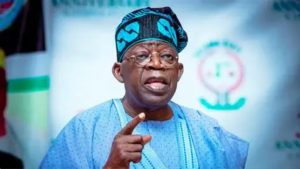
President Bola Tinubu commended the security personnel involved in the successful operation and directed relevant agencies to strengthen intelligence gathering, improve early-warning systems and enhance rapid-response capabilities to prevent future mass abductions.
Ogun Students Freed Without Ransom
Meanwhile, Ogun State Governor Dapo Abiodun confirmed the successful rescue of the seven students of Gateway ICT Polytechnic who were abducted on July 29, stressing that no ransom was paid for their release.
Speaking at the Governor’s Office in Abeokuta, Abiodun praised the coordinated efforts of the police, local hunters, vigilantes and other security stakeholders.
He disclosed that he requested aerial surveillance support from the Inspector-General of Police, Olatunji Disu, who promptly approved the deployment of a police helicopter to support ground operations.
According to the governor, five of the students were rescued during the first phase of the operation, while the remaining two were freed during a follow-up operation involving both aerial and ground forces. One of the victims, who sustained a gunshot wound, was immediately taken for medical treatment and has since been stabilised.
Abiodun also announced the arrest of two suspected kidnappers, adding that security agencies are pursuing other members of the criminal gang.
He reiterated his administration’s commitment to combating crime, warning that kidnappers, armed robbers, cultists and their collaborators would face the full weight of the law.
Experts Call for Improved Security Measures
Security analysts and civil society organisations welcomed the rescue operations but stressed the need for stronger preventive measures.
UK-based Nigerian academic Dr. Chinwike Oke-Nwosu called for improved intelligence gathering and better tracking of criminal communications to prevent future kidnappings.
Similarly, Okechukwu Nwagunma, Executive Director of the Rule of Law and Accountability Advocacy Centre (RULAAC), described the rescue as commendable but urged the government to invest more in intelligence-led policing, inter-agency collaboration and support services for rescued victims.
Retired Rear Admiral Dickson Olisemelogor said the successful operation reflected growing cooperation between local communities and security agencies, while serving military officers noted that sustained intelligence gathering and coordinated security operations were critical to disrupting terrorist activities and securing the release of kidnapped victims.