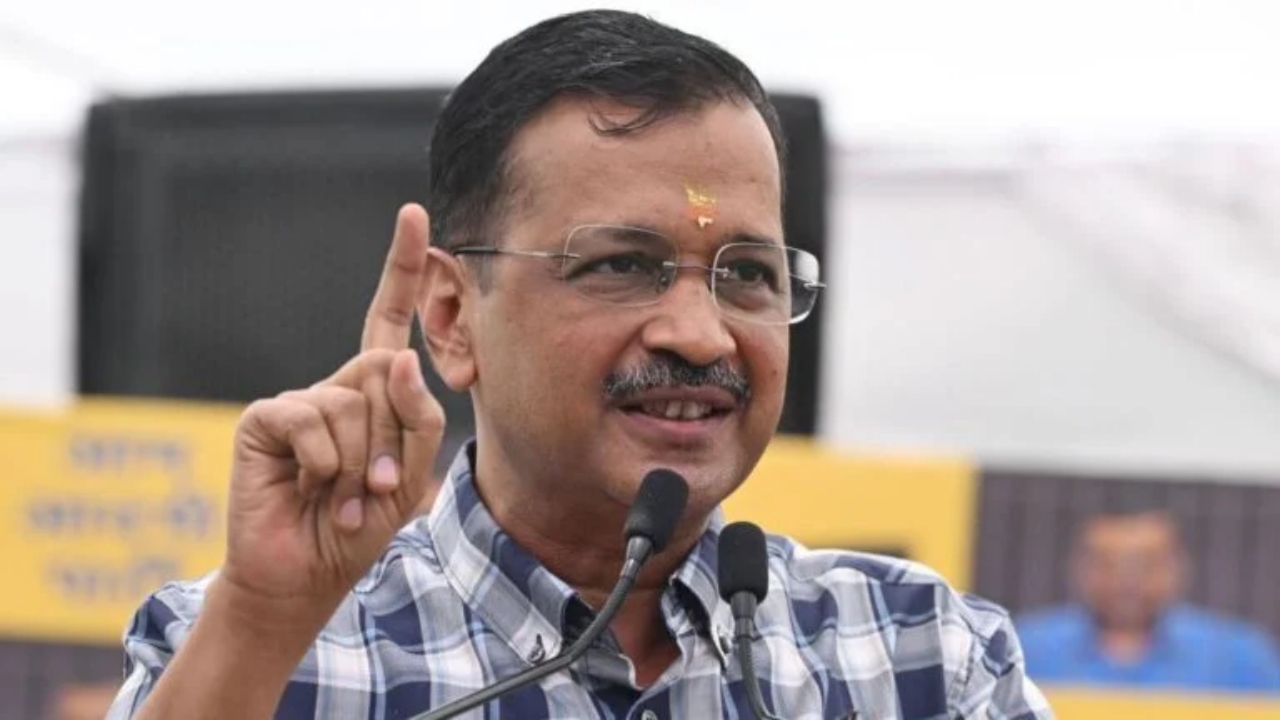
In a significant legal development, an Indian court has acquitted former Delhi Chief Minister Arvind Kejriwal in a long-running corruption case.
Kejriwal, who led the Aam Aadmi Party (AAP), had previously described the investigation as a “political conspiracy” orchestrated by the ruling Bharatiya Janata Party (BJP).
The 57-year-old politician, who spent several months in jail following his arrest in March 2024 over alleged kickbacks from liquor license allocations, was visibly emotional as he exited the courtroom.
“Truth has won,” Kejriwal told reporters, reiterating accusations that Prime Minister Narendra Modi and Home Minister Amit Shah sought to undermine his party through legal pressure.
Alongside Kejriwal, his former deputy Manish Sisodia and 21 other party members were also cleared of all charges.
The verdict marks a major legal and political milestone, especially as Kejriwal had lost the 2025 Delhi elections amid the ongoing judicial proceedings.
Following the court’s decision, Rekha Gupta, a BJP member, continues as Delhi’s chief minister, leading a megacity with a population exceeding 30 million.
Kejriwal, a former tax collector, gained national prominence as an anti-corruption activist before entering politics.
The case has highlighted ongoing tensions between India’s opposition parties and the ruling government.
In recent years, several of Modi’s critics have faced criminal probes, drawing criticism from political analysts who warn that such actions may threaten democratic safeguards.
In August 2025, a controversial bill was introduced to allow the removal of politicians who are arrested and detained for 30 days—a move opponents labeled as “chilling” for India’s constitutional protections.
The court’s verdict has already triggered discussions nationwide on political accountability, judicial independence, and the balance of power in India’s democracy.
Kejriwal’s acquittal is likely to influence upcoming political campaigns and opposition strategies.