
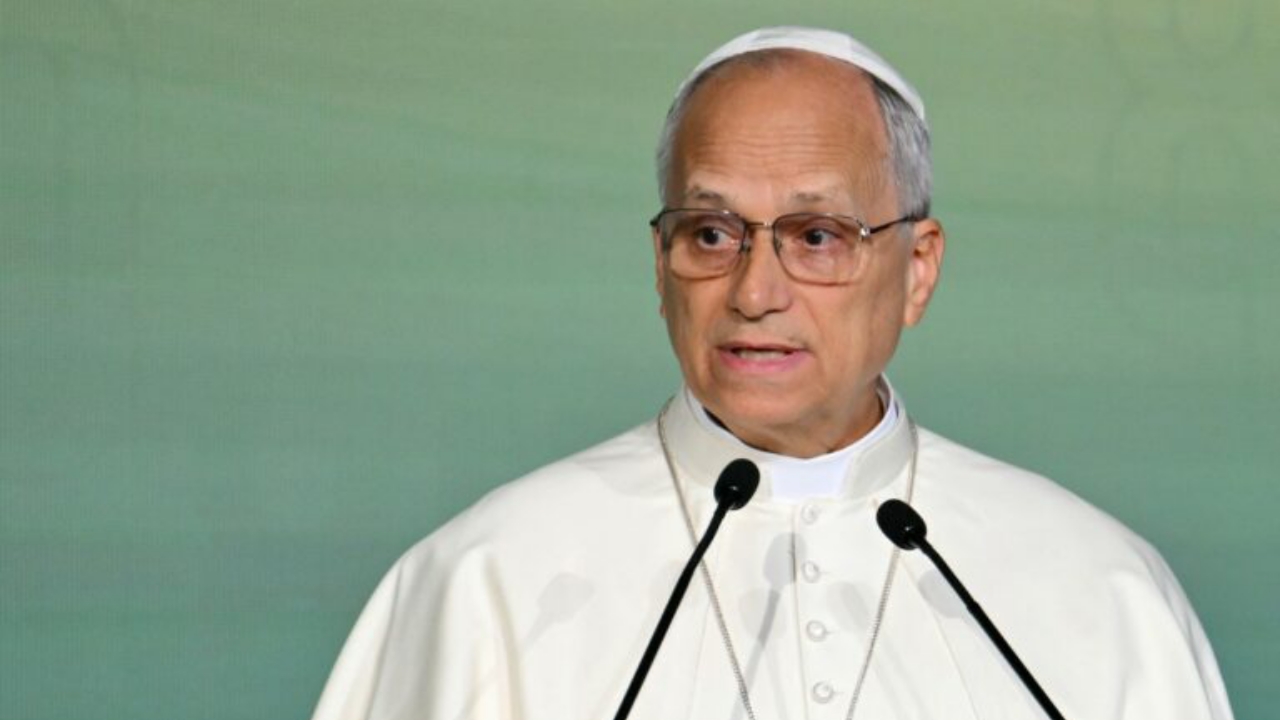
National News – A historic religious meeting is set to unfold in Rome this weekend as Sarah Mullally, the first female Archbishop of Canterbury, meets Pope Leo XIV at the Vatican.
The visit, beginning Saturday, marks Mullally’s first international trip since assuming leadership of the Church of England in March 2026.
The meeting aims to strengthen ties between the Anglican Communion and the Roman Catholic Church, continuing a reconciliation effort that dates back to the historic 1966 engagement following the English Reformation.
The significance lies not only in timing but symbolism.
Mullally’s leadership reflects evolving gender roles within Anglicanism, contrasting sharply with the Catholic Church’s long-standing opposition to female ordination.
Observers say the encounter could test how far both institutions are willing to bridge doctrinal divides, particularly on issues such as women’s leadership, same-sex unions, and clerical traditions.
In Nigeria, where Anglican and Catholic communities are both influential, reactions are mixed.
Some clergy view the meeting as a welcome step toward Christian unity, especially amid global crises like migration and poverty.
Others remain cautious, noting deep-rooted theological differences that may limit tangible outcomes.
A Lagos-based priest described the meeting as “symbolically powerful, but unlikely to shift doctrine overnight.”
Analysts argue that beyond theology, both leaders face similar internal pressures—balancing conservative and progressive factions while addressing declining youth engagement and lingering abuse scandals.
Mullally’s appointment itself stirred controversy within parts of the Anglican Communion, particularly in Africa, where traditional views on gender and sexuality remain strong.
The meeting also carries diplomatic undertones. Both leaders have recently emphasized peace advocacy, including calls to end ongoing conflicts in the Middle East.
Their dialogue could therefore extend beyond church matters into broader humanitarian cooperation.
Ultimately, while no immediate policy changes are expected, the Rome encounter represents a cautious but meaningful step toward deeper dialogue.
Whether it leads to lasting unity or simply reinforces differences will depend on how both leaders navigate sensitive issues in the months ahead.