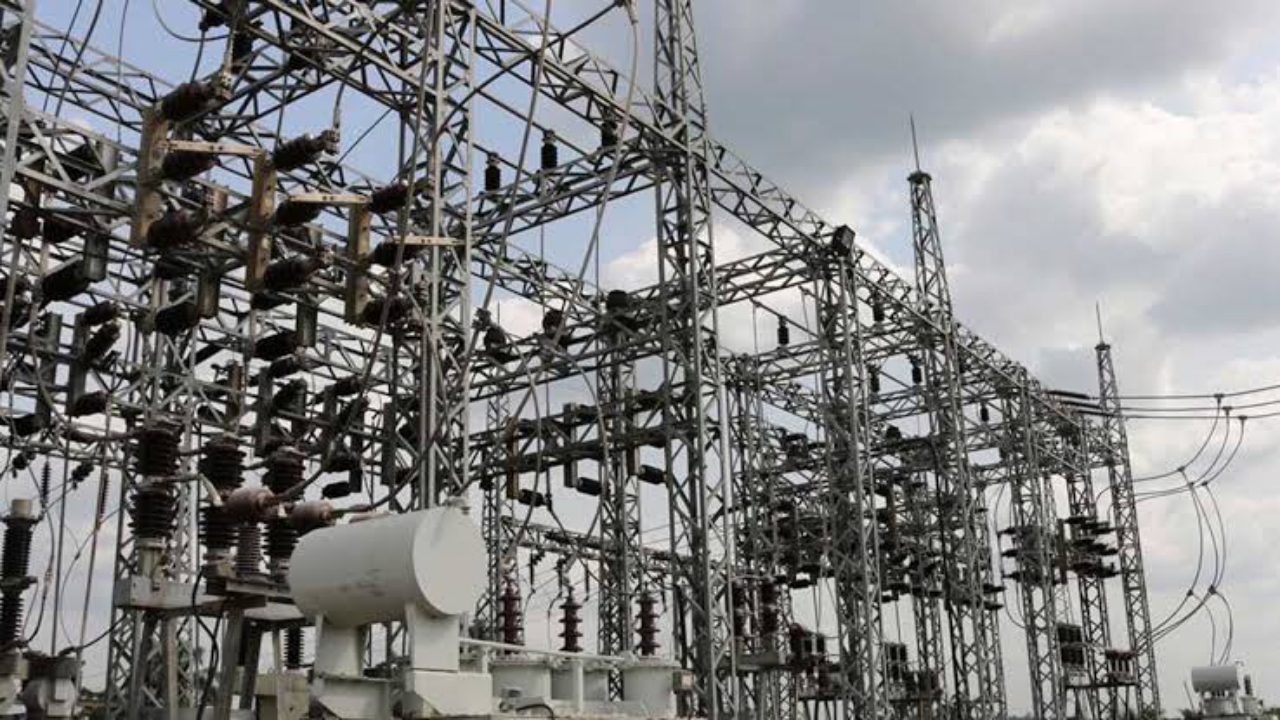
National electricity transmission lines and grid infrastructure in Nigeria amid reduced power generation due to gas supply shortage.
Nigeria’s electricity generation has dropped sharply to an average of 4,300 megawatts (MW) following a 57 per cent shortfall in gas supply to thermal power plants, according to the Nigerian Independent System Operator (NISO).
The system operator attributed the nationwide power outages to severe gas constraints affecting thermal generating stations, which account for over 70 per cent of Nigeria’s grid electricity supply.
Gas Supply Crisis Hits Thermal Power Plants
In an operational update, NISO revealed that thermal plants require about 1,629.75 million standard cubic feet (mmscf) of gas daily to operate at optimal capacity.
However, as of February 23, actual supply stood at just 692.00 mmscf — less than 43 per cent of required volume.
The disruption began in early February following scheduled maintenance on critical gas infrastructure by the Nigerian National Petroleum Company Limited and Seplat Energy, temporarily limiting gas deliveries to several power plants.
Because gas-fired stations form the backbone of the national grid, the shortage has significantly reduced available generation capacity, forcing NISO to implement load shedding nationwide to stabilise the system.
National Grid Under Pressure
When generation falls below demand, the operator must ration electricity across distribution companies in line with regulatory allocation formulas to prevent system collapse. With national peak demand estimated above 20,000MW, the current 4,300MW output highlights a massive supply gap.
Industry challenges including pipeline constraints, legacy debts, foreign exchange pressures, and liquidity issues within the electricity value chain continue to worsen gas availability.
Despite ongoing power sector reforms and the separation of system operations from the Transmission Company of Nigeria, generation remains heavily dependent on stable and commercially viable gas supply.
Until gas flows improve, electricity consumers and businesses across Nigeria are likely to face continued power outages and energy rationing.