By Our Correspondent
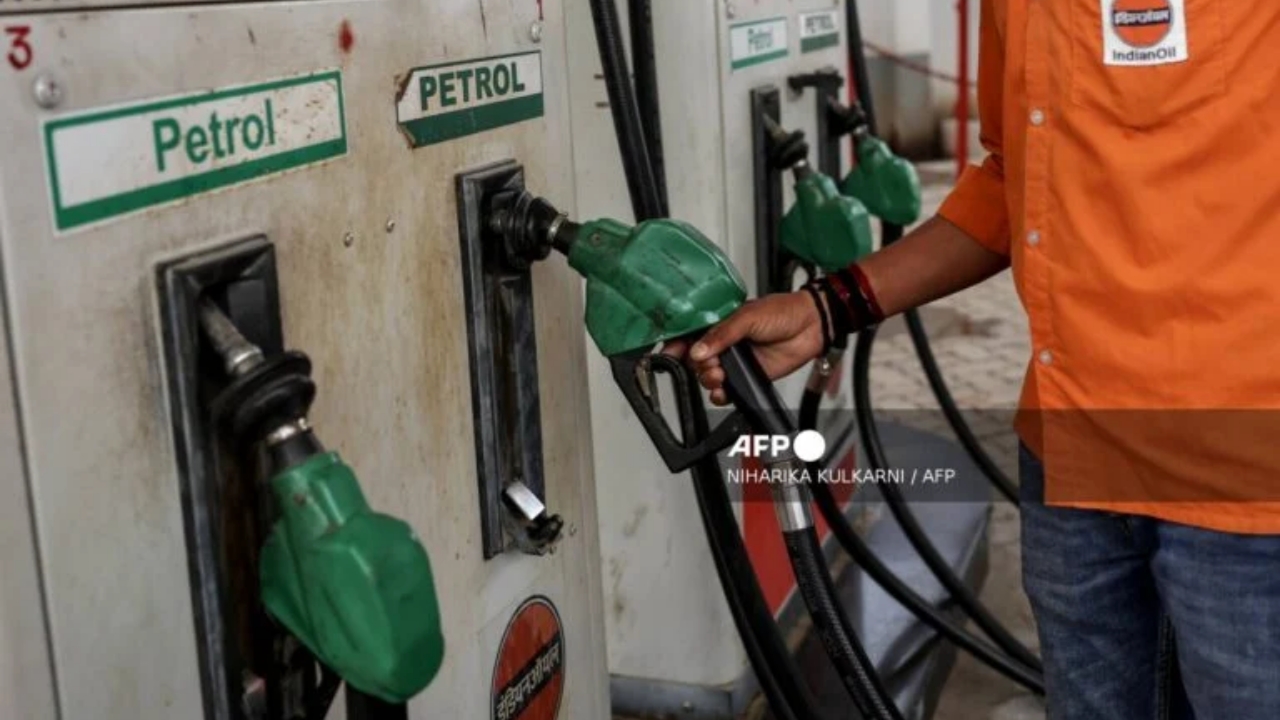
National News – Petrol prices in Vietnam jumped sharply on Friday after the government announced a sudden increase of more than 20 percent, citing fears of fuel shortages linked to the ongoing tensions in the Middle East.
The decision has sparked concerns among businesses and commuters as global oil supply disruptions continue to ripple through Asian economies.
Authorities confirmed that the price of 95-octane gasoline rose to about 30,690 Vietnamese dong ($1.20) per litre shortly after midnight on Thursday.
Diesel prices also surged dramatically, climbing nearly 34 percent to around 33,420 dong per litre.
Officials explained that the adjustment was necessary as global fuel costs soared due to escalating geopolitical tensions and disruptions to major energy supply routes.
According to the country’s trade ministry, the ongoing conflict involving Iran and tensions affecting the Strait of Hormuz have played a significant role in driving international oil prices higher.
The ministry also pointed to the continuing Russia‑Ukraine War as another factor straining global energy markets.
Government data shows that since the crisis began in late February, fuel prices in Vietnam’s industrial sector have increased by more than 50 percent for petrol and over 70 percent for diesel.
Analysts warn that the sudden spike could impact transportation, manufacturing, and the cost of goods across the country.
Prime Ministerial officials have reportedly initiated urgent talks with several energy-producing nations, including Qatar, Kuwait, Algeria, and Japan, seeking emergency fuel supplies to stabilise domestic energy reserves.
Meanwhile, the national aviation authority has cautioned that domestic flights may be reduced if fuel availability tightens further.
However, state officials have reassured the public that existing oil and gas reserves are expected to meet domestic demand until the end of April.
The fuel shock has already begun affecting daily life in the capital, Hanoi. Some residents say traffic appears lighter as many commuters are switching to public transport to cope with rising costs.
Across Southeast Asia, neighbouring countries are also feeling the pressure, with petrol prices rising sharply in Myanmar and Thailand this week.
Economic observers warn that if global tensions persist, fuel price volatility could continue to disrupt regional markets and strain household budgets.