By Our Correspondent
National News – The United Nations General Assembly on Wednesday officially recognised the transatlantic slave trade as the “gravest crime against humanity,” adopting a resolution aimed at advancing global calls for justice and reparations for Africans and their descendants.
The decision was taken during a vote at the UN headquarters in New York City on March 25, 2026, following a proposal submitted by the government of Ghana.
The resolution was approved by 123 member states, while the United States, Israel and Argentina voted against it, and 52 countries, including the United Kingdom and members of the European Union, abstained.
The resolution urges countries worldwide to acknowledge the historical injustice of slavery, issue formal apologies where appropriate, and consider contributing to a global reparations fund.
However, it does not specify a fixed financial amount or binding legal obligations.
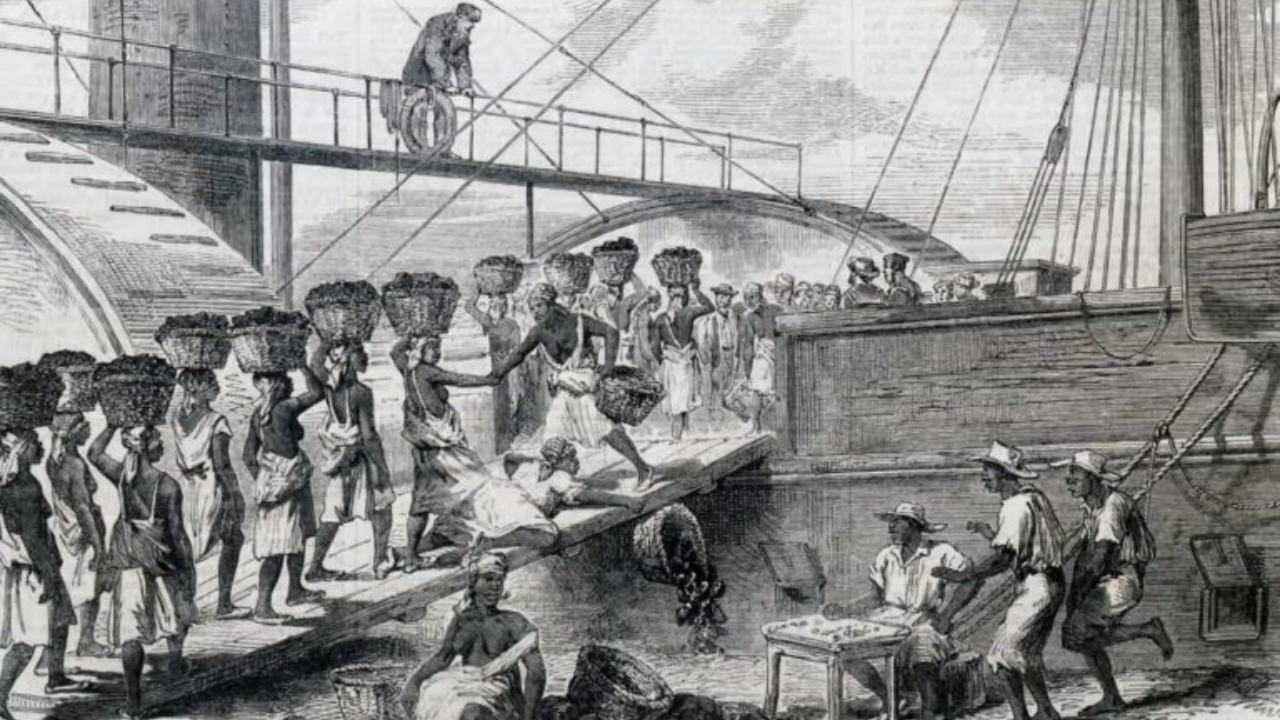
The measure was introduced to ensure that the suffering of millions of Africans who were forcibly taken across the Atlantic between the 15th and 19th centuries is recognised and remembered.
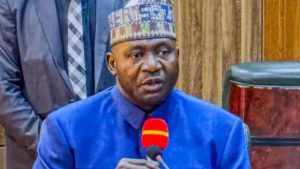
Ahead of the vote, Ghana’s President, John Mahama, said the resolution was meant to honour victims of slavery and confront the enduring consequences of the trade.
According to him, the decision represents a commitment by the international community to preserve the memory of those affected and address the lingering effects of racial discrimination and inequality.
Also speaking on the resolution, Ghana’s Foreign Affairs Minister, Samuel Okudzeto Ablakwa, clarified that African leaders were not seeking personal financial gains but justice for the victims.
He explained that any reparations should support development initiatives such as education, skills training and cultural preservation programmes for people of African descent.
Data from the United Nations estimates that more than 15 million men, women and children were victims of the transatlantic slave trade.
Research by Royal Museums Greenwich indicates that about 450,000 of the 3.4 million Africans transported on British ships died during the brutal Atlantic crossing.
Despite its symbolic importance, the UN resolution is not legally binding.
Still, supporters say it strengthens global recognition of the lasting economic and social impacts of slavery while encouraging dialogue on reparatory justice and the return of looted cultural artefacts from the colonial era.