By Our Correspondent
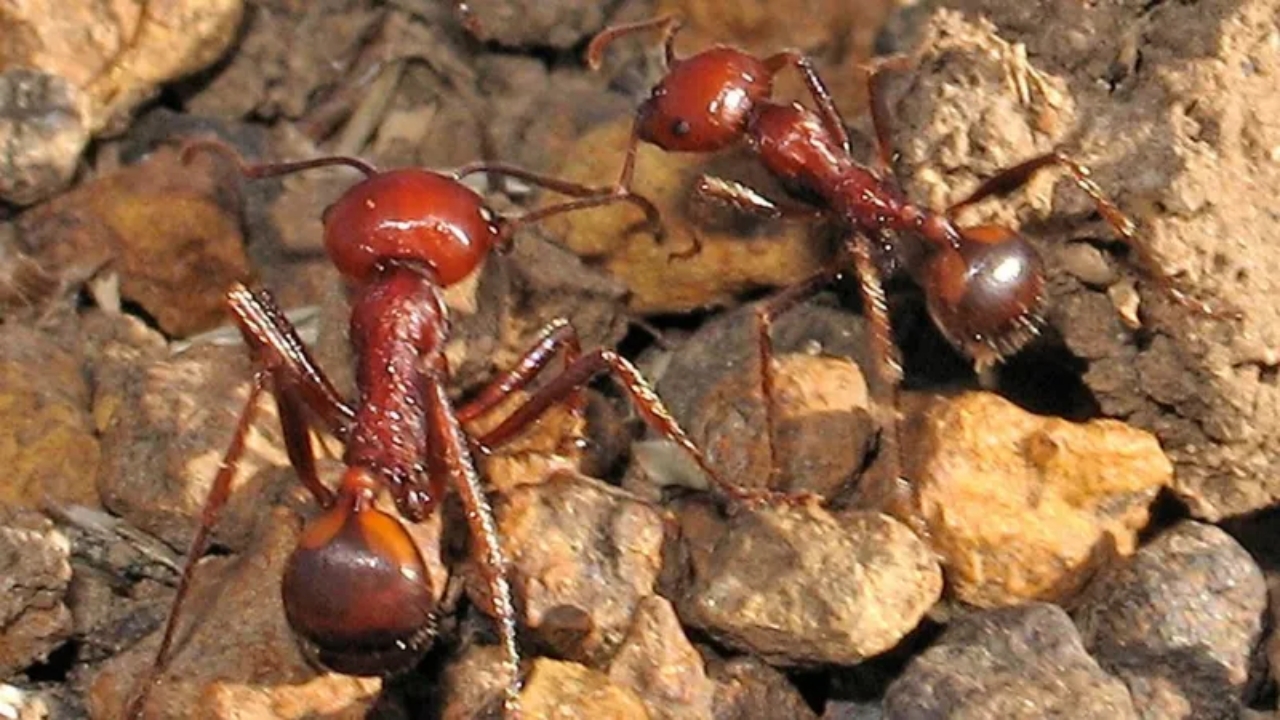
National News – During Kenya’s rainy season, giant African harvester ants take flight, sparking a booming illegal trade in these striking red insects.
Swarms leave thousands of anthills around Gilgil, in the Rift Valley, as winged males mate with queens who then venture out to start new colonies.
Fertilised queens, prized by international collectors, can fetch up to $220 each on the black market, as a single queen can establish a colony and live for decades.
The illicit ant trade in Kenya has drawn global attention, with 5,000 queen ants seized last year at a guest house in Naivasha.
Foreign nationals from Belgium, Vietnam, and Kenya had packed the insects in test tubes with moist cotton to keep them alive for two months.
Arrests, convictions, and fines followed, yet experts warn that only a fraction of trafficked ants are being detected.
Recently, authorities arrested a Chinese national at Nairobi’s Jomo Kenyatta International Airport with 2,000 queens destined for Asia.
Entomologists, including Kenya’s Dino Martins, emphasize the ecological impact. Harvester ants are keystone species, dispersing seeds and maintaining healthy grasslands.
Unsustainable harvesting, especially of queen ants, risks colony collapse and biodiversity loss.
Meanwhile, researchers in China highlight the threat of invasive ants establishing themselves if traded colonies escape, potentially disrupting agriculture.
Legal collection in Kenya is possible under permits that ensure benefit-sharing with local communities. However, such permits are rarely applied for.
Conservationists advocate for international trade protections under CITES, yet no ant species are currently listed.
Meanwhile, experts see untapped potential: with regulation, ant farming could generate jobs and revenue, transforming a once-underground trade into a sustainable wildlife economy.
With careful monitoring, future farmers in Gilgil could legally cultivate queen ants alongside crops, balancing global hobbyist demand with ecological preservation.
But debates continue over the environmental risks of exporting these remarkable insects.