By Our Correspondent
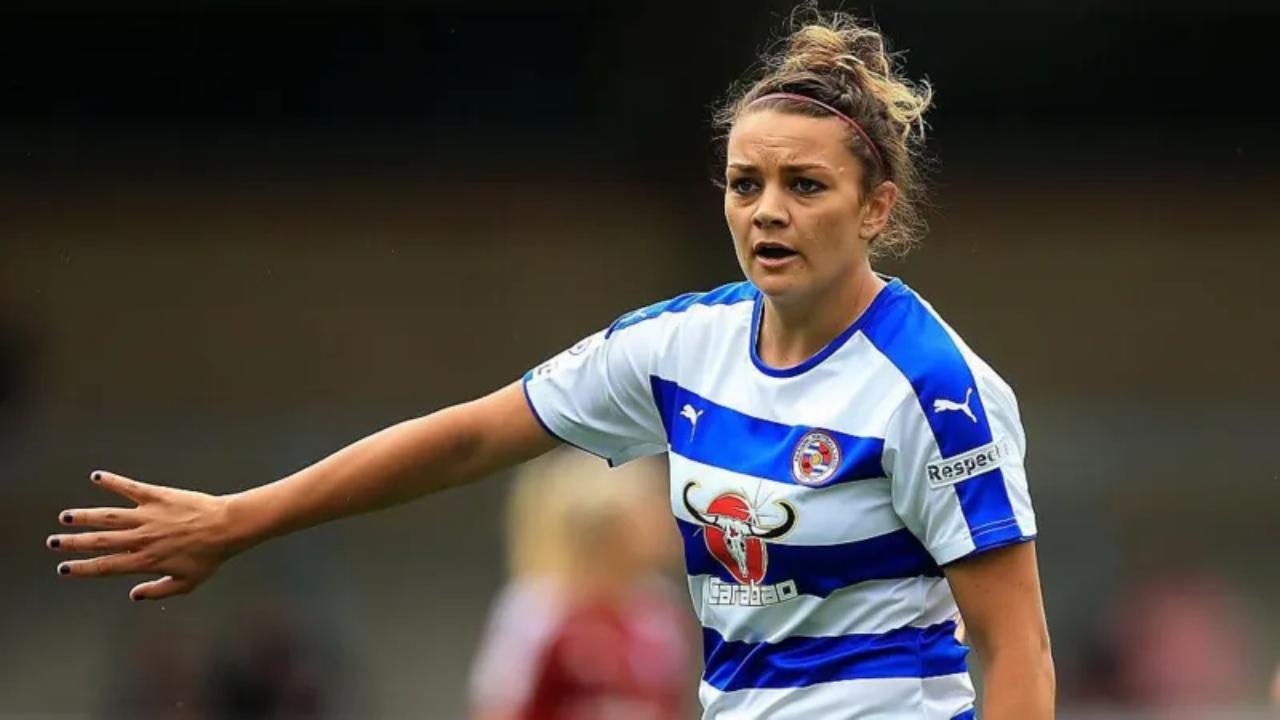
National News – Football fans have rallied in support of former Wales international Nia Jones after she faced sexist abuse online while co-commentating on Wales’ World Cup play-off semi-final defeat to Bosnia-Herzegovina in Cardiff.
The backlash began on Thursday after Jones appeared alongside commentator Simon Davies on BBC Wales coverage of the match.
A social media user criticised her participation, asking why she “can’t just do the women’s football,” sparking a heated debate online.
The incident has since drawn widespread reactions, with many supporters condemning the sexist remarks and defending Jones’ role in football broadcasting.
The controversy unfolded in a Facebook group dedicated to Wales football fans shortly after the match ended in a penalty shootout loss for Wales.
The original post quickly attracted more than 100 responses. While a few users echoed the criticism, the majority defended Jones, calling out misogyny and urging respect for female analysts in sports media.
One supporter told the poster to “grow up,” while others argued that women have every right to contribute expert analysis in men’s football coverage.
Jones, who is from Wrexham, has a long and respected sporting career. She earned 30 caps for the Wales women’s football team and represented the national side in netball 70 times.
She also captained Wales at the 2023 Netball World Cup in South Africa. During her football career, she played for clubs including Cardiff City, Reading and Yeovil Town.
After retiring from professional netball in August 2024, she continued her football journey with Swansea City Women before leaving the club in 2025.
Since transitioning into media, Jones has become a familiar voice in football broadcasting.
She regularly provides expert analysis for BBC, Sky Sports and Welsh-language broadcaster S4C, often offering tactical insights during Wales men’s matches.
The incident highlights ongoing concerns about sexism in football media. Female pundits and commentators have long faced online harassment despite their professional achievements.
Supporters say the overwhelming defence of Jones shows a growing pushback against misogyny in sports commentary and a broader demand for respect and equality in football coverage.