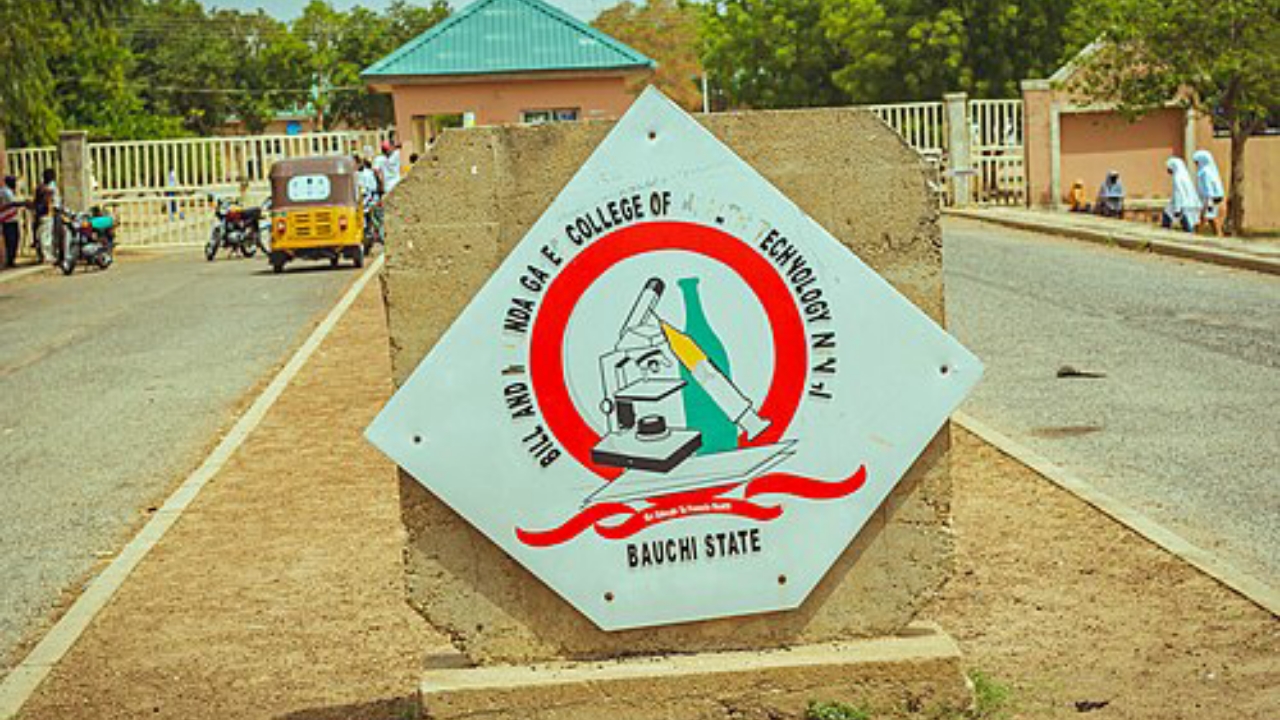
National News – The Bauchi State House of Assembly has intensified scrutiny of the Bill and Melinda Gates College of Health Technology in Ningi after a destructive fire and troubling revelations about the institution’s internal operations.
The directive, backed by Speaker Abubakar Suleiman, follows mounting pressure from the public and a detailed committee review that paints a picture of both security lapses and administrative breakdown.
Investigators believe the blaze may not have been accidental, citing suspicious materials reportedly found at the scene.
Yet, despite earlier arrests, no one has been successfully prosecuted—fueling doubts about accountability.
What has drawn even greater concern is the extent of dysfunction within the college.
Lawmakers described a system weakened by internal disputes among management, inadequate oversight, and a fragile security structure that left facilities exposed.
The fallout extends beyond the fire, pointing to a broader governance crisis.
Financial practices within the consultancy unit also came under fire, with allegations of poor record-keeping, untracked revenue, and unpaid part-time lecturers.
Over-admission of students—far exceeding the institution’s carrying capacity—has further strained infrastructure and academic quality.
In Bauchi, reactions reflect both frustration and cautious optimism.
Some community members see the probe as a necessary intervention after years of neglect, while others doubt whether meaningful change will follow without firm action against those implicated.
The stakes remain high. As a critical institution for training healthcare personnel in the region, any prolonged decline in standards could have far-reaching consequences for public health delivery.
The Assembly’s recommendations—including leadership restructuring, financial audits, and stronger security—suggest a roadmap for recovery.
However, observers insist that implementation will be the true test.
Without sustained oversight and decisive enforcement, the reforms risk becoming another set of unfulfilled promises, leaving the institution’s future uncertain.